Rodent proofing
The Gaps Found in Colindale Flats
New flats are built with far fewer openings than old houses, so the ones that matter are easy to list. Nearly all of them are where something passes through a wall, floor or ceiling. The most common entry points gives the general picture; in a modern block they come down to these.
Pipe entries behind the kitchen units
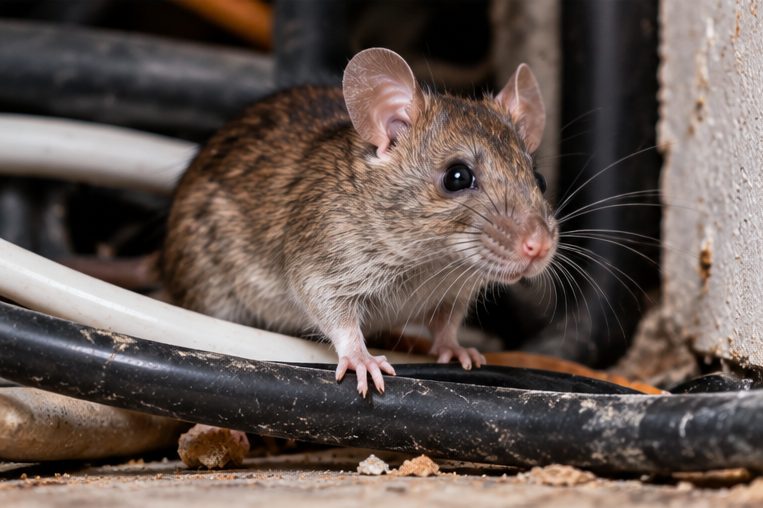
The supply pipes, waste pipe and appliance connections enter behind the kickboards, often through a hole cut much larger than the pipe. It is the gap most likely to be in use, and it is inside your flat. Stopping mice getting behind kitchen units explains why this space matters so much.
The utility cupboard and bathroom boxing
Pipework to the hot water cylinder or heat interface unit, and the pipes hidden behind bathroom boxing, pass through walls that back onto service routes. Where the boxing has an access panel, the gap around the pipe behind it can often be reached and sealed.
Terrace doors and ground-floor thresholds
Ground-floor flats with a terrace have an outside door at garden level. A worn threshold seal or a gap at the foot of the frame is a direct route in from the courtyard planting.
Who Can Authorise Work on the Building
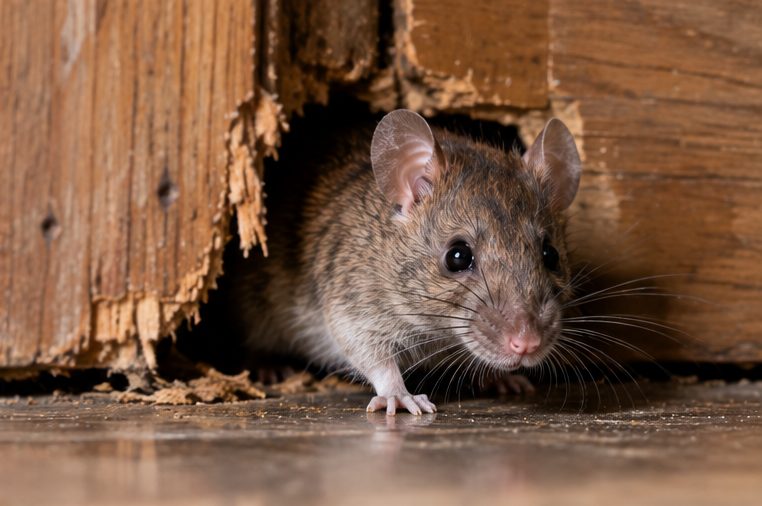
This is the part that is different in a block. Inside your own flat, sealing a small gap around a pipe is normally something a leaseholder can arrange, but your lease has the final word, so check it if you are unsure. If you rent, ask your landlord before anything is done.
- Gaps inside riser cupboards, communal ducts, bin stores and car parks are part of the building, and the managing agent arranges work there
- Fire-stopping around services is a safety matter; gaps in it should be reported to the managing agent rather than filled by anyone else
- In a recently completed block, missing seals around services may belong on the developer's snagging or defects list
- External walls, cladding and roof areas are for the freeholder and their contractors
Proofing inside your flat is still worth doing while those bigger items are sorted out, because it closes your end of the route. Keep a note of what you reported and when, with photos, so the managing agent or developer can see exactly where the gap is.
What the Hour Covers
The service is up to one hour of work on small holes and gaps that can be reached. In a Colindale flat that might be the pipe entries behind the kitchen units, the gaps in the utility cupboard and a terrace door threshold, depending on how many there are and how easy they are to get at. Rebuilding boxing, replacing a door or any work to communal parts is outside it, and you will be told so.
Treat First, Then Proof

Sealing a hole that mice are still using can shut them inside the boxing or the space behind the units. Book mouse control or rat control first, then proofing once activity has stopped. Before or after treatment explains the order.
Booking Proofing in NW9
When you book rodent proofing, say whether it was mice or rats, when treatment finished, which floor you are on and where you think they were getting in. Take the kickboards off if you can, and clear the utility cupboard. Afterwards you will hear which gaps were sealed and what, if anything, needs raising with the managing agent. Proofing pipe and utility gaps has more detail, and Rodent Proofing Barnet covers the gaps in other Barnet homes.