Rodent proofing
Why a Big House Has So Many Gaps
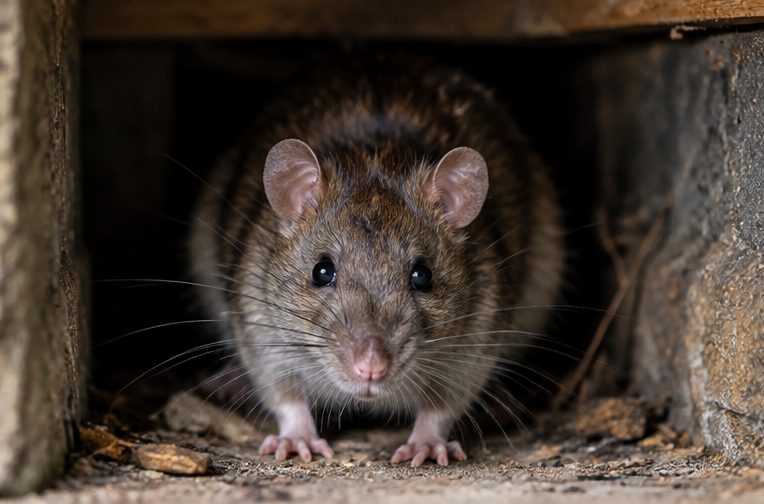
Every door and every service that enters a building is a possible gap. A large detached house simply has more of them, spread around more walls, and many are at the back or side where nobody looks. The most common entry points are the place to start.
Doors used every day
Boot room and utility doors are opened constantly, with dogs, muddy boots and deliveries going through, and their bottoms wear down. The door from the garage into the house is often the least well fitted door in the building. Old timber side doors and gates into service yards shrink and leave a gap at the threshold. A mouse can use a gap that looks far too small; what size hole a mouse needs explains why.
Garage doors
Wide garage doors rarely sit tight to the floor across their whole width, and a double garage has two of them. Where the garage joins the house, rats and mice can reach the utility room or kitchen through the connecting door or around pipes in the shared wall.
Service entries
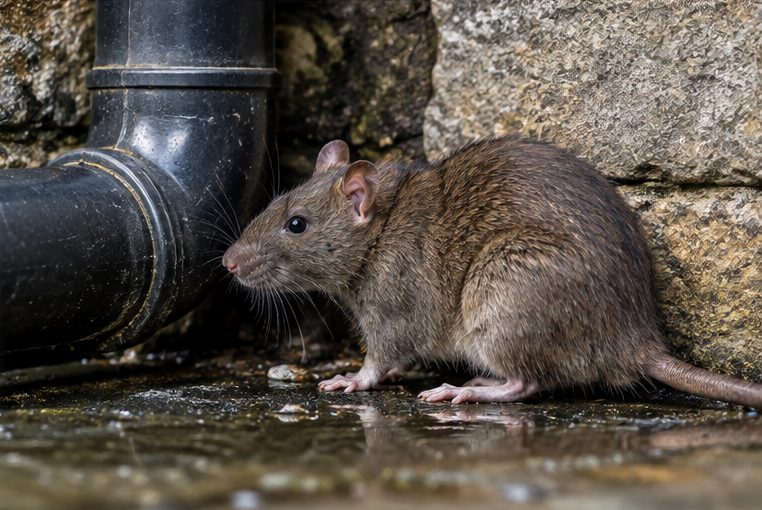
Water, gas, electricity and data cables come into the house, and on a big plot more run out again to the pool house, annexe, garden lighting and gates. Each entry point is a hole through a wall, often cut larger than the pipe or cable. Pool plant rooms have pipework running in and out at ground level. Proofing pipe and cable gaps goes into the detail.
Air bricks and drains
Older houses with timber ground floors have air bricks, and a cracked grille opens straight into the floor void. Stopping rats at air bricks explains how they can be covered and still ventilate. Where there is no gap above ground, a drain fault is possible.
What an Hour of Proofing Covers
The £180 service covers up to one hour of work on small holes and gaps: sealing round pipes and cables, fitting mesh over damaged air bricks, and closing small gaps at the base of doors and frames. On a large house there may be more gaps than an hour allows. The technician will start with the ones rodents are actually using and tell you what else was found, so you can decide what to do next. Which holes rodents are using explains how that is worked out.
Larger jobs, such as a new garage door, replacement door frames or rebuilding a damaged wall, are work for a builder or joiner. In Totteridge village, which is a conservation area, check with the council's planning team before changing doors or anything else visible on the outside of the house.
Treat First, Then Proof
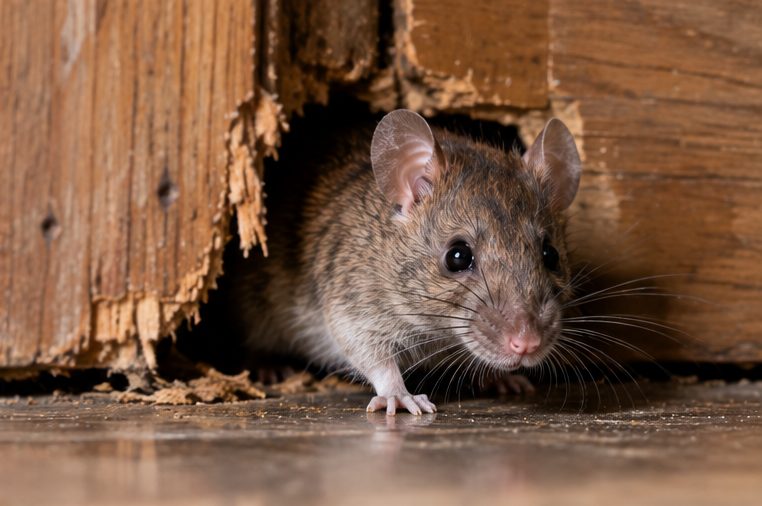
Proofing works best once rats or mice have been dealt with. Sealing a gap while rodents are inside can shut them into a wall or floor void, where they chew a new way out or die out of reach. Book rat control or mouse control first, and proofing once activity has stopped. Before or after treatment explains the reasons.
Getting Ready for a Proofing Visit
- Walk round the outside of the house and note any gaps you have seen at the base of doors or round pipes
- Make sure the garage, boot room, utility room and pool plant room can be reached
- Move stored items away from the walls in the garage so the base of the walls can be seen
- Tell us about any annexe or outbuilding where rodents have been active
For rodent proofing across the rest of the borough, see Rodent Proofing Barnet.