Rodent proofing
The Gaps That Matter on a Woodland-Edge House
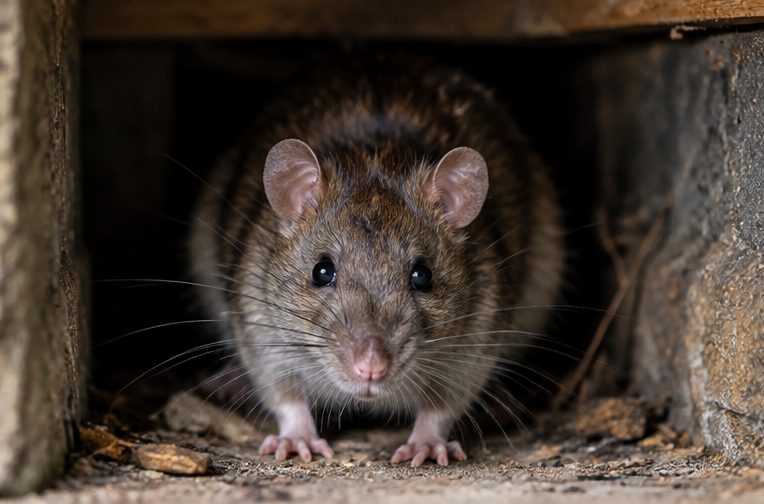
Rodents from the woods and open space around Mill Hill, which the Pest Control Mill Hill page describes, do not need a big hole. They need one that nobody has noticed. The size of hole a mouse can use is smaller than most people imagine, and a rat needs little more.
Low air bricks at the back
Where a garden rises behind the house, the ground can sit close to or even above the level of the air bricks that ventilate the floor. A cracked grille, or one half-buried in soil or a flower bed, is an easy way under the floor. Air bricks must stay open, so the fix is a cover that lets air through and keeps rodents out, and pulling the soil back from the wall. Stopping rats at air bricks explains the options.
Pipes, cables and flues
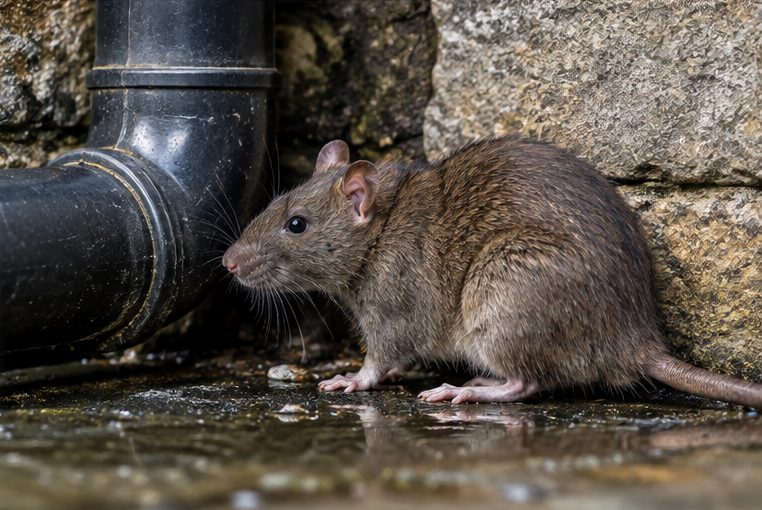
Waste pipes, outside taps, cable entries and boiler flues are usually cut through the wall with a hole larger than the pipe. At ground level that suits rats; higher up, where a cable runs in under the eaves, it suits field mice, which climb. Proofing pipe and cable gaps covers these in detail.
Garage and side doors
Many houses on the hill have a garage or a side door to the garden. An up-and-over door that no longer meets the floor, a worn threshold, or a door from the garage into the utility room with a gap underneath all give rodents a sheltered way in.
What an Hour Covers, and What It Does Not
The £180 service is for up to one hour of work on small, reachable gaps: fitting mesh or covers to air bricks, filling round pipe and cable entries, and closing gaps under doors. It is not building work. Rebuilding a retaining wall, repointing a whole elevation or replacing rotten fascia boards is a job for a builder or roofer. If you want a lot done, say so when booking so you know what an hour is likely to reach.
Squirrel entry points
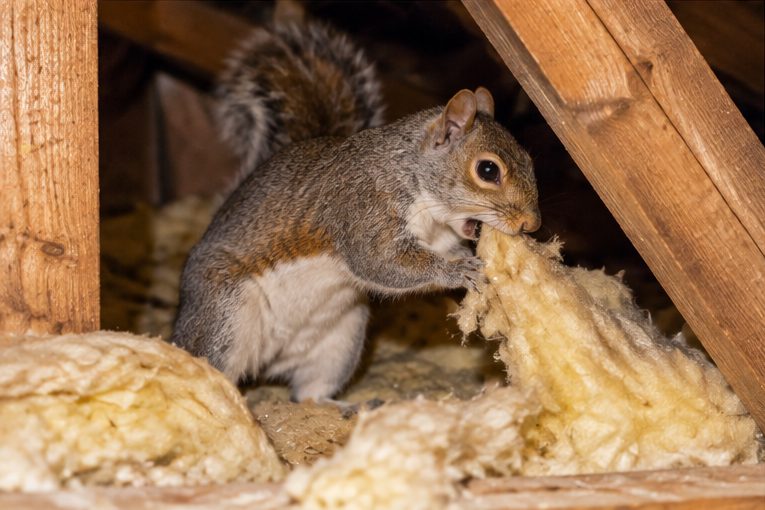
A squirrel hole in the roofline is usually a roofing or carpentry repair, made once the loft is clear. Squirrel control in Mill Hill sets out that order of events.
Treat First, Then Proof
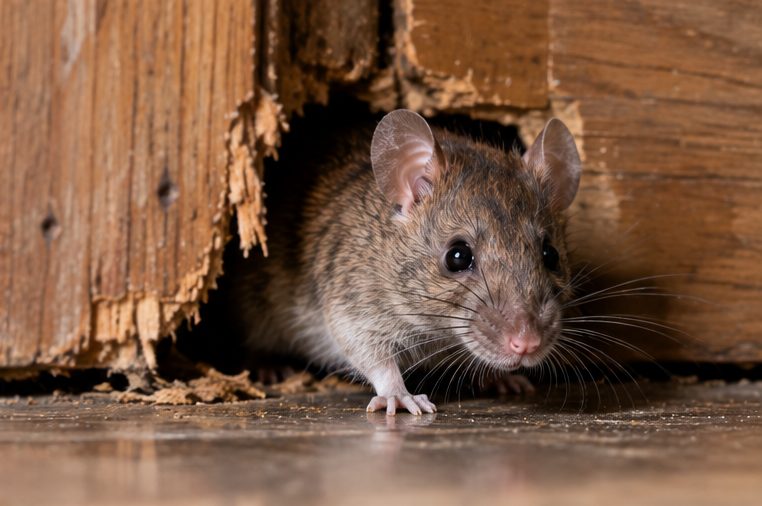
Sealing a hole while rats or mice are still using it can trap them inside, or send them chewing through somewhere new. The usual order is rat control or mouse control first, then proofing once activity has stopped. Whether to proof before or after treatment explains why, and which holes rodents are actually using helps if there are several to choose from.
Booking Proofing in NW7
When you book rodent proofing, say what has been treated, where you think they were getting in, and whether the gaps are at ground level, in the garage or up at the eaves. Photographs help. Clear planting, bins and stored items away from the walls and doors concerned so they can be reached, and say if any of them are up steps or only reached through the house.
A quick check each September
Because field mice start moving towards houses as the nights cool, late summer is the sensible time to walk round the outside of the house. Look at every air brick along the back and sides, the point where each pipe leaves the wall, the bottom edge of the garage door and any climbing plant that has reached the gutter. A gap spotted in September can be dealt with before anything uses it.
Afterwards, keep soil and mulch pulled back from the air bricks, cut climbing plants away from the eaves and check door bottoms each autumn. For the wider picture across the borough, see Rodent Proofing Barnet.