Rodent proofing
Who Can Authorise Proofing in a Finchley Conversion

Most of the gaps rodents use are in the fabric of the building rather than inside a flat. In a leasehold house divided into flats, that fabric normally belongs to the freeholder, and the lease will usually say that leaseholders cannot alter the structure or the outside walls. So before any work is booked, it is worth being clear who can agree to it.
Inside your own flat
Gaps around pipes under your own sink, behind your kitchen units or where a cable enters your own cupboard are generally yours to deal with, whether you own the lease or, with the landlord's agreement, rent the flat. These are the jobs a leaseholder can usually book directly.
The outside walls, air bricks and hallway
A cracked air brick at the base of the front wall, a hole where the ground-floor waste pipe leaves the building or a gap in the meter cupboard in the hall are usually the freeholder's. Ask the freeholder or managing agent to agree the work, or to book it themselves. Where the leaseholders share the freehold, one of them can usually agree it for the building, but check how your company or agreement works.
Tenants
If you rent, the landlord's permission is needed for work to the building, and the landlord may need the freeholder's as well. Tell your landlord which gaps you think are involved and let them arrange it. Pest Control Finchley sets out who normally arranges what in a converted house.
Gaps Typical of Finchley's Period Houses
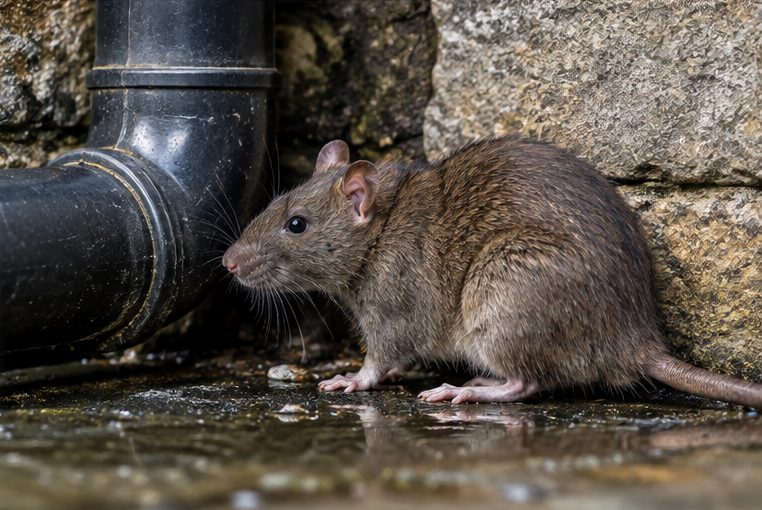
Victorian and Edwardian houses near the stations tend to share a set of weak points, most of them low down at the back and side. The most common entry points gives the fuller list.
- Old air bricks feeding the suspended floor of the ground-floor flat, with cracked or missing grilles
- Holes around waste pipes and gas pipes where they leave the kitchen of the ground-floor flat
- Openings left where heating pipes or cables were added between the flats during the conversion
- The gaps where meter cables enter the building and the cupboard in the communal hall
- The foot of a worn side door or a rear door to the garden
Air bricks have to keep letting air through to the floor, and stopping rats at air bricks explains how that is done without blocking them.
What the Hour Covers and What It Does Not
The £180 is for up to one hour of work on small, reachable holes and gaps. In a conversion that might be the gaps around the ground-floor pipes and a damaged air brick, depending on how many there are and how easy they are to get at. Repointing a crumbling wall, rebuilding a rotten door frame or relaying broken paving is for a builder, and a faulty drain is for a drainage contractor or the water company. You will be told if that is what the building needs.
Treatment First, Then the Gaps
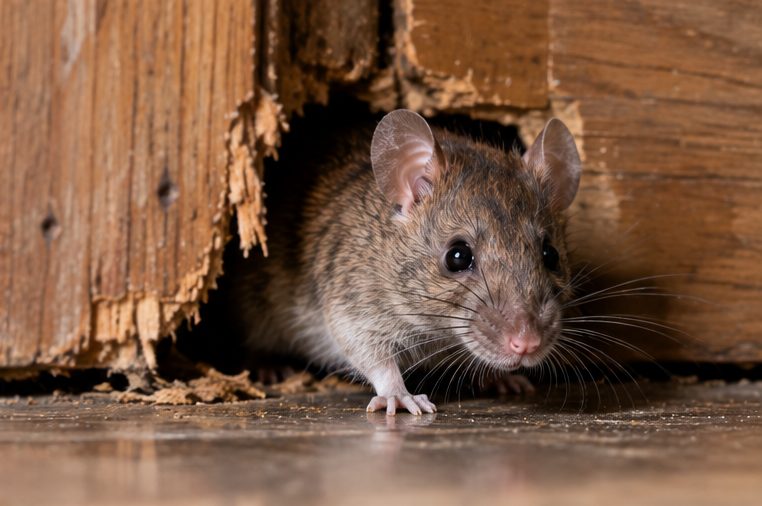
Proofing belongs after the rats or mice have been dealt with. Sealing a gap they still use can shut them inside a floor void between two flats, where they gnaw a new way out, often into someone else's kitchen. Book rat control or mouse control first; before or after treatment explains the order.
Booking and preparing
When you book, tell us whether you own, rent or manage the building, whether the freeholder has agreed to work on the outside or common parts, and where you think the rodents were getting in. Move bins away from the side wall and make sure the meter cupboard and under-sink cupboards can be opened. Afterwards you will hear which gaps were closed; which holes rodents are using helps if you spot new signs.
For the gaps found in other kinds of Barnet housing, see Rodent Proofing Barnet.