Fleas
How Fleas Reach a Totteridge House
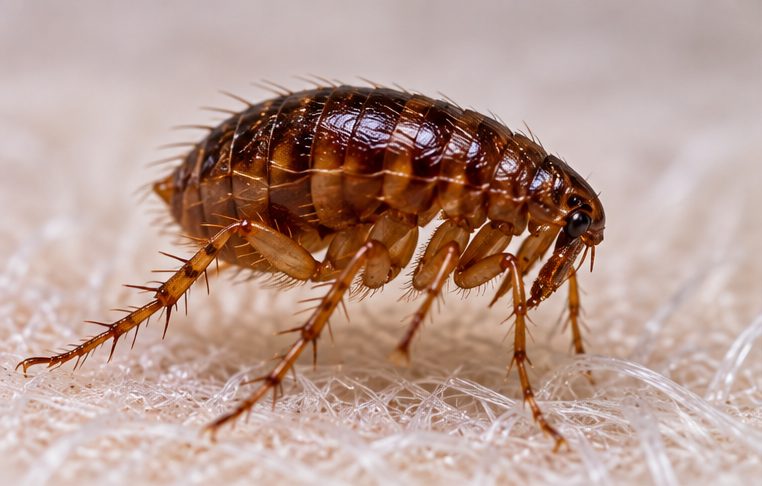
The flea found in most homes is the cat flea, which lives happily on dogs as well as cats. On a big plot with open land beside it, pets meet plenty of other animals, and flea eggs fall wherever an animal rests. How to know you have fleas sets out the first signs.
Dogs on open ground
Dogs that roam the grounds, the paddocks and the edge of open land cross the paths of foxes, hedgehogs and other people's dogs. A dog that is treated for fleas can still carry a few home, and if its treatment has lapsed, the numbers build quickly in its bedding and the rooms it uses.
Yard cats and stables
Many stable yards have cats that keep the rodents down. If they are not treated for fleas, they can keep a flea population going in the tack room and feed room, and dogs pick them up there. Horses are not the usual host for the fleas found in homes, so fleas around a yard are more likely to be linked to cats, dogs or wildlife.
Boot rooms, dog beds and cars
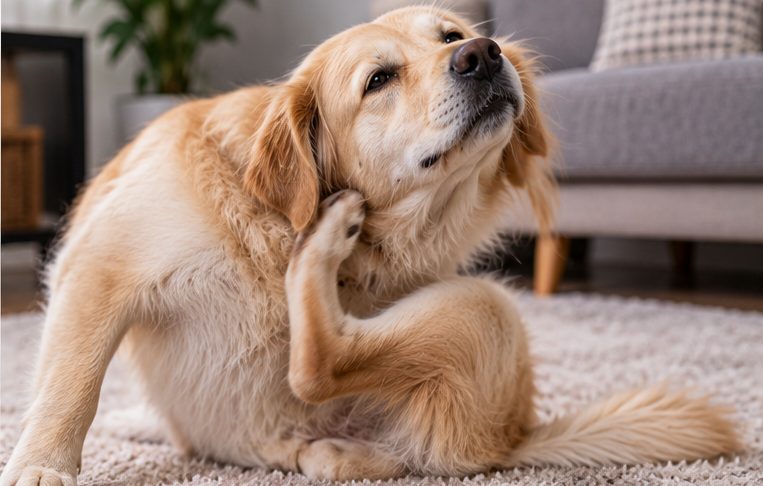
In a large house, dogs often have their own rooms: a boot room, a utility room or a corner of the kitchen with their beds. Those rooms, and anywhere else the dogs sleep, are where larvae develop in the bedding and the floor. The back of the car used to take the dogs out can hold them too.
Pets First
Treating the house without treating the animals rarely lasts. Speak to your vet about the right flea treatment for each dog and cat, including yard cats, and keep it up to date. Do pet treatments clear the house? explains why both are needed. Do not use a product meant for dogs on a cat.
What to Do Now
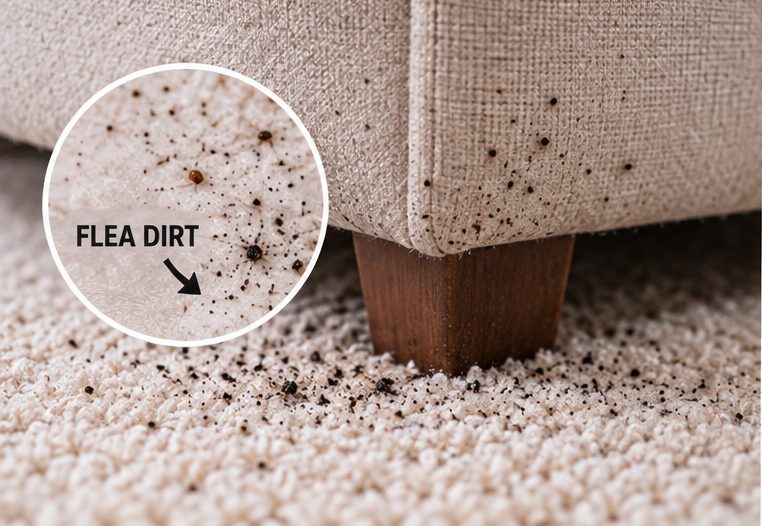
- Wash dog beds and blankets on a hot wash, and dry them on high heat
- Vacuum the rooms the dogs use, including under furniture, and empty the vacuum outside
- Keep dogs out of rooms they do not normally use until the house has been treated
- Speak to your vet about treatment for every pet in the household
- For bites that are inflamed or will not settle, speak to a pharmacist or GP
Booking Flea Treatment
When you book flea control, list the rooms the dogs and cats use and the rooms where people have been bitten. How to prepare for flea treatment explains what to do beforehand, such as clearing floors and vacuuming. You will be told what to expect afterwards; some biting can carry on for a while, as why fleas still bite after treatment explains. Get in touch if it does not settle.
Which rooms to include
The rooms to include are the ones the animals spend time in, not the whole house. In a big house that might be the boot room, the utility room, the kitchen and one sitting room, while bedrooms the dogs never enter can be left out. If the dogs sleep upstairs, include those bedrooms too. Where fleas hide around the home helps you decide.
Keeping Fleas Down on a Property With Animals
Keep every animal's flea treatment in date, including yard cats, and wash dog bedding regularly. Vacuum the boot room and utility room often. If you are not sure whether bites are from fleas, bed bug control in Totteridge covers the other possibility, and carpet beetle larvae can also cause skin irritation. For fleas across the borough, see Flea Control Barnet.