Mice
Mice in the Buildings Nobody Uses Every Day
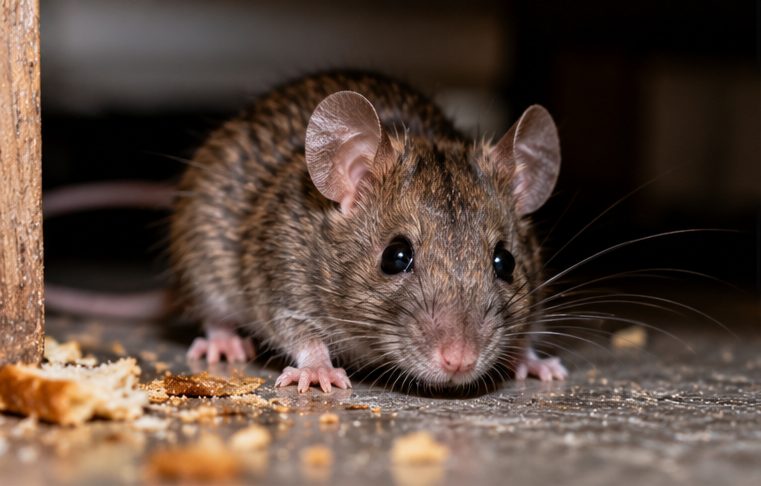
In a large property the main kitchen gets noticed first, but mice often start somewhere quieter. An annexe or staff flat with a kitchenette, a pool house with a bar fridge and a cupboard of snacks, or a garden store stacked with seat cushions all offer food, nesting material and peace. Nobody hears scratching in a building that is empty.
Annexes and staff flats
A self-contained annexe has everything a mouse needs: a kitchen, a boiler, fitted units with voids behind them, and often a loft or eaves space. If it is only used when guests stay, a packet left in a cupboard or crumbs under the fridge can feed mice for weeks. By the time the next visitors arrive, there may be droppings along every skirting.
Pool houses and garden stores
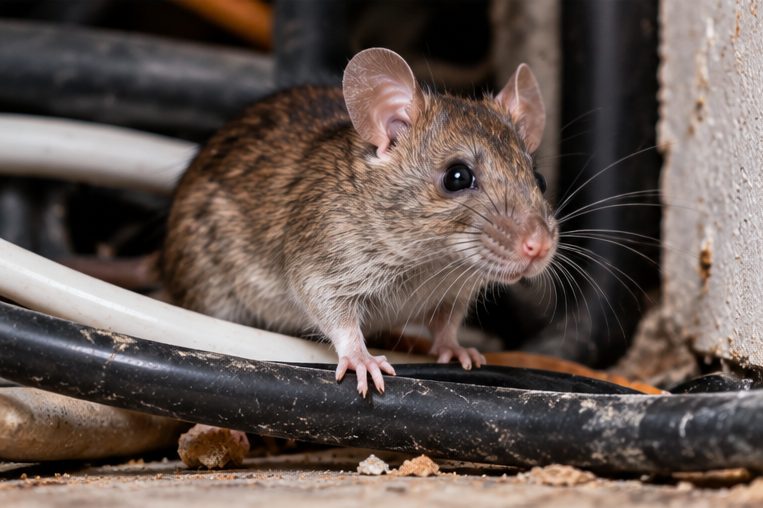
A pool house plant room stays warm and dry all year, and outdoor furniture cushions, pool covers and stored boxes make good nests. A summerhouse or store with a timber floor raised off the ground has a void underneath that mice use as a base.
Wood mice in autumn
Houses on the edge of fields and woodland also get wood mice, sometimes called field mice, which come in from gardens and open ground as the weather cools. They have larger eyes and ears than house mice and move in quick jumps. They tend to turn up in outbuildings, garages and the rooms nearest the garden first.
Where to Look in an Annexe or Outbuilding
- Droppings inside kitchenette cupboards and under the sink
- Nibbled packets or shredded paper behind the fridge in a pool house
- Chewed seat cushions, pool covers or stored bedding in a garden store
- Droppings along the skirting of an annexe bedroom that has been shut up
- Gnawing at the base of a timber door or a gap round a pipe
The signs of mice explains what to look for. Larger droppings, or gnawed feed near the stables, may mean rats in Totteridge rather than mice.
What to Do Straight Away
- Clear food out of annexe and pool house cupboards if the building will be empty for a while
- Store cushions, pool covers and bedding in sealed boxes rather than open shelves
- Look in the main house too, especially rooms that face the outbuilding
- Do not seal holes while mice are still active inside
- Keep poison out of eaves spaces and floor voids, where a mouse can die out of reach
Around the Visit
When you book
When you book mouse control, say which buildings have signs, whether the annexe is a self-contained home, and whether the main house is affected too. Mention if anyone lives in the annexe or staff flat, so we can arrange access with them.
Before and after
Make sure keys to the annexe, pool house and stores are available, and clear space under the sinks. The technician will explain what was found and what happens next. How long it takes depends on the buildings and how established the mice are, as how long mouse treatment takes explains. Get in touch again if new droppings appear after it had gone quiet.
Keeping Mice Out of the Outbuildings
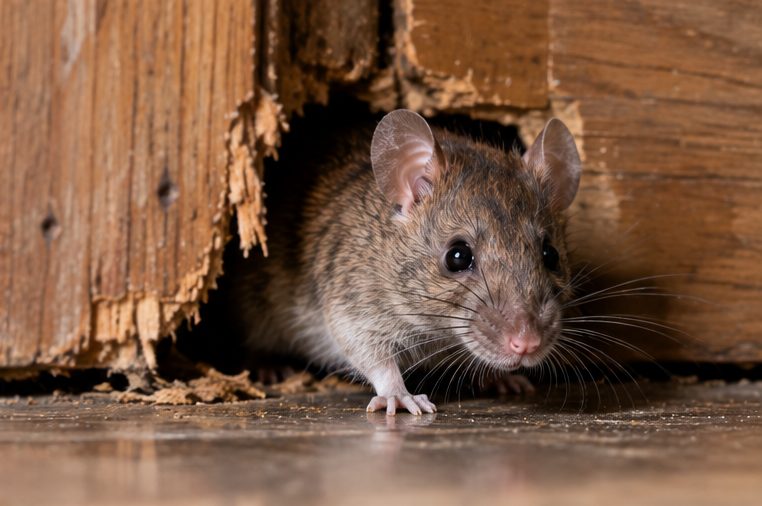
Before closing an annexe or pool house for the winter, clear out food, take cushions into sealed storage, and check round the doors and service pipes for gaps. Timber doors that have shrunk or rotted at the base can let mice in, and so can the holes where cables and water pipes enter from the garden. How mice get in covers the routes, and why mice keep coming back explains why a building left empty each year tends to be used again. Small gaps can be sealed by rodent proofing in Totteridge.
For mice in flats, terraces and semis elsewhere in the borough, see Mouse Control Barnet.