Rats
Rats Around Totteridge Stables and Feed Stores
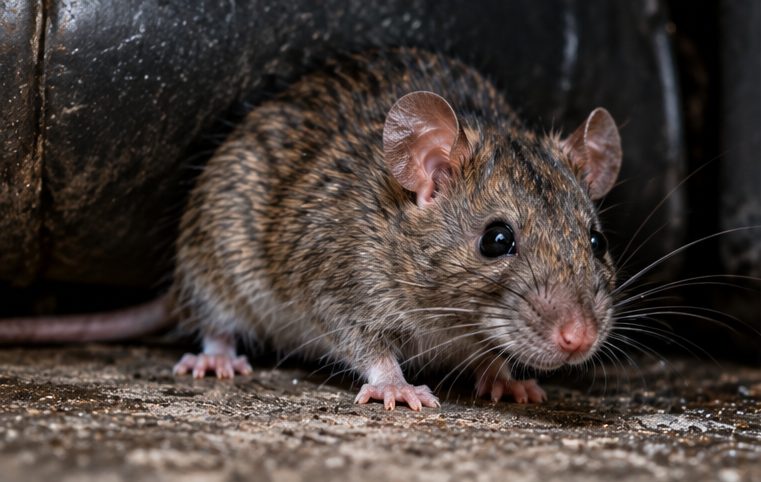
A stable yard gives rats the three things they want in one place: food that is topped up every day, dry bedding to nest in, and quiet corners that nobody moves for months. The layout of a big plot, covered on Pest Control Totteridge, means the yard may be some way from the house, so a colony can grow there long before anyone sees a rat near the kitchen.
Feed rooms and tack rooms
Sacks of feed stood on the floor are the first thing rats find. They gnaw a corner, eat, and come back the next night. Plastic bins with lids that no longer shut, feed swept into a corner rather than picked up, and gaps under a timber feed-room door all keep them coming. A tack room with rugs and blankets folded on a shelf makes a dry place to nest a few metres from the food.
Muck heaps, hay and paddock hedges
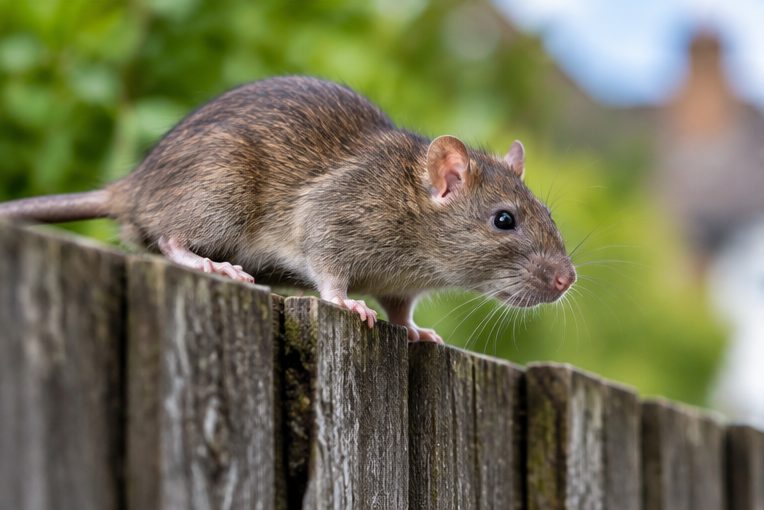
A muck heap stays warm inside, and rats burrow into its base or into the bank beside it. Stacked hay and straw give them tunnels to live in. Paddock hedges, field shelters and the rough grass along fence lines are cover to travel under, and on plots that back onto open land there is no clear edge where the rats stop.
From the yard to the house
Rats that are settled at the yard forage further as their numbers grow. They follow walls and hedges to the garage, the pool plant room and the house bins, and then look for a way in at ground level: a worn door bottom, a broken air brick, a gap round a pipe. How rats get into homes explains each route.
Signs to Check on the Yard and Around the House
- Gnawed feed sacks, or feed scattered across the floor overnight
- Burrow openings at the base of the muck heap, under a field shelter or along a hedge bank
- Dark greasy marks along the bottom of stable walls and feed-room doors
- Droppings on shelves in the tack room or behind stored hay
- Runs worn into the grass between the yard and the house, garage or bins
The first signs of rats sets these out in more detail. Very small droppings in the house or an annexe rather than the yard may point to mouse control in Totteridge instead.
What to Do Now on a Property With Horses
- Move feed into metal bins, or thick plastic bins with lids that close tightly, and keep them off the floor
- Sweep up spilt feed and hay at the end of each day rather than the end of the week
- Keep dog food, bird seed and any other animal food stored the same way
- Wear gloves when clearing droppings or bedding where rats have been, and wash your hands afterwards
- Do not put poison down yourself anywhere horses, dogs, cats or wildlife can reach it
- Do not block holes in the house while rats may still be inside
Rats can carry infections that affect people and animals. If you feel unwell after contact with rat droppings or urine, speak to a pharmacist or GP. If you are worried about a horse or dog, speak to your vet.
Booking Rat Control for a House and Yard
What to tell us
When you book rat control, say where you have seen signs: the feed room, the stables, the muck heap, the garage or the house itself. Tell us how the yard is reached from the drive and whether any gates need a code.
On the day
The technician will want to see the feed room, the stables and the ground between the yard and the house, as well as any rooms indoors with signs. Let us know where the horses will be, and keep dogs in while the work is going on.
Afterwards
You will be told what was found and what should happen next. How long it takes to clear rats depends on the property and how established they are, and how long rat control takes explains what affects it. Call us again if feed is gnawed after it had stopped, or new burrows appear.
Keeping Rats Away From the Yard and the House
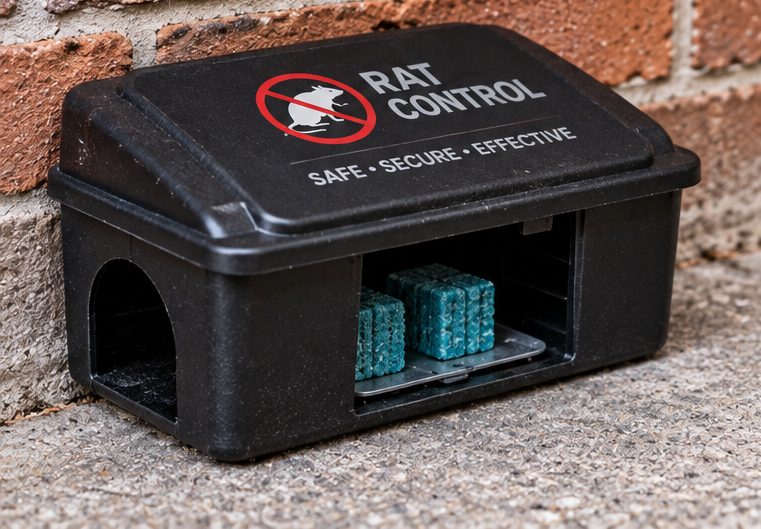
The yard is where prevention starts. Keep feed sealed and off the floor, clear the gap under stored hay so it is not a sheltered tunnel, and site the muck heap well away from the house and the feed room if you have the choice. Keep the base of hedges near the yard clear of rubbish. At the house, gaps under doors and around pipes can be closed with rodent proofing in Totteridge, and rat proofing explains the order of work.
For rats across the rest of the borough, including the brook valleys and older drains further south, see Rat Control Barnet.