What they claim
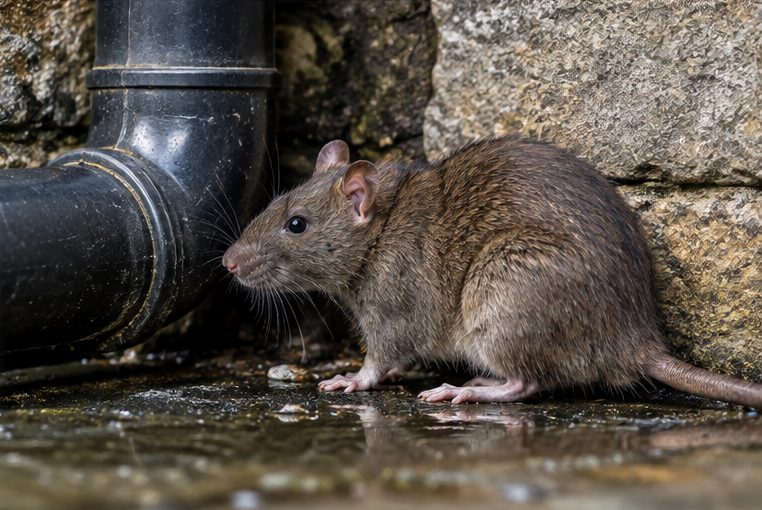
Ultrasonic repellers plug into a socket and emit high-frequency sound, above the range of human hearing, that is meant to make rodents uncomfortable enough to leave. Some also claim to affect insects.
What the evidence shows
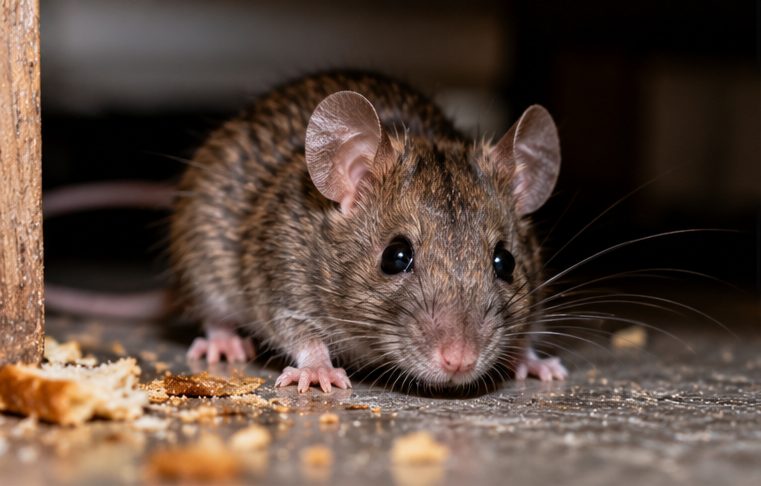
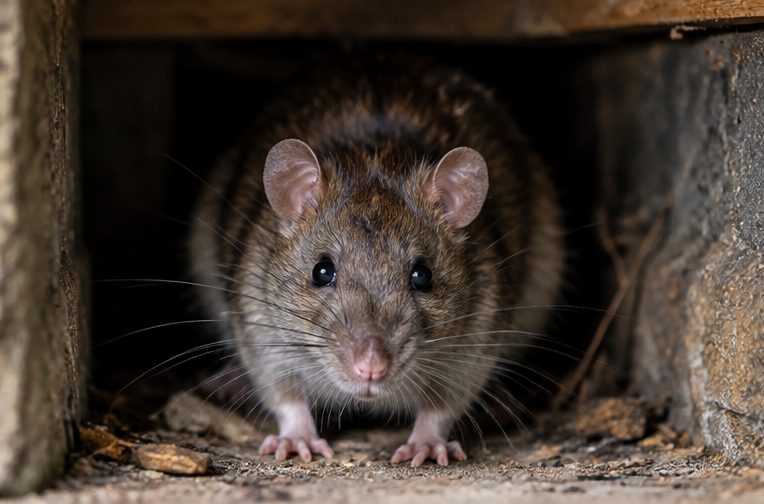
Research into these devices has generally found little or no lasting effect on rodents. Where there is any reaction, it tends to fade as the animals get used to the sound — especially when food and shelter are available. An infestation with a nest, a food supply and an open entry point is not going to be moved on by noise.
Why they struggle in a real house
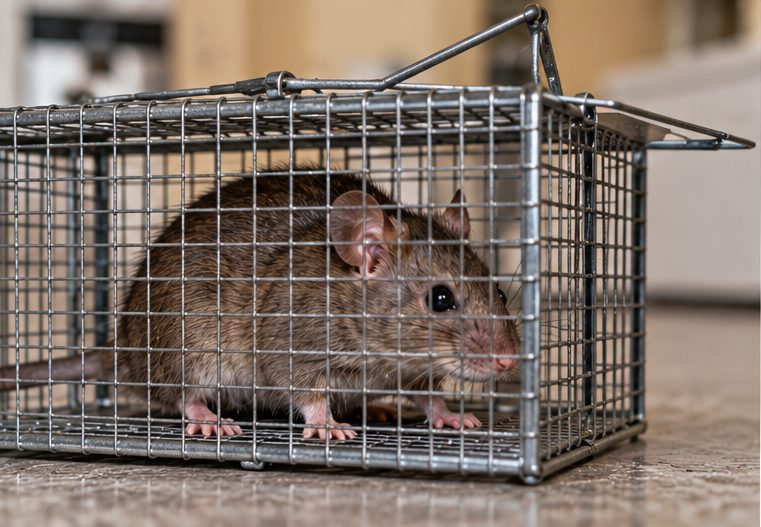
- Ultrasound does not pass through walls, floors or kitchen units — exactly where rodents live
- Furniture, curtains and soft furnishings absorb it
- Its reach is limited to the room, and often part of the room
- Rodents living in floor voids and cavities may never hear it at all
A word about pets
Pet hamsters, gerbils, guinea pigs, rats and mice can hear ultrasound and may be distressed by it. If you keep small pets, check before using one.
What works instead
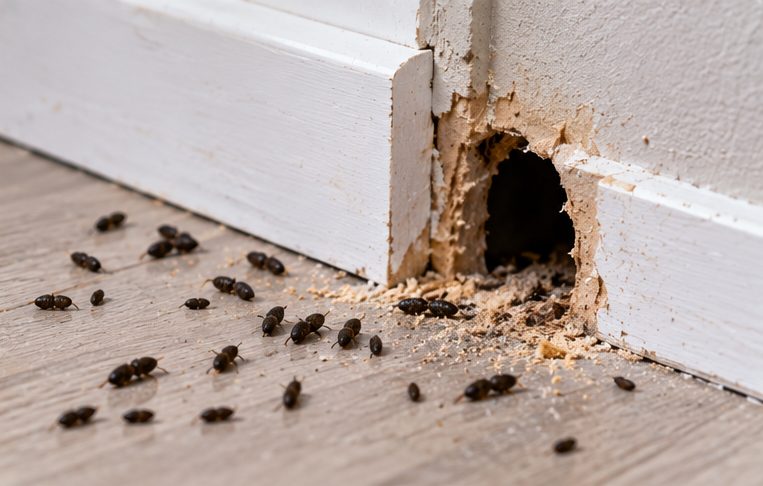
- Find the entry points — a walk-round checklist
- Remove food: sealed containers, clean bins, no pet food down overnight
- Treat the rodents properly — mouse control or rat control
- Seal the gaps once they have gone — rodent proofing
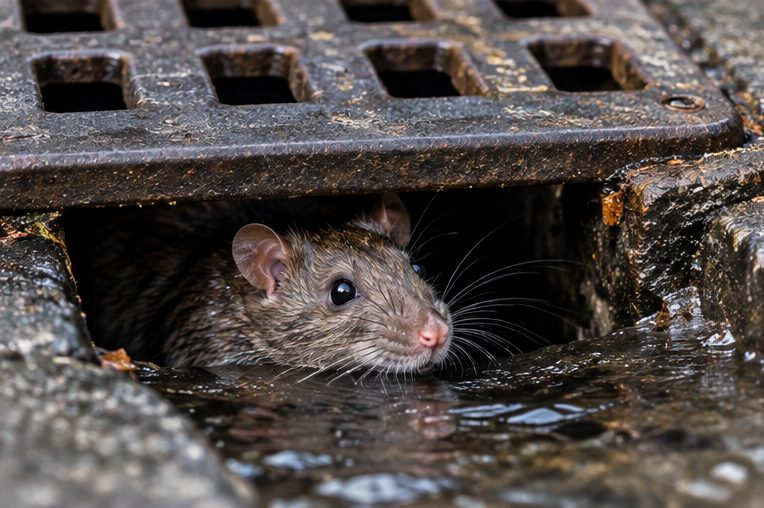
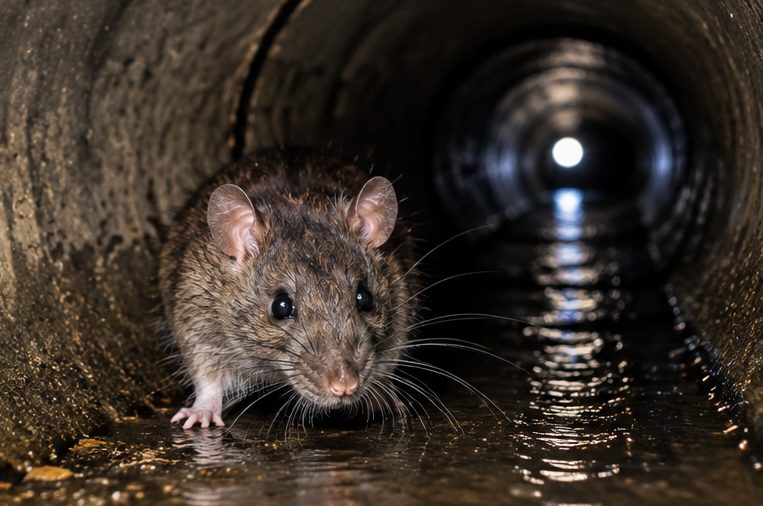
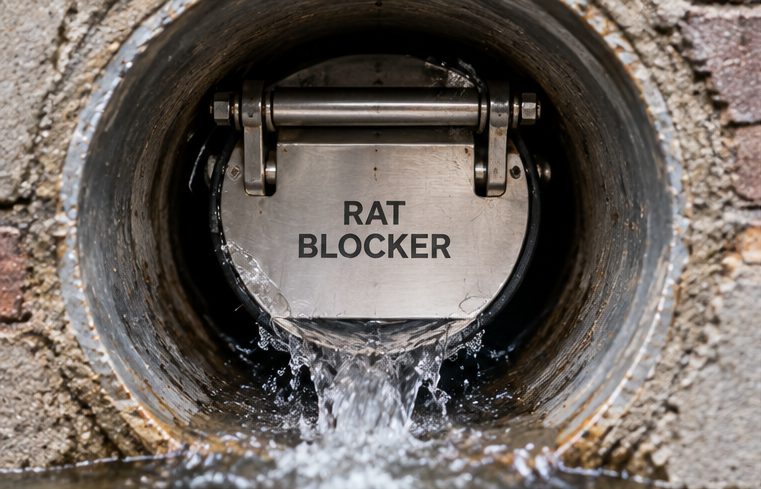
- Deal with drain defects where rats are coming from the sewer — see rats and drains
Mice in particular
Mice are curious, adaptable and live very close to their food — see where mice nest — often behind kitchen units where no sound would reach. Stopping mice behind kitchen units does far more than any plug-in device.
Getting rid of them properly
Rat or mouse control in Brent is £190 for a flat and £240 for a house, and small-hole proofing is £180 for up to one hour. Book mouse control, book rat control, or read how treatment and proofing fit together.