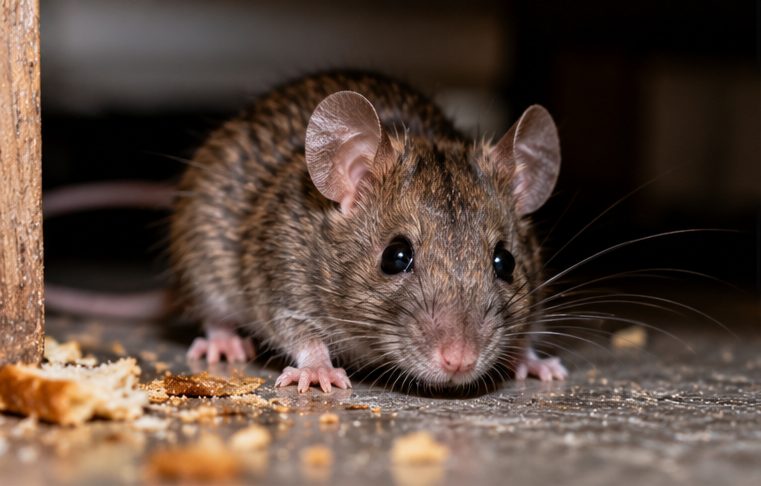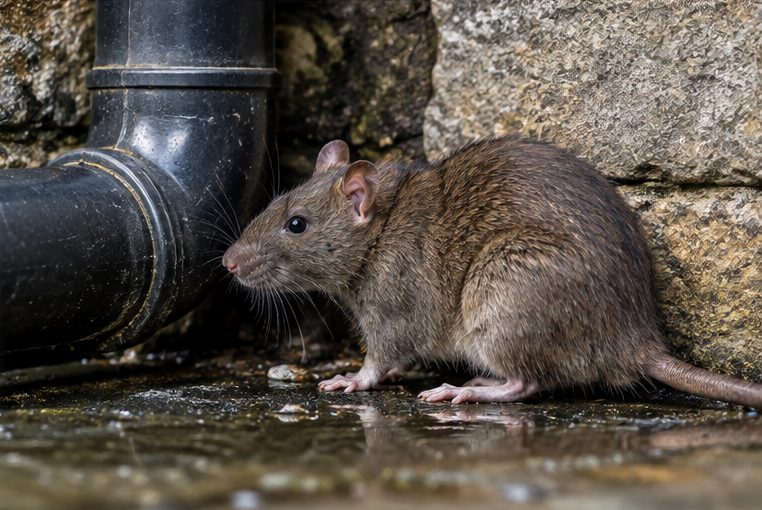
The sewer is the rats' home
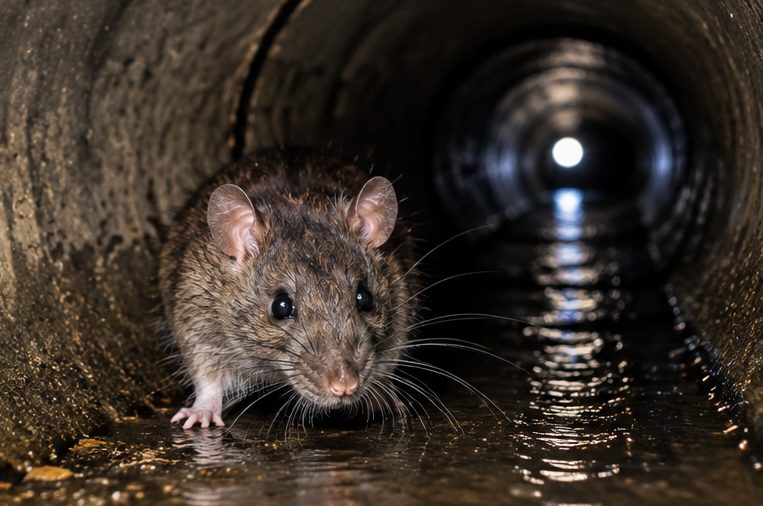
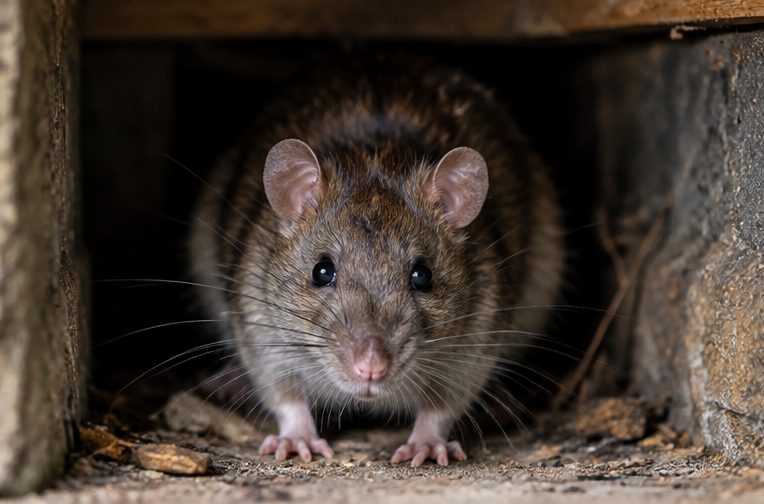
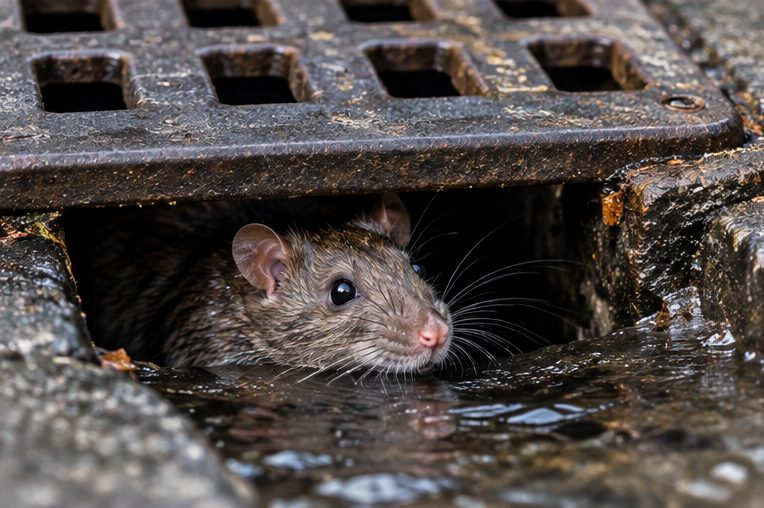
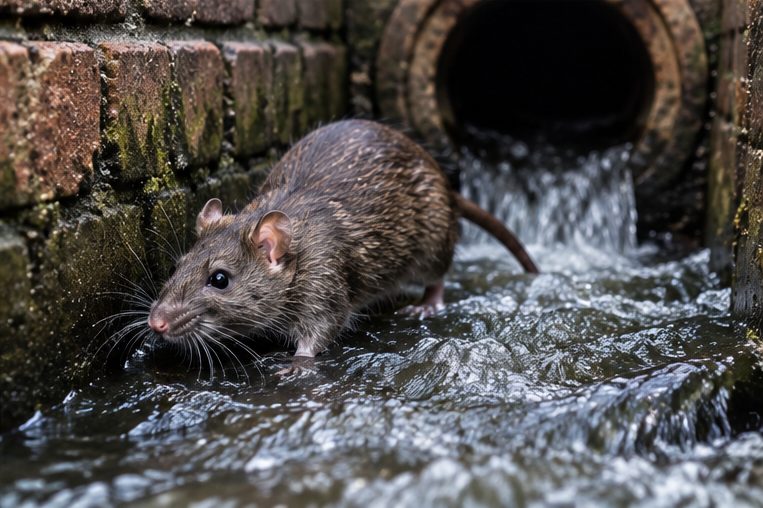
Brown rats live in large numbers in the public sewer network, where there is water, shelter and a steady supply of food waste. They are strong swimmers and move easily through pipes. In a sound drain system that is where they stay.
How they get out
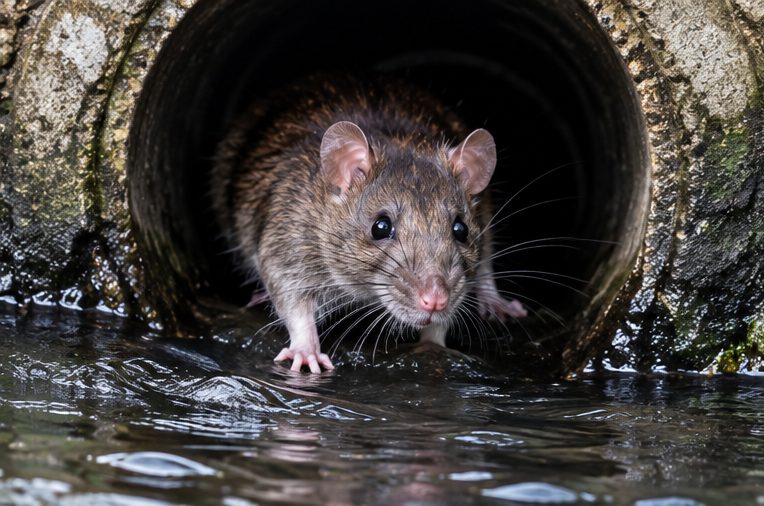
- Cracked or broken pipes, often clay pipes damaged by tree roots or ground movement
- Displaced joints between pipe sections
- Redundant connections — from an old outside toilet or a removed gully — left open underground
- Damaged inspection chambers with missing covers or broken benching
- Occasionally, up through a toilet or waste fitting where the drain is defective
Once out of the pipe, rats burrow through soil and reach floor voids and wall cavities — the pattern described in where rats nest.
Signs that point to the drains
Activity under floors or inside walls with no holes visible outside, rats that return after treatment, activity near bathrooms and kitchens where waste pipes run, and damp or sunken ground over the drain line. The same pattern appears in why rats keep coming back.
Whose drain is it?
In England, drains that serve only your property and sit within its boundary are generally your responsibility. Since October 2011, most shared drains and lateral drains beyond the boundary have been the responsibility of the water company — Thames Water in Brent. If a defect is on a shared section, contact them. A drainage contractor can tell you where the defect sits.
Finding the defect
A CCTV drain survey sends a camera through the pipes and records exactly where cracks, breaks and open connections are. It is the only reliable way to confirm the route before paying for repairs.
Fixing it
- Repairing or replacing the damaged section of pipe
- Relining the pipe from inside, without digging
- Capping redundant connections properly
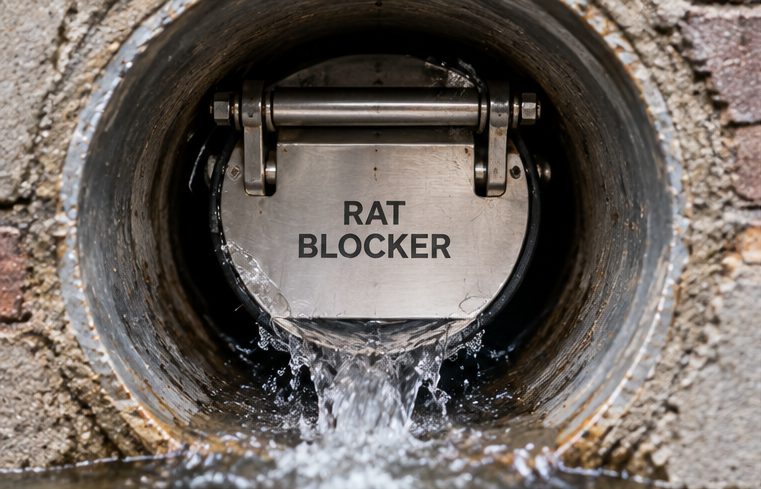
- Fitting a one-way rat blocker, which lets waste water out but stops rats swimming up
These are jobs for a drainage contractor, not a pest controller. Our part is dealing with the rats already inside — rat control in Brent is £190 for a flat and £240 for a house — and sealing any gaps above ground with rodent proofing.
Common in Brent's Victorian streets
Drain-related rats are especially common in the older terraces of Kensal Green and Willesden, where the drains are well over a century old. For the wider picture, see how rats get into Brent homes, and book rat control if you have activity now.