Before you start
Take a torch, a pencil and your phone. Go slowly and photograph anything you find. Start outside, because most entry points begin there, then follow the same line inside. Early morning is a good time: fresh droppings and disturbed soil are easier to see.
Zone 1: ground level outside
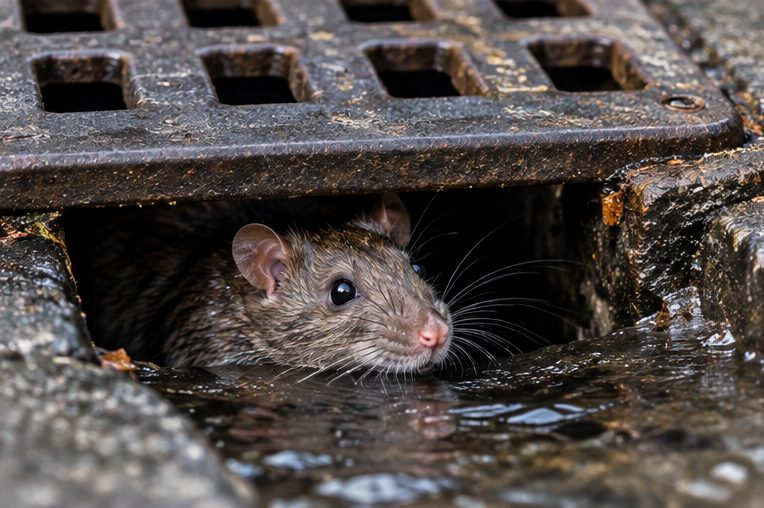
- The base of every outside wall, including behind bins and under steps
- Air bricks — look for broken grilles or large holes (see air bricks)
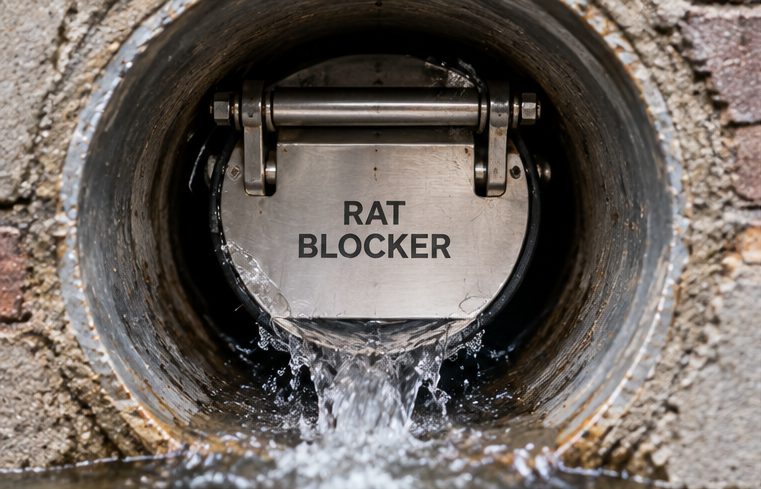
- Drain covers and gullies, and any damp or sunken ground over drain runs
- Where a rear extension, porch or conservatory joins the house
- The gap under garage, shed and garden-room doors
Zone 2: walls and services
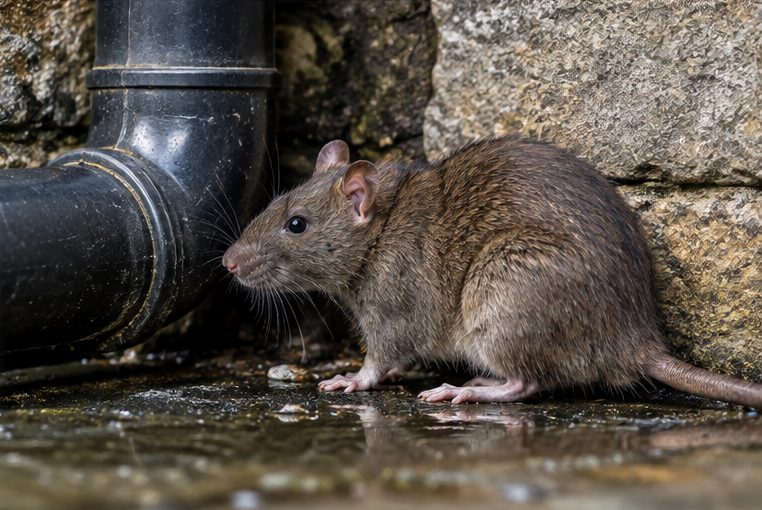
Follow every pipe and cable that goes into the building: waste pipes from the kitchen and bathroom, overflow pipes, boiler flues, gas and water supplies, TV and broadband cables. The gap around each is a potential route. How to deal with them is covered in proofing pipes and utility gaps.
Zone 3: the roofline
Look up. Check fascia and soffit boards, gaps where tiles meet the gutter, and anything that gives a climbing route: drainpipes close to gaps, climbing plants, branches over the roof. In the interwar houses of Kingsbury and Preston, the deep eaves are the area to look hardest at.
Zone 4: inside the house
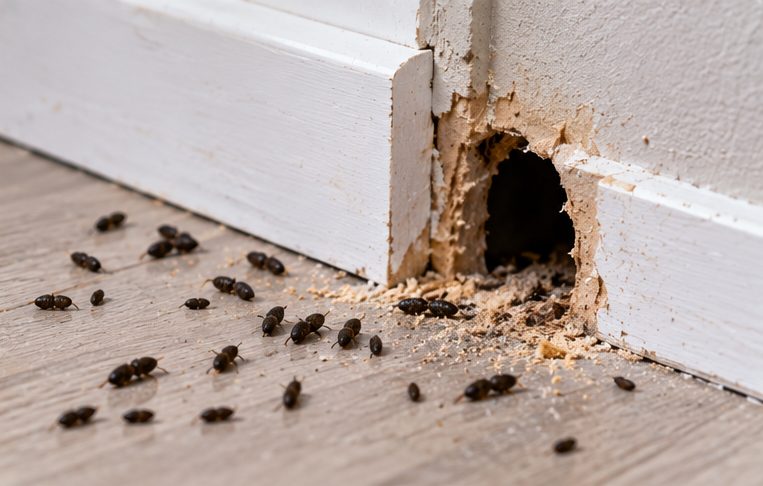
- Behind and under kitchen units — kitchen units has the detail
- Where pipes come up through the floor to sinks, radiators and the boiler
- Under the stairs and inside meter cupboards
- Gaps along skirting boards on outside walls
- The loft hatch area and the eaves from inside the loft
Which of the gaps matter?
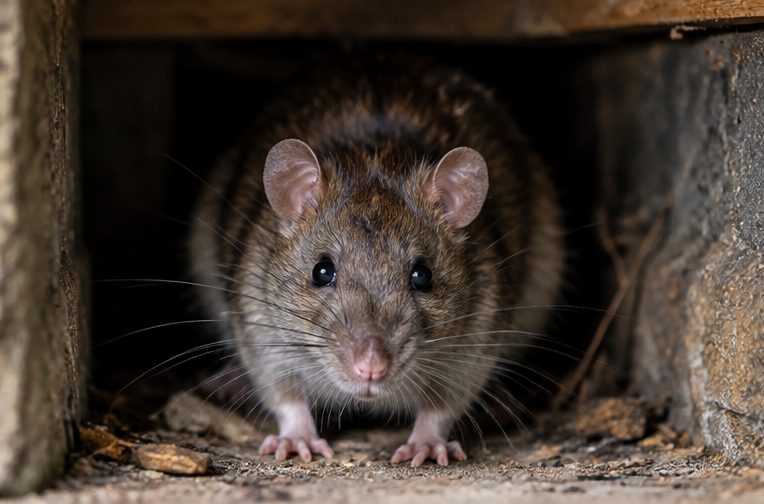
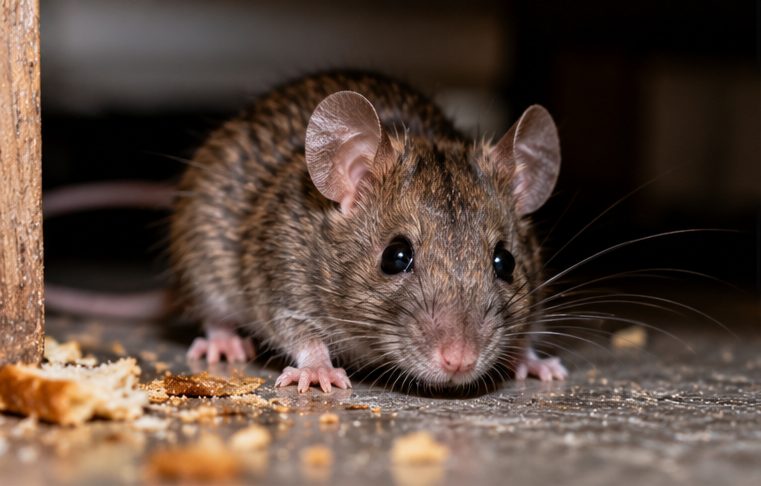
You will probably find more gaps than you expected. The ones that matter most are those with signs of use nearby — how to tell which holes rodents are actually using explains what to look for. Size matters too: compare with the mouse figure and the rat figure.
When the route is underground
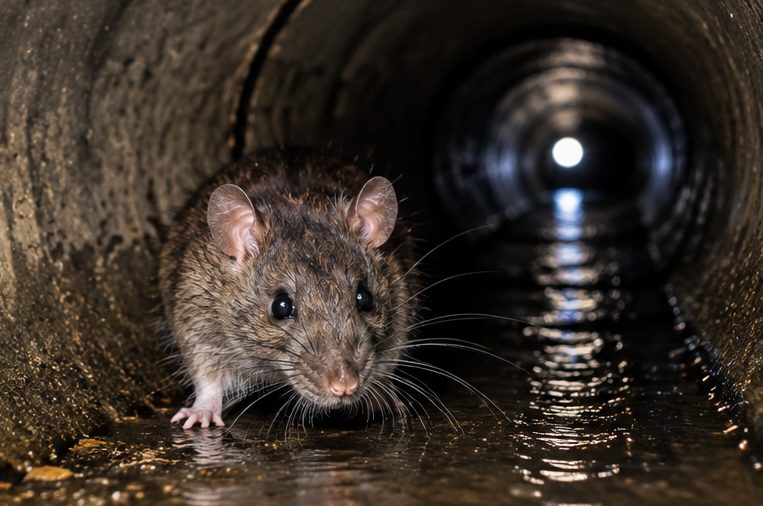
If there are signs inside but no gaps anywhere above ground, the drains are the likely route — see can rats enter through drains and how rats get into Brent homes.
Getting it done
Our rodent proofing is £180 for up to one hour of small-hole work. Book it here, or if rats or mice are still active, start with rat control or mouse control.