Signs of a live route
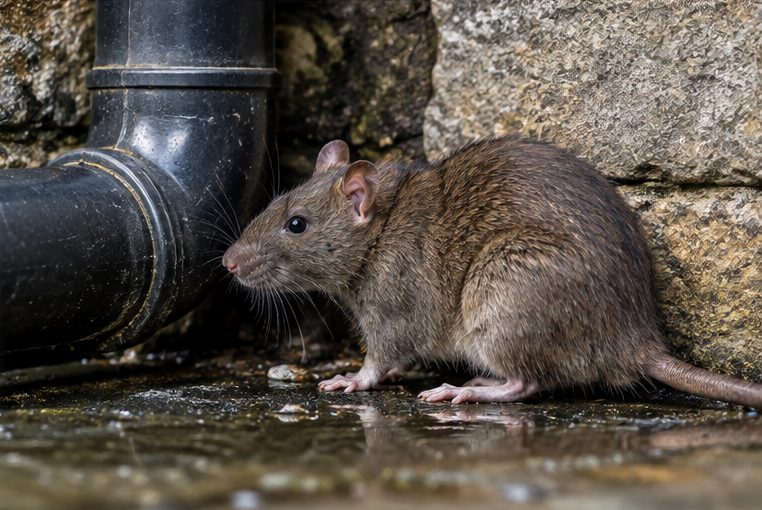
- Dark, greasy smear marks around the edge of the hole, from fur rubbing past
- Fresh gnaw marks — pale and rough rather than weathered
- Droppings clustered near the opening
- Wood shavings, plaster crumbs or insulation fragments below it
- Cobwebs across the hole broken, or none at all where you would expect them
- Worn, polished edges and a smooth track leading to it
The same signs, and what they tell you about the animal, are explained in the first signs of rats.
The flour test
Dust a thin, even layer of flour or talc in front of a suspect hole last thing at night. Check it in the morning. Footprints or tail marks show the hole is in use; undisturbed powder suggests it is not, at least that night. Repeat over a few nights.
The paper plug test
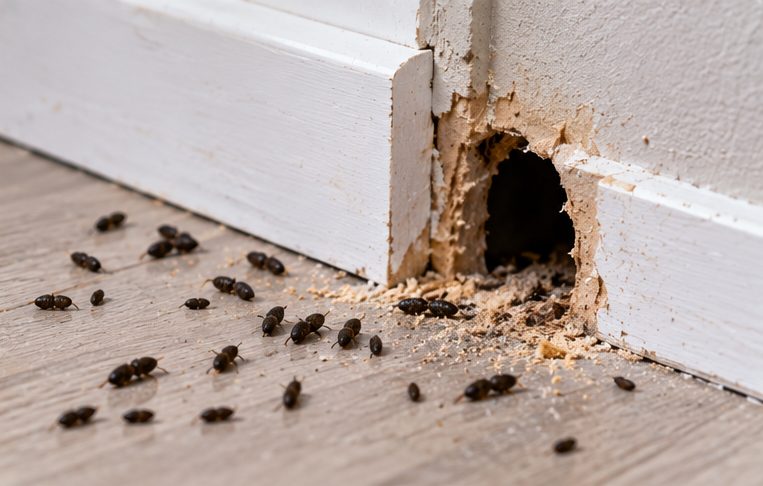
Loosely push a ball of newspaper into the hole. Check it each day. If it has been pushed out, pulled in or chewed, the route is live. Do not use this to seal a hole — it is a test, not a fix.
Rats or mice?
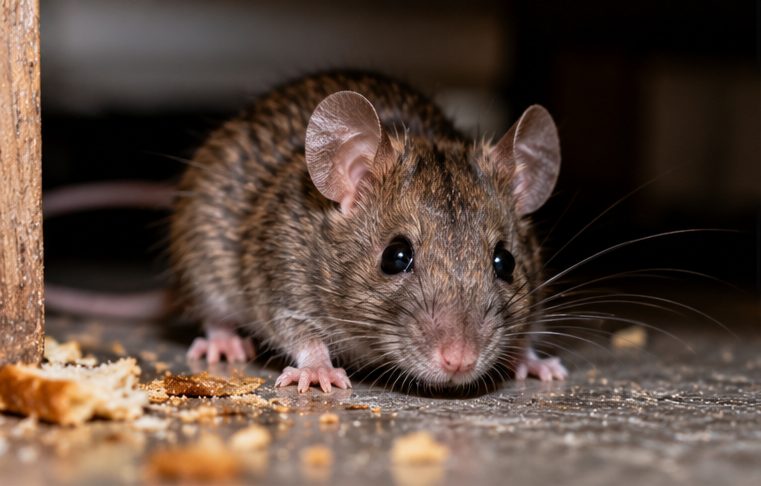
The size of the gap and the droppings nearby tell you which animal is using it. Compare with the mouse gap size and the rat gap size, and see rats or mice.
Old holes still matter
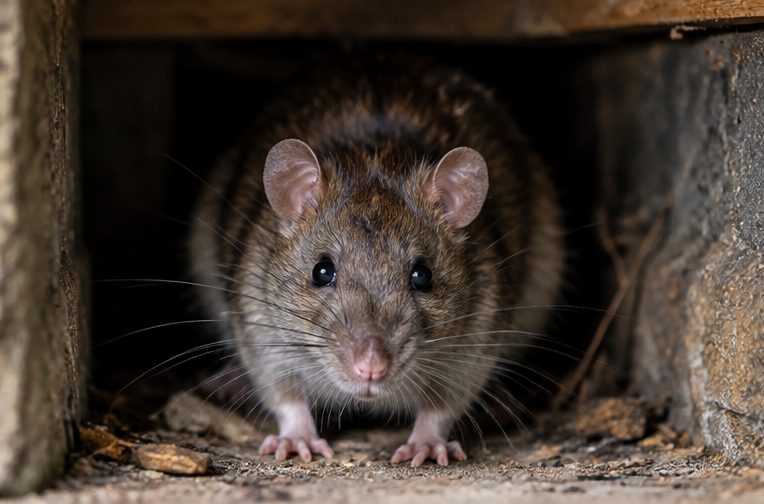
A hole that is not being used today may be used next winter, or by the next rodent to arrive. Once the live routes are closed, the rest of the list from your walk-round is worth dealing with too.
When you cannot find any live holes
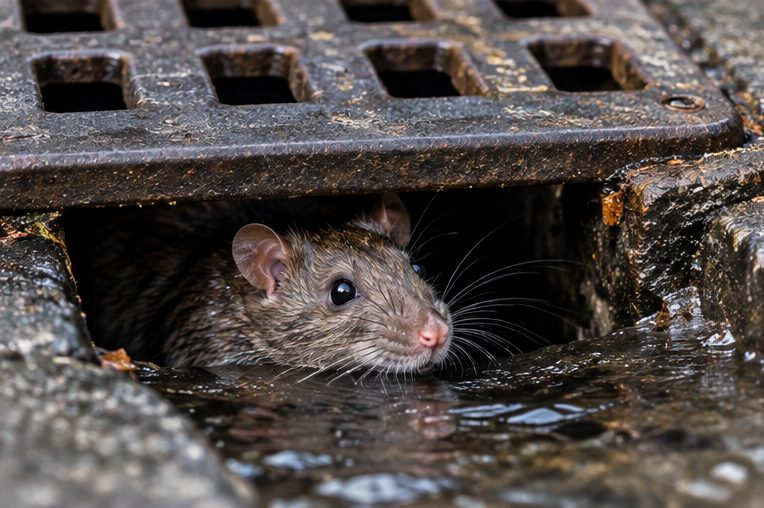
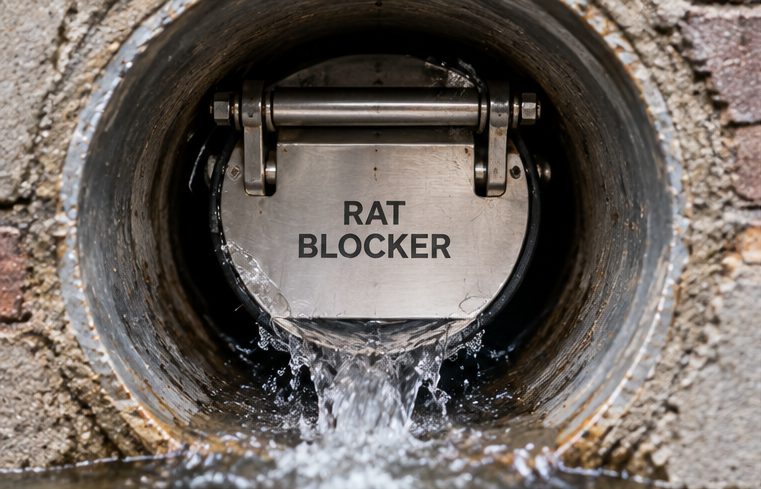
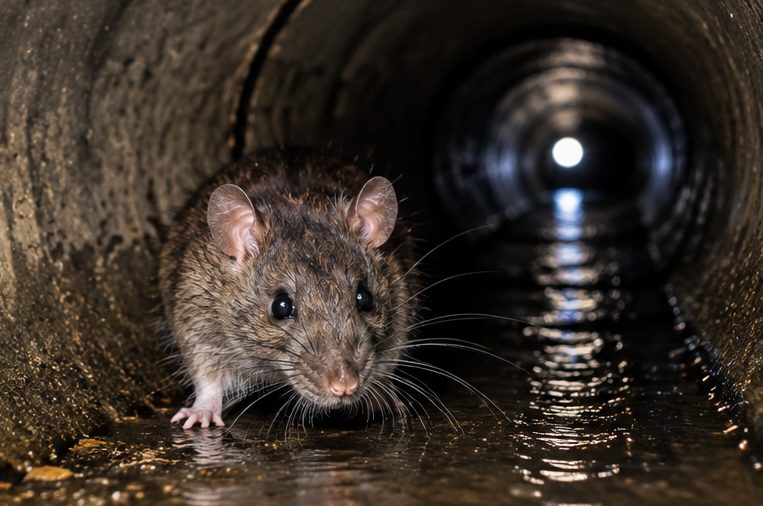
If there are clear signs inside but no routes you can find, the answer is often underground or hidden: a drain defect, a gap behind fitted units, or a route through a neighbour's property. See rats and drains and kitchen units.
Treatment first, then proofing
Use these tests to confirm activity has stopped before sealing anything — the right order. Our rodent proofing is £180 for up to one hour; book it here.