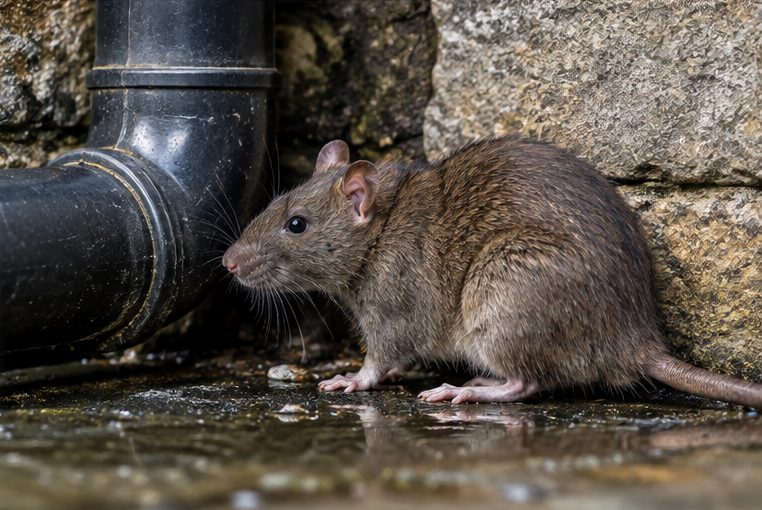
The short answer: usually after
If rats or mice are living inside the building, deal with them first and proof once activity has stopped. Proofing a property while rodents are inside shuts them in rather than out.
What goes wrong when you proof too early
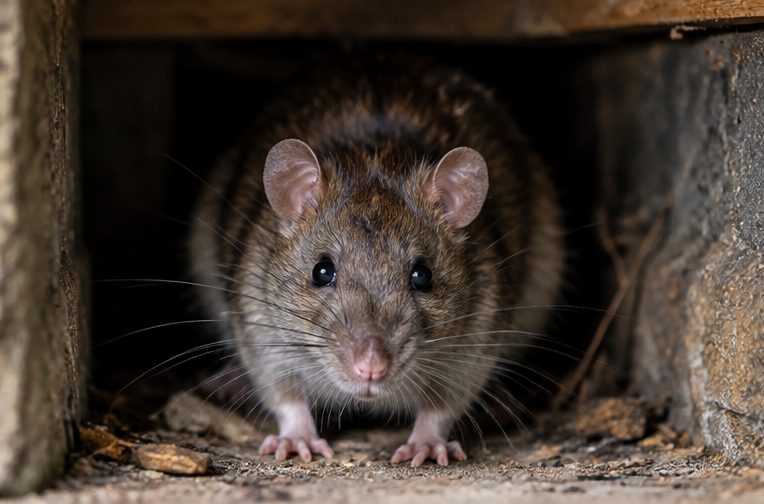
- Rodents trapped in walls and floors gnaw new exits — sometimes straight into rooms
- A rat that cannot get out to feed may die in a cavity, causing a lingering smell
- Trapped mice breed inside the voids
- The routes that would show where they come and go are hidden
The usual sequence
- Identify the problem and the likely entry points — see the most common entry points
- Treat the rats or mice — rat control or mouse control
- Watch for signs to confirm activity has stopped — why rat control takes time
- Seal the gaps — our rodent proofing service
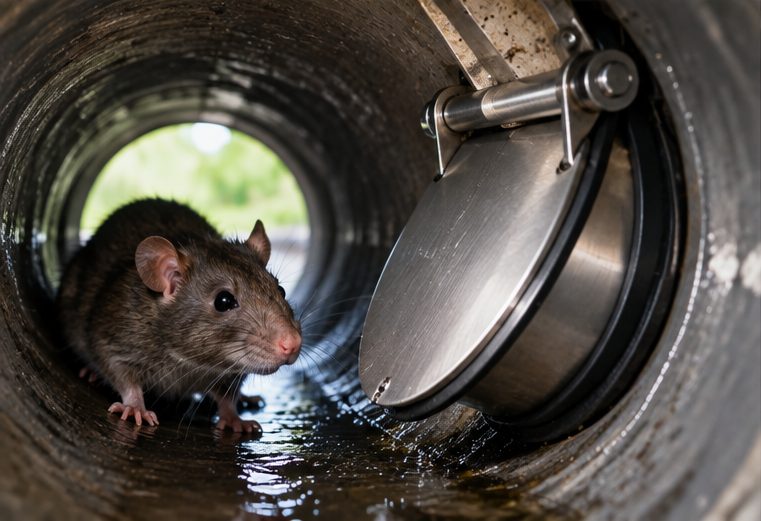
- Fix any drain defect separately with a drainage contractor
The exceptions
Some proofing can happen early. If a large hole is clearly letting new rodents in from outside — a broken air brick onto a garden full of burrows, for example — and there is no sign of activity on the inside of that route, closing it stops more arriving while the treatment works. Outbuildings with no connection to the house can also be proofed independently. When in doubt, ask.
How do you know activity has stopped?
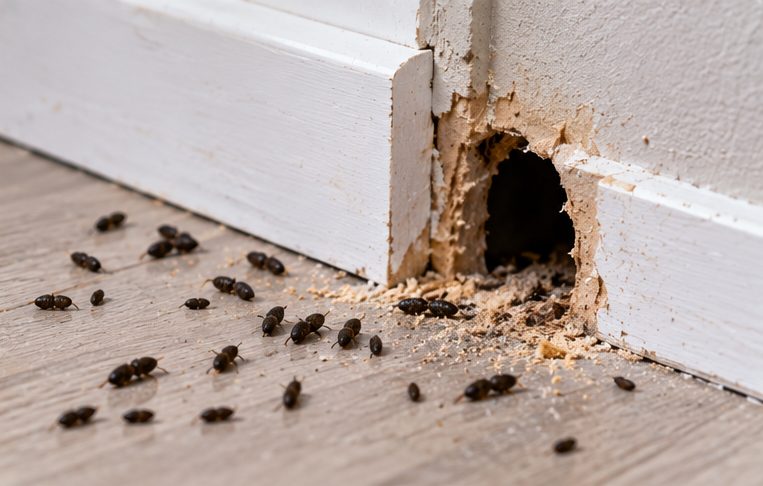
No new droppings, no fresh gnaw marks, food left out overnight untouched, and silence at night. Lightly dusting flour along a run, or loosely plugging a hole with paper and checking whether it is disturbed, both help — the method is explained in which holes rodents are actually using.
Why skipping proofing costs more
Treatment without proofing leaves the door open. It is the most common reason for rats coming back, and the reason mice return to the same kitchen each autumn.
Booking both
Rat or mouse control in Brent is £190 for a flat and £240 for a house; rodent proofing is £180 for up to one hour of small-hole work. Book rodent proofing, or book rat control first if the rodents are still active.