Rats
Rats Behind Finchley's Converted Houses
A period house near Finchley Central or East Finchley station that has become three flats still has the garden it was built with, usually a long strip running back to the gardens of the next street. Often the ground-floor flat has it to itself; sometimes it is shared, and sometimes nobody tends it much because each household assumes it belongs to someone else. An overgrown back half with an old shed, a pile of cut branches and a compost heap nobody turns is shelter a rat will happily use.
The bins in the side passage
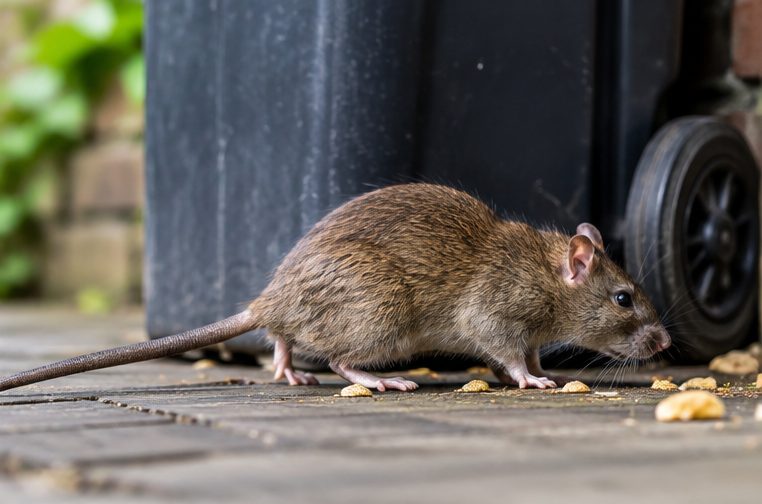
Three or four households mean three or four sets of rubbish, and in a converted house they usually go into bins lined up down the side passage. One split bag, a lid left open on a warm evening or food waste dropped beside a full bin can feed rats for the whole row. Because the bins belong to everyone, it is easy for nobody to notice the gnawed corner or the burrow opening under the paving next to them.
Whose job is the drain?
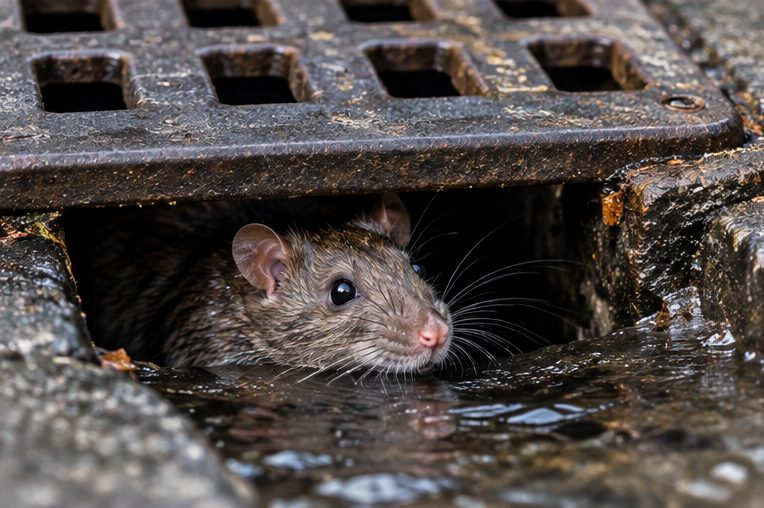
Where rats appear under a floor or in the bathroom with no hole outside, a damaged drain is a real possibility. In a converted house one drain usually serves every flat. As a general rule, drainage inside your property's boundary that serves only that building is the owner's responsibility, which in a leasehold conversion usually means the freeholder, while a sewer or a drain shared with neighbouring properties is generally the water company's, which here is Thames Water. How rats get into homes explains the drain route alongside the others.
What to Look For Around a Converted House
- Holes in the soil or under paving beside the bins in the side passage
- Gnawed corners on wheelie bins or food waste caddies
- Runs worn through long grass at the far end of the garden
- Droppings in the ground-floor kitchen, under the sink or behind the kickboards
- Scratching under the ground-floor flat's floorboards after dark
The guide to the first signs of rats describes droppings, smears and smells in more detail. Small droppings and noise in the ceilings of the upper flats point more towards mouse control in Finchley. Gardens on the western side that back onto Dollis Brook have their own pattern, which the Barnet-wide page covers.
What to Do Before Anyone Visits
- Tell the other flats, since the bins, the garden and the drain are shared and their habits matter as much as yours
- Keep every bin lid closed and stop leaving bags beside full bins on collection day
- Take in bird feeders and clear windfall fruit from the garden
- If you rent, let the landlord or letting agent know in writing; if you own, tell the freeholder
- Do not put poison down in a shared garden, where children, pets and wildlife from other flats can reach it
- Do not lift drain covers or push anything into the drain yourself
Booking Rat Control for a Finchley Flat or House
What to tell us
When you book rat control, say whether you are in a flat in a converted house, a whole house or a flat over a shop, which floor you are on, whether the garden is yours or shared, and where the signs are. If other flats have seen rats, mention that too, because it tells us whether the activity is in the garden, the building or the drain.
Preparing
Make sure the side passage and the garden can be reached, and ask whoever holds the key to a side gate to leave it open. Indoors, clear the cupboard under the sink and anywhere you have found droppings.
Afterwards
You will be told what was found, including whether the drain looks like a factor, so the owner or the water company can be contacted. How long it takes depends on the property and how settled the rats are; this guide explains what affects the timing. Get back in touch if you find fresh droppings or new burrows.
Keeping Rats Away From a Shared Garden
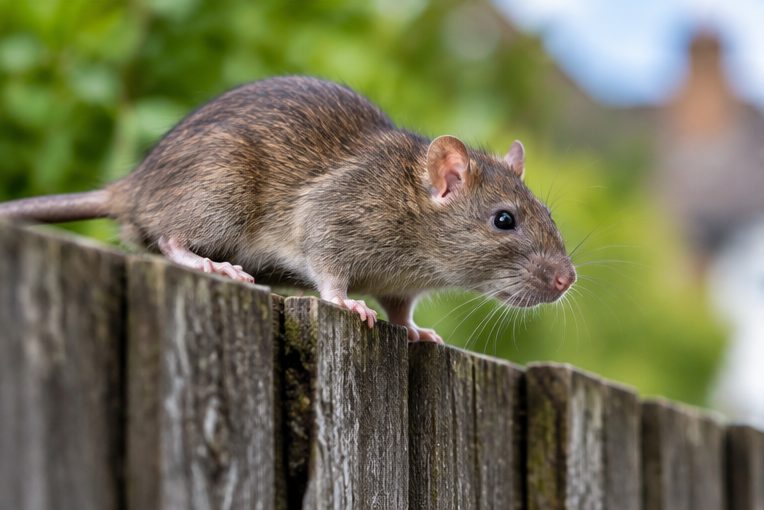
Agreeing a few habits between the flats does more than any one household can alone. Keep bins on hard standing with lids that close, cut back the overgrown end of the garden so there is less cover, and keep compost in a closed bin on a mesh base. Gaps into the building, such as a broken air brick or a hole where the ground-floor waste pipe leaves the wall, are closed by rodent proofing in Finchley, and why rats come back after treatment sets out what else to watch.
For rats elsewhere in the borough, including the brook corridors, see Rat Control Barnet.