Mice
Mice Between the Flats of a Finchley Conversion
When a Victorian or Edwardian house near the Northern line was divided into flats, the new walls and doors went in on top of the old structure. The floor void between the ground and first floors, the space behind the skirting and the runs where pipes and cables climb through the house were left connected. A mouse nesting in one of those spaces can reach the kitchens of two flats without ever crossing a landing.
The flat below and the flat above
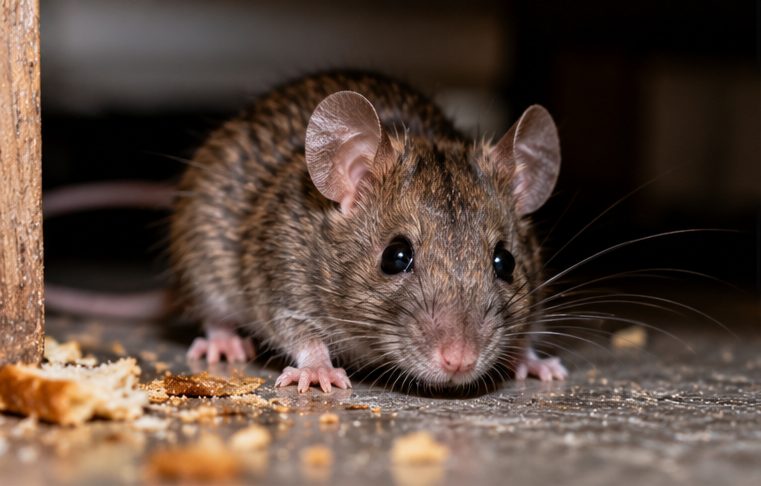
If you live upstairs, droppings in your kitchen may belong to mice living in the void above the ground-floor ceiling, which is effectively under your floor. If you live downstairs, the scratching overhead may be in that same void. Either way the mice are in a space neither flat can see into, and both households are likely to be feeding them without knowing. How mice travel between flats explains the routes.
The communal hallway and the meter cupboards
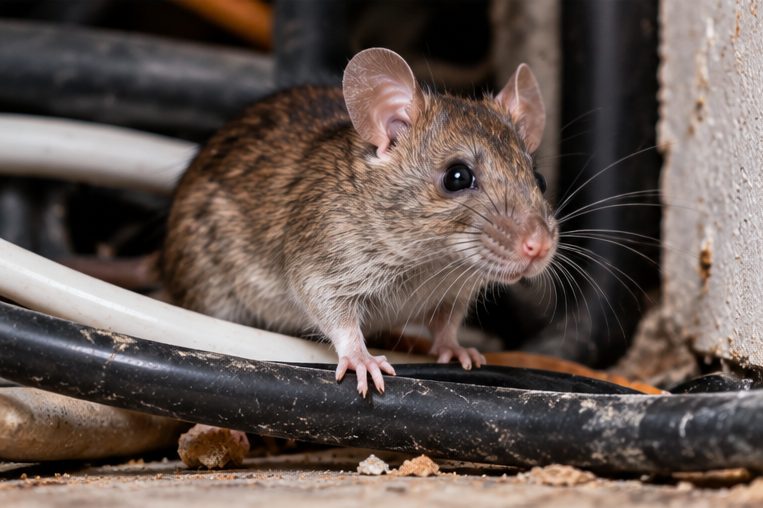
The shared entrance hall is where the gas and electricity meters for every flat usually end up, often in a cupboard under the stairs or boxed in beside the front door. The cables and pipes feeding those meters run under the floor and up through the building, and the holes cut for them are rarely filled. A meter cupboard nobody opens between readings is a quiet, dark spot with a route to every flat. Droppings on the floor of that cupboard are worth reporting.
Signs to Check in a Converted Flat
- Droppings at the back of kitchen cupboards on the wall shared with the stairwell
- Scratching in the ceiling or under the floorboards in the evening
- Droppings or chewed paper in the meter cupboard or under the stairs
- Nibbled packets in a cupboard next to where the heating pipes rise through the floor
- Droppings behind the fridge or cooker, where the pipes and cables come in
The signs of mice has pictures in words of each of these. Larger droppings in the ground-floor flat or around the bins outside may mean rats rather than mice.
What to Do While You Wait
- Tell the other flats and ask whether they have seen droppings, because mice in one flat are rarely in only one
- If you rent, tell your landlord or agent; if you own, let the freeholder or managing agent know about the meter cupboard and hallway
- Put dry food, cereals and pet food into sealed containers
- Do not block holes while mice are still active, or they may be shut in a void and chew a new way out
- Keep poison out of the shared hallway and meter cupboards, where other people's children and pets pass
Booking Mouse Control for a Finchley Flat
What to mention
When you book a visit, say which floor your flat is on, how many flats share the house, which rooms have signs and whether neighbours have noticed anything. If the meter cupboard or hallway has droppings, say so, because those are shared areas and whoever manages the building may need to arrange access.
Getting ready
Clear the cupboard under the sink and the base cupboards along the outside or stairwell wall, and move the fridge forward if you can. If the meter cupboard is locked, find out who has the key.
Afterwards
You will be told what was found and where the mice seem to be coming from. How long it takes depends on the building and how established they are; how long mouse treatment takes explains more. Get in touch again if new droppings appear after a quiet spell.
Keeping Mice Out of a Divided House
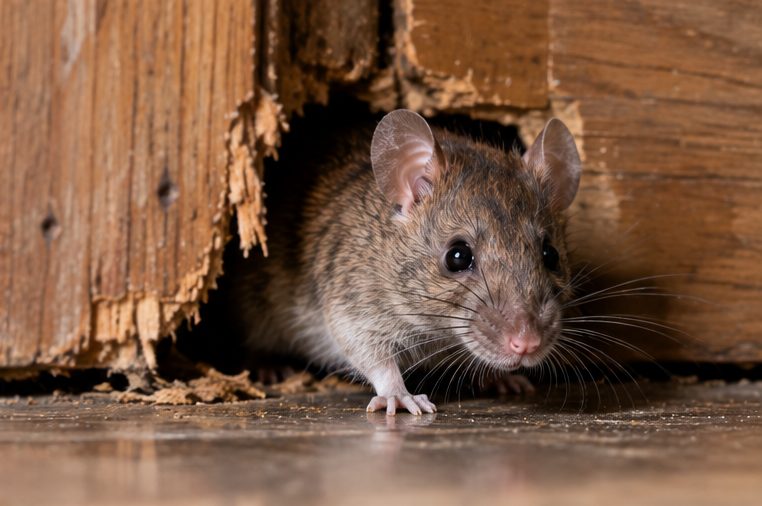
Once the mice have gone, the gaps where pipes and cables pass between flats and into the meter cupboard are what matter. Holes inside your own flat can be sealed with rodent proofing in Finchley; holes in the hallway, meter cupboard or structure are the freeholder's to authorise. Why mice keep coming back explains why one untreated flat can undo the rest.
The Barnet-wide page, Mouse Control Barnet, covers mice in the borough's other building types.