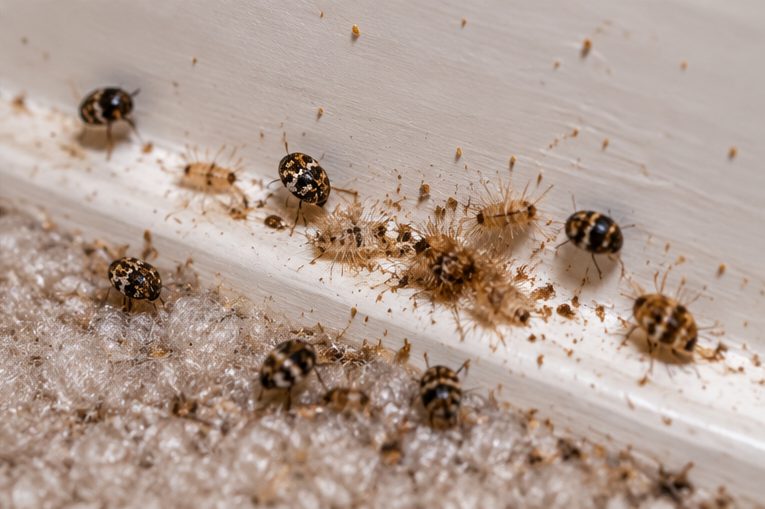
Spiders
Why Spiders Gather in Finchley's Lower Flats
Spiders follow insects, and insects gather at ground level, in plants, soil, damp paving and the light from windows. A flat at or below ground level in a converted period house has all of that on its doorstep. Its windows open onto the garden or front path, its walls meet the soil, and its rooms are often cooler and quieter than the rest of the house. What attracts spiders into a property explains the pull.
Basement flats
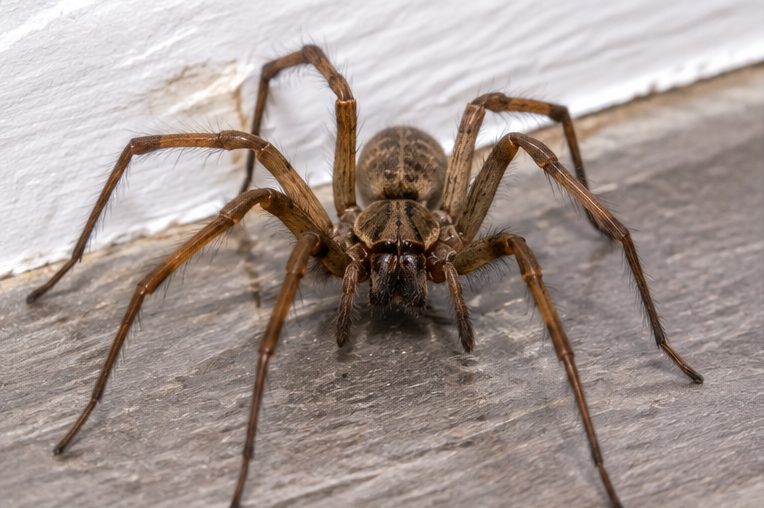
Where a house has a lower-ground or basement flat, the front windows may look out onto a small sunken area with steps down from the path. Leaves, damp and insects collect there, and so do spiders, which then find their way in round the window frame or under the door. Rooms with little light and some damp suit the insects that spiders eat.
Ground-floor flats with the garden
The ground-floor flat usually has the back garden, a door or French windows onto it and perhaps a shed. Webs build up around the garden door, the corners of the kitchen in the rear addition and the window reveals. Where the suspended floor has gaps at the skirting, spiders use the void beneath.
False widows round the frames

The noble false widow is a glossy, dark brown spider with a rounded body that likes gaps around window frames and door frames. Bites are uncommon and are usually likened to a wasp sting. If a bite swells badly or looks infected, speak to a pharmacist or GP, and call 999 for signs of a severe allergic reaction. Are there dangerous spiders in Barnet homes? has more.
Autumn Visitors or a Real Build-Up?
In late summer and autumn, male house spiders wander in search of a mate and turn up in baths and running across floors. A few each autumn is normal in a garden flat. A build-up is different: webs, egg sacs and spiders in the same rooms week after week. Why spiders keep appearing in the same rooms helps you tell the difference.
What Treatment Can and Cannot Do
Treatment is aimed at the rooms where spiders have built up and can bring numbers down. It will not stop spiders walking in from the garden or the front area, and it does not change the damp or the insects that drew them. If lots of spiders are feeding on another pest, such as carpet beetles or small flies, that needs dealing with too, as whether lots of spiders mean another pest explains. Ants trailing across a garden flat's kitchen are covered on ant control in Finchley.
Before and after the visit
- List the rooms with webs and spiders, leaving out the hall
- Pull furniture a little away from the walls in those rooms
- Say if the flat is below ground level or opens onto the garden
- Mention where you have seen false widows
Spiders from outside will still appear now and then, especially in autumn and after a spell of wet weather. If they build up again in the treated rooms, get back in touch and tell us which rooms.
Fewer Spiders in a Lower Flat
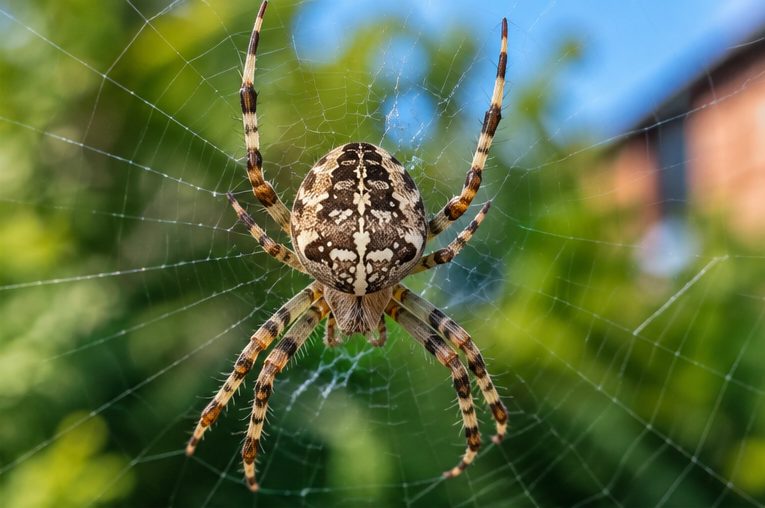
- Sweep leaves and debris out of the front area and away from basement windows
- Fit brush strips to the bottom of the garden door
- Use a dehumidifier or open windows to cut damp in basement rooms
- Clear webs and egg sacs from window reveals every few weeks
- Cut back plants that touch the window frames
Reducing spiders around windows and doors has more, and Spider Control Barnet covers the rest of the borough.