You have always had them
Almost every house has a resident population of spiders living quietly in corners, behind furniture and under floors. Most are small, slow-moving and sit in the same web for months without anyone spotting them. A sudden ‘invasion’ is usually those same spiders becoming visible, plus a few newcomers from the garden.
September and October: the males go walkabout
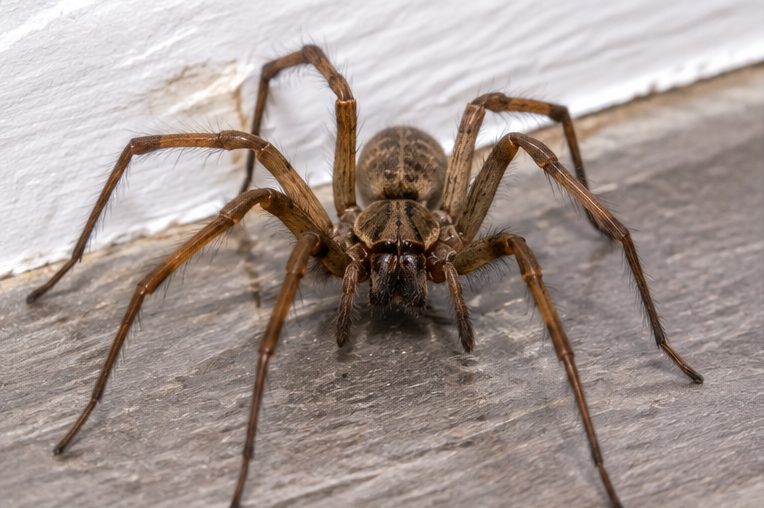
The big, leggy spiders that race across the carpet in the evening are usually house spiders of the Eratigena and Tegenaria group. For most of the year they stay tucked into funnel-shaped webs in quiet places. From late summer, and above all through September and October, mature males leave their webs to search for females. They cover a lot of ground, mostly at night, which is why they turn up on landings, bedroom floors and the back of the sofa.
Females mostly stay put. Many of the roaming males die once the mating season is over, so sightings normally tail off by late autumn without anyone doing anything.
Why they end up in the bath
A spider in the bath has almost certainly fallen in rather than climbed up through the plughole. The water sitting in the trap under the plug is a barrier, and there is nothing in the waste pipe to climb. The smooth, curved sides of a bath or basin are the real problem: house spiders cannot grip enamel or acrylic, so they stay stuck until someone finds them in the morning. A towel or a strip of card hung over the edge gives them a way out overnight.
Weather and warm evenings
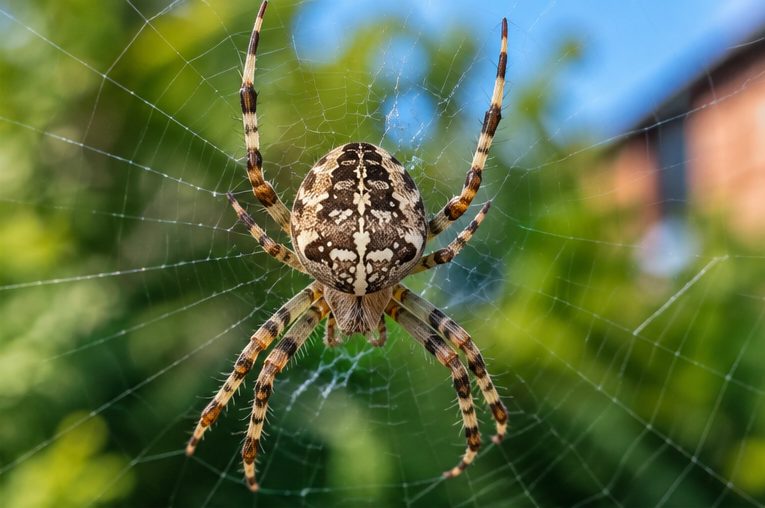
Mild, damp autumns keep insects active for longer, and spiders stay active for as long as their food does. Doors and windows left open on warm evenings let in both the insects and the spiders hunting them. After the first proper cold spell, indoor sightings often drop.
Signs it is more than a seasonal spike
- Webs reappearing in the same corners within days of being cleared
- Several spiders of different sizes in one room, including small young ones
- Round, silky egg sacs in webs in a cellar, garage or storage room
- Plenty of flies, moths or other small insects in the same space
- Numbers staying high through winter and into spring
If that sounds like your home, the reason usually lies in the building and what is feeding them. What attracts spiders into a property goes through the common causes, and why spiders keep appearing in the same rooms helps you narrow it down.
Houses that see more of them

Homes with gardens, hedges and sheds close to the back door tend to get more autumn wanderers than a flat several floors up. Properties near water can have more midges and other flying insects on summer evenings, something to bear in mind in Alperton’s canal-side homes. In Preston, as elsewhere, spiders are one of several pests that come and go with the seasons.
What to do in the meantime
Catch the odd wanderer under a glass with a sheet of card and let it go outside, well away from the door. Leave a towel over the rim of the bath. Close garden doors at dusk during autumn, and run the vacuum along skirting boards and into corners once a week. None of this needs chemicals, and the peak passes on its own. House spiders look alarming at full stretch but are not considered dangerous; if you are unsure what you have found, are there dangerous spiders in Brent homes runs through the species.
When to ask for help
A few large spiders in autumn do not normally need treatment. Where spiders are building up in a particular room or outbuilding all year, spider control in Brent can reduce numbers in the rooms treated, priced at £180 for the first room and £60 for each additional room. Book a spider treatment and tell us which rooms are affected, or first read what professional pest control can realistically do.