A room that keeps supplying food

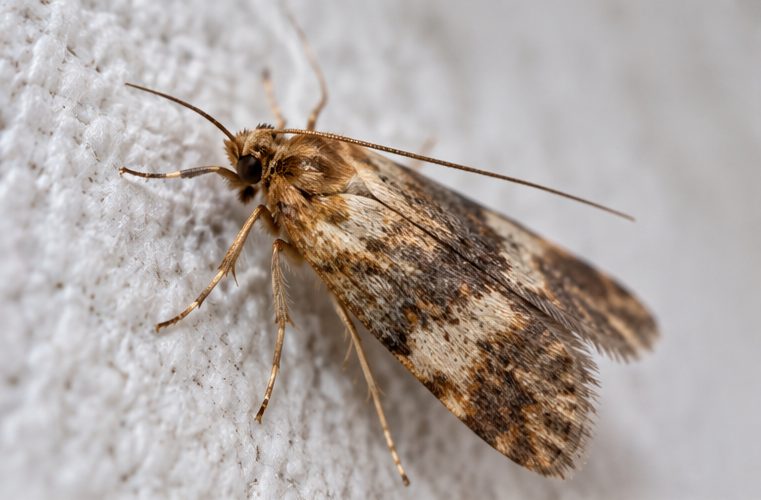
A spider settles where insects keep arriving. A room with a window that is often open, a door onto the garden or a bright light at night brings a steady trickle of flies, gnats and moths, and a web there will rarely go empty. The room that feeds them is the room they stay in.
A way in from outside
Some rooms simply sit closest to where spiders live outdoors. A back room facing a hedge, a ground-floor bedroom with ivy on the wall or a kitchen beside a shed will pick up more wanderers than a front room over a paved drive. Check the gaps in that room specifically: around the window frame, under the door, and where pipes pass through the wall. Reducing spiders around windows and doors covers the fixes.
Bathrooms
Bathrooms get a double dose. Damp around the bath, shower tray and basin suits small insects such as silverfish, and those draw spiders in. On top of that, any spider crossing the floor at night can slide into the bath and stay there until morning, so the room looks busier than it really is. An extractor fan left running long enough to dry the room helps with the first part; a towel over the rim deals with the second. Bath sightings peak in September and October, when male house spiders are roaming, so a busy bathroom in autumn alone is covered by why there are so many spiders in the house.
Spare rooms, box rooms and storage
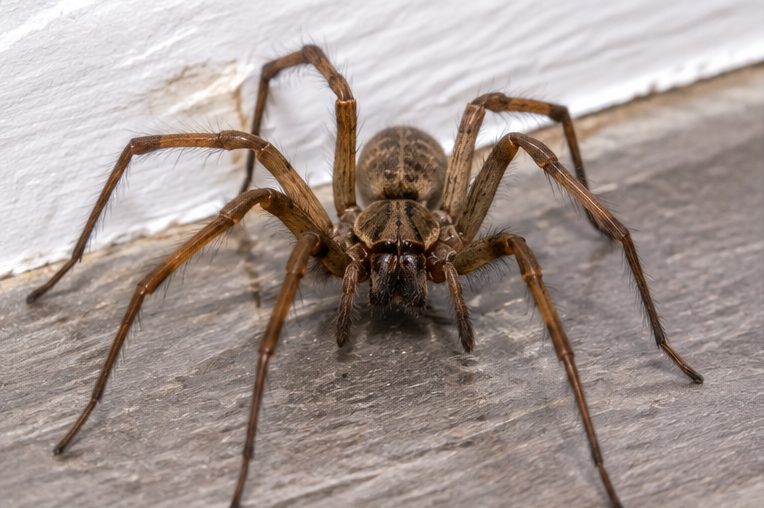
A room used once a month is, to a spider, a room that is never used. Boxes on the floor, bags of clothes, suitcases under the bed and furniture pushed tight against walls create shelter that stays undisturbed. Webs spread, egg sacs hatch, and the next generation settles in the same space.
Conservatories, porches and garden rooms

Glass rooms warm up quickly, stay lit into the evening and open onto the garden, so they collect insects and the spiders follow. The join between a conservatory or extension and the original house can leave small gaps along the wall. Homes with extensions and decking, such as many in Queensbury, often show this pattern.
Cellars, utility rooms and garages
These rooms have the least foot traffic, the most stored clutter and often a little damp. Webs can survive for years if nobody clears them. In older terraces with cellars, such as those around Kensal Green, the cellar is often where webs build up the most.
What the room has in common
- Is there a light on in or just outside the room after dark?
- Is a window or door opened regularly?
- Is stored clutter sitting on the floor?
- Is the room damp, or does it get condensation?
- Are there other small insects about, such as flies, moths, silverfish or tiny beetles?
Two or three yeses usually explain it. If you are finding plenty of insects as well, read whether lots of spiders mean another pest problem.
Changing the room
Clear the floor, vacuum the corners and behind furniture every week or two, dry out damp patches, move bright bulbs away from that side of the house and close the obvious gaps. Give it a few weeks; webs that stop reappearing are the sign it is working. If the room still fills up, spider control in Brent treats the rooms you choose, costing £180 for the first room and £60 for every additional room, so a spare room and a utility room together would be £240. Book a treatment naming the rooms, and see how to stop spiders coming back for the longer view.