Set a realistic goal
The aim is a house where you see the occasional spider, not one where webs reclaim the same corners every week. Spiders arriving from outside is normal. Spiders breeding and settling indoors in numbers is the part you can influence.
Keep webs and egg sacs moving
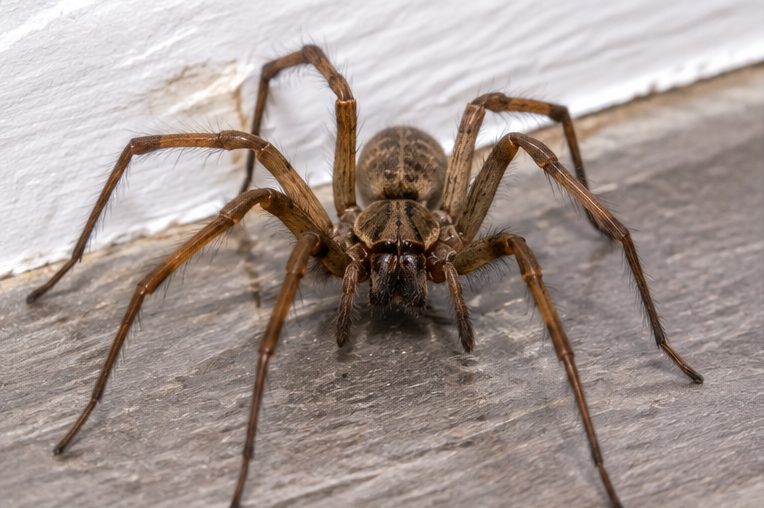
A spider whose web is vacuumed every week or two often moves on, or fails to catch enough to breed. Run the nozzle along ceiling angles, behind radiators, under beds and around the backs of cupboards. Pay particular attention to egg sacs, as one sac can hold dozens of eggs. Empty the vacuum outside or seal the bag before it goes in the bin.
Cut the insect supply
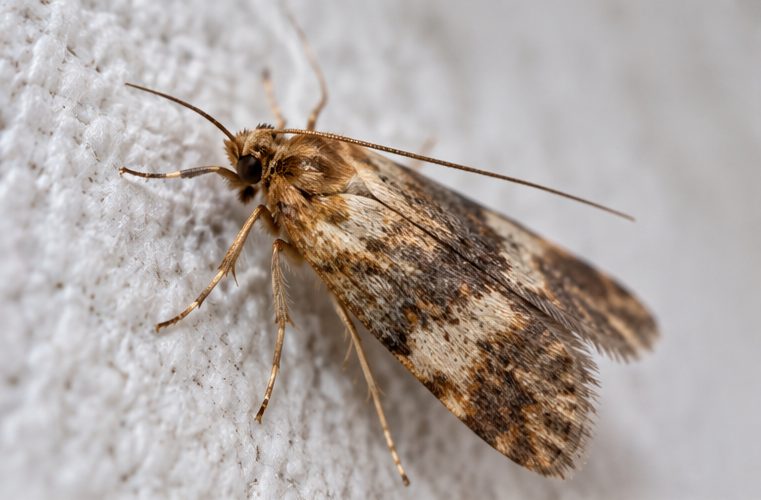
Fewer insects means fewer spiders able to stay. Keep bins lidded and away from doors, rinse recycling, fix dripping taps and leaks, and use extractor fans so bathrooms and kitchens dry out. If the insects you notice are small beetles or moths around carpets and wardrobes, compare them with the signs of carpet beetles before assuming they are harmless.
Store things so spiders cannot settle
Get boxes off the floor and into lidded plastic crates, especially in garages, cellars and under-stairs cupboards. Leave a small gap behind furniture that never moves. Shake out shoes, gardening gloves and coats that have hung in a shed or porch for a while. Larger period homes, like many in Dollis Hill, tend to have more cellars, box rooms and built-in cupboards to keep on top of.
Look after the outside edge

Trim ivy and shrubs back from walls, keep log piles and compost bins a few metres from the house, and brush down webs on fences, sheds and door frames. Deal with any gaps you find using the checklist in reducing spiders around windows and doors. Where decking sits against the house, sweep out underneath it as far as you can reach.
Get ready before autumn
Late August is the time to prepare for the house spider season. Check door brushes and window seals, clear out the garage and shed, put a towel on the bath edge and get into the habit of shutting garden doors at dusk. It will not stop the males wandering, but fewer of them will find a way in. Homes in Preston and across the rest of Brent follow the same seasonal rhythm, with wasps in late summer giving way to spiders in the autumn.
Remedies with little evidence
Conkers on windowsills, peppermint oil, vinegar sprays and plug-in repellers are widely recommended. There is no good evidence that any of them keeps spiders away for long, and none of them deals with the insects or the gaps that brought spiders in. If you like the smell of peppermint there is little harm in it, but do not rely on it. Strong sprays used around the house can also irritate pets and people with sensitive skin or breathing, so read labels carefully.
Check in once a season
A quick walk round every few months keeps small problems small. In spring, look at sills for carpet beetles and clear webs from sheds before the garden season. In summer, check fly screens and outside lights. In late summer, prepare for autumn. In winter, when spiders are least active, sort out storage and seal any gaps you noted during the year.
Where regular clearing is not enough

If a cellar, garage or storage room keeps filling up despite this routine, spider control in Brent can reduce numbers in those rooms; what professional pest control can achieve sets out the limits. The cost is £180 for the first room and £60 for each additional room. Book spider control once you know the trouble spots, and use why spiders keep appearing in the same rooms to pick them out.