The short answer
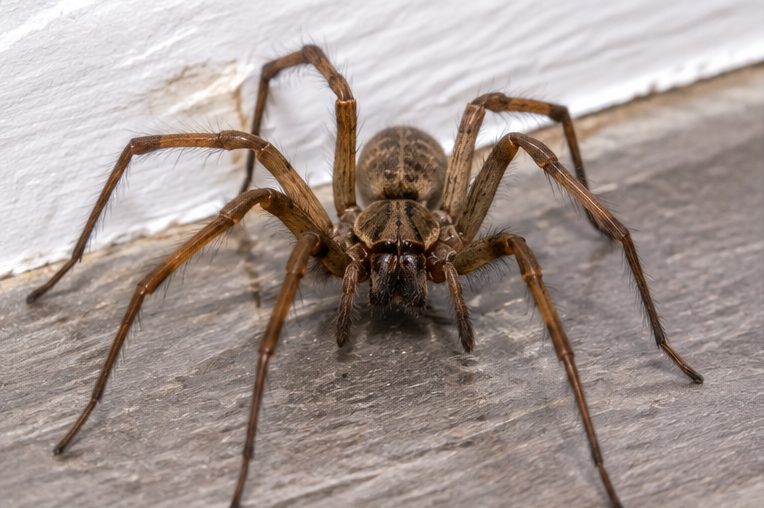
Britain has hundreds of spider species, and only a small number have fangs strong enough to break human skin. None of them is regarded as dangerous to a healthy person. Spiders do not go looking for people; bites happen when a spider is pressed against skin, for example inside clothing, bedding or a glove.
The noble false widow
Steatoda nobilis is the species that makes the headlines. It was first recorded in southern England well over a century ago and has spread widely since, including across London. Adults have a shiny, rounded, dark brown abdomen with cream markings and reddish-brown legs. They like window frames, porches, sheds, fences and outbuildings, where they spin messy, tangled webs. They are not aggressive and usually retreat when disturbed.
Other spiders that can nip
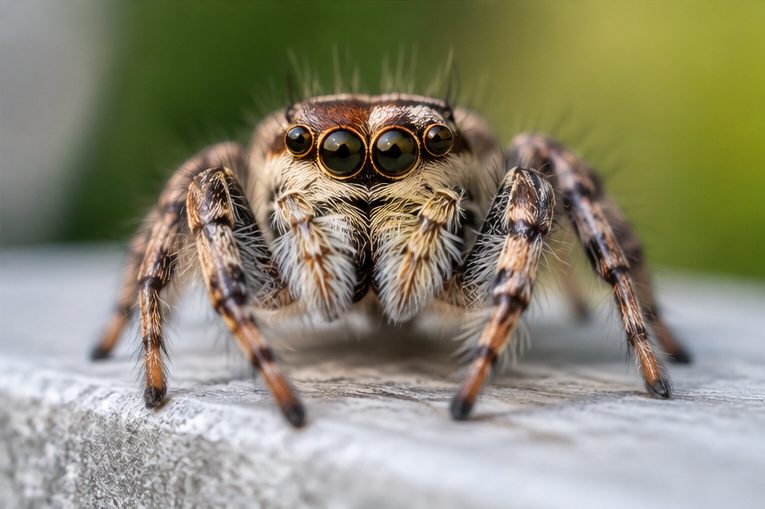
A handful of other UK spiders are able to bite, including the large house spiders, the cupboard spider (another false widow), the woodlouse spider found under stones and logs, and the tube web spider that lives in holes in old walls. Bites from any of them are uncommon. The daddy long-legs spider in the ceiling corner and the little jumping spiders on a sunny sill pose no problem. Money spiders, garden orb-weavers and zebra spiders are equally nothing to fear.
Is it really a spider bite?
Many itchy red marks blamed on spiders turn out to have another cause. Bites from fleas, bed bugs, mosquitoes and midges are far more common, and they tend to come in groups or lines rather than as a single painful spot. If you wake up with several bites, or keep getting new ones, how to tell bed bugs from fleas is a better place to start than the spider in the corner.
What a bite is like
Bites are rare. Most people who are bitten describe a sharp pain similar to a wasp sting, followed by redness and swelling around the spot, which usually settles by itself. Rarely, a bite becomes infected, or someone has a stronger reaction.
If you are bitten
Speak to a pharmacist or GP if you are worried about a bite, or if the pain, swelling or redness gets worse. Call 999 if there are signs of a severe allergic reaction.
Handling spiders safely
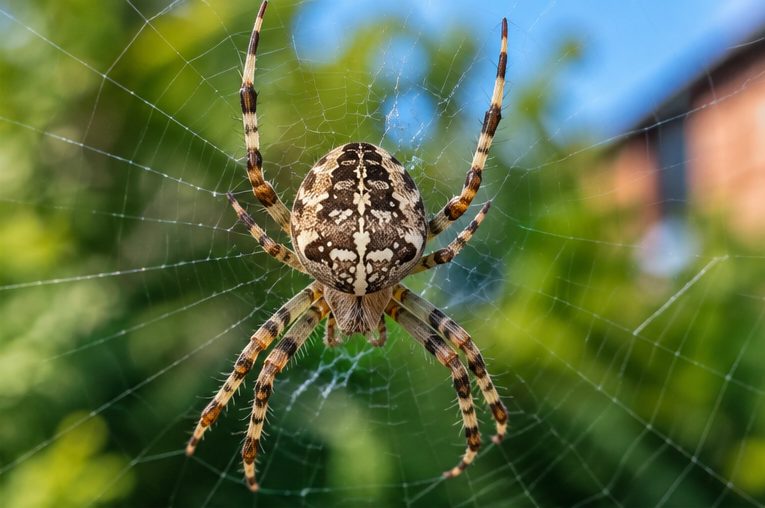
The simplest way to avoid a bite is not to pick spiders up with bare hands; a glass and a piece of card work better. Wear gloves when clearing out a shed, garage or window frame, shake out shoes, gloves and clothes left in outbuildings, and check towels or bedding that have been drying by an open window. Children are best taught to fetch an adult rather than grab a spider.
Where false widows turn up at home
Outside window frames and door surrounds are common spots, especially beside outdoor lights where insects gather. Sheds, garages, the underside of garden furniture and gaps in decking suit them too, worth remembering in gardens with decking and extensions like many around Queensbury. Where spiders hide inside homes covers the indoor spots, and reducing spiders around windows and doors deals with frames.
Worried about numbers?
One false widow is not a reason to worry. If they are established in numbers around a porch, conservatory or outbuilding that people use every day, spider control in Brent can reduce them in those areas, at £180 for the first room and £60 for each additional room. Book spider control and tell us where they are, or read whether pest control can reduce spider problems first. Itchy skin with no spider in sight may have another cause: carpet beetle larvae can irritate skin.