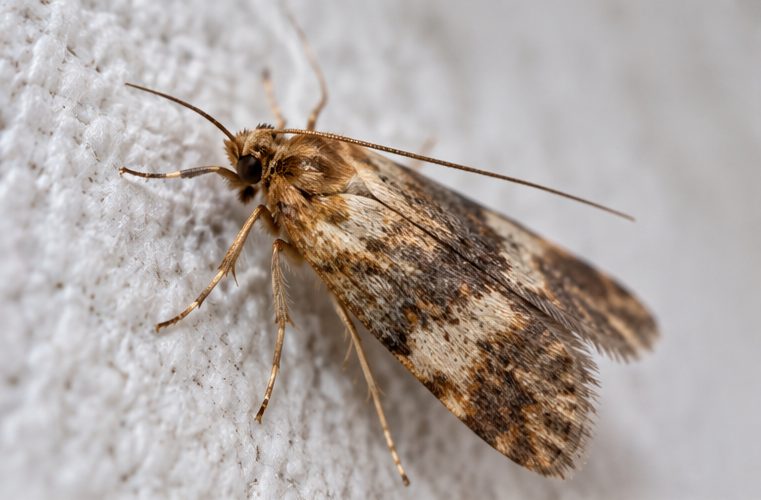
Why carpet moths do well in London homes
Carpet moth larvae eat wool and other animal fibres, and they need darkness and peace to do it. Period flats and houses with wool carpets, woven rugs, heavy curtains and packed wardrobes give them plenty to work with. Central heating keeps rooms warm all year, so breeding carries on through the winter. Spare rooms, furniture that has not moved in years, and vintage finds from markets and second-hand shops all give the insects a start. Adult moths can be seen in any season, though they are often most noticeable in the warmer months.
Spotting larvae damage early
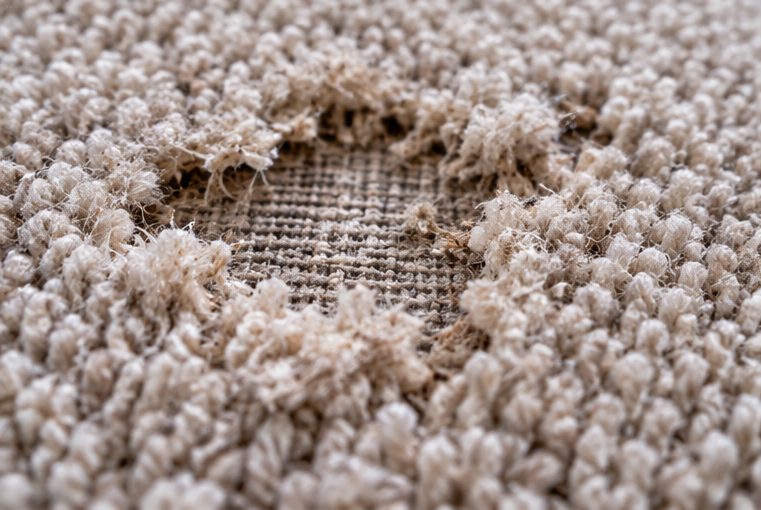
The adult moths are small and pale buff, and tend to scuttle into the pile rather than fly. The larvae do the harm, and the first signs are usually:
- A thin or bald patch at the edge of a carpet, behind a door or under a bed
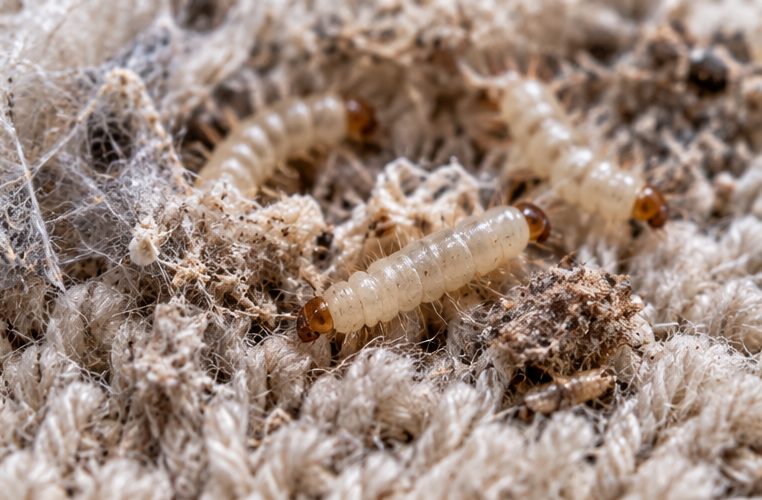
- Fine silk tunnels or webbing when you part the pile
- Small cream-coloured larvae, or the cases they live in, on the carpet or a wall
- Gritty specks the same colour as the carpet, which are the larvae's droppings
- Irregular holes in jumpers, scarves or blankets that have been put away
The signs of carpet moths and what carpet moth larvae look like show each one in detail.
Moths, beetles or wear?
Not every bare patch means moths. Carpet beetle larvae eat the same fibres but leave bristly shed skins rather than silk, and furniture feet, pets and damp can all wear a carpet thin. Why holes appear in a carpet helps you read the damage, and getting rid of carpet beetles covers the other culprit.
Check room by room
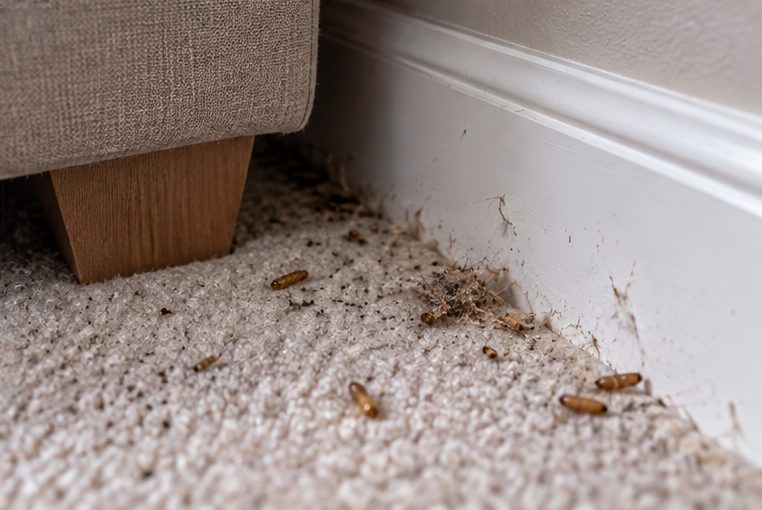
Work through the home with a torch, turning back the edges of rugs, moving small furniture and checking the carpet under beds, sofas and chests of drawers. Look in wardrobes, blanket boxes and the loft, where woollens, old rugs and suitcases tend to be stored. The worst damage is usually where the vacuum cleaner never reaches; see why carpet moths are found under furniture and where carpet moths hide.
Rugs
Take smaller rugs outside, shake or beat them, and vacuum both sides, including the fringe and the underside where larvae shelter. Turn rugs every few months so the same section is not permanently in the dark under a sofa. Valuable, antique or silk rugs are best cleaned by a specialist rug cleaner rather than at home. A badly eaten rug may not be worth keeping, but make that decision once the rest of the room is under control.
Carpets
Vacuum slowly and often, using the crevice tool along skirting boards, into corners and under furniture, and empty the cleaner outside when you finish. Shift heavy pieces now and then so no patch of carpet sits undisturbed for months. A fitted carpet with damage only at its edges can often be kept once the moths are dealt with. Give extra attention to the strip under a bed, the corners behind doors and the edge of a room where a sofa backs onto the wall.
Wardrobes and clothes
Empty the wardrobe or drawers, vacuum inside, and check each woollen or cashmere item for holes and larvae. Wash at the highest temperature the label allows, or have items dry-cleaned, then store them clean in sealed bags or boxes. Keep anything you are unsure about bagged and apart from the rest. Bags and boxes in the loft or under the stairs deserve the same check, because a forgotten wool coat can keep a population going for years. Carpet moths and clothes covers upholstery and precious pieces, and carpet moths or clothes moths explains why they are often the same insect.
Second-hand and vintage finds
Markets, charity shops and resale websites are a great source of wool rugs, blankets and coats, and an easy way to bring larvae home without knowing. Before anything comes inside, look at the underside and fringe of a rug, the seams and collar of a woollen garment and the underside of an upholstered chair. Clothes can be washed or dry-cleaned first; a rug can be vacuumed on both sides and aired outdoors. Keep new purchases apart from your other textiles until you are happy they are clear.
Mistakes to avoid
- Relying on lavender, cedar or mothballs alone to clear an infestation
- Treating pheromone traps as a cure; they catch male moths and are best used to monitor
- Putting unwashed woollens back into storage
- Cleaning one rug while the carpet under the bed is still affected
- Pulling up a whole carpet before finding out how far the larvae have actually spread
When to call, and cost
Call when damage turns up in more than one place, larvae keep appearing after cleaning, or valuable carpets and rugs are at risk. Getting the rooms ready is covered in preparing for carpet moth treatment, and stopping carpet moths coming back covers the habits that help afterwards. Carpet moth treatment in London is £180 for the first room and £60 for each additional room, so a bedroom and a living room come to £240. Book carpet moth treatment and tell us which rooms have damage.