Find the flight line first
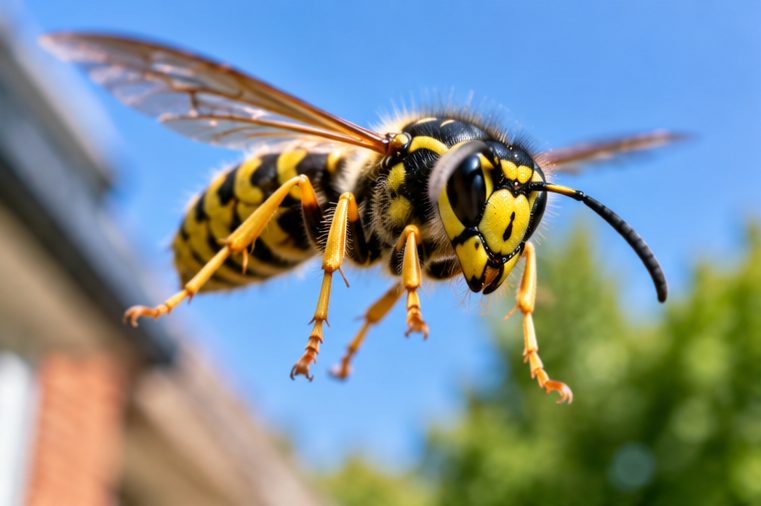
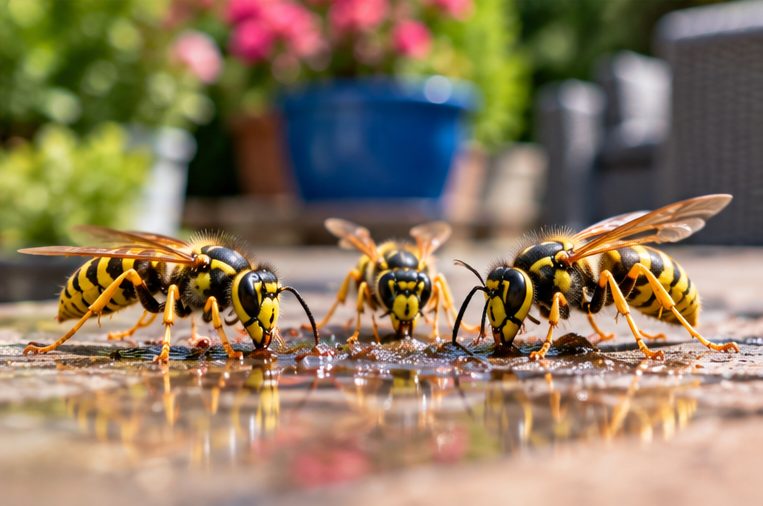
You rarely see a nest before you see its traffic. On a warm afternoon, stand well back and watch for wasps flying repeatedly to one point on the house or garden. That point is the entrance, and it tells you which of the sections below applies. Note the time of day and whether the wasps land and walk in or fly straight into a gap. How to know if you have a wasp nest explains the other clues, including the papery rustle of a large nest in a ceiling.
Interwar houses: eaves and lofts
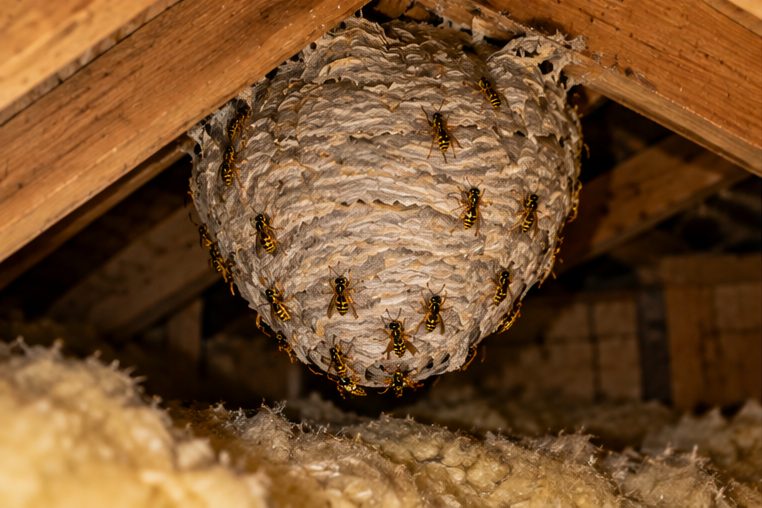
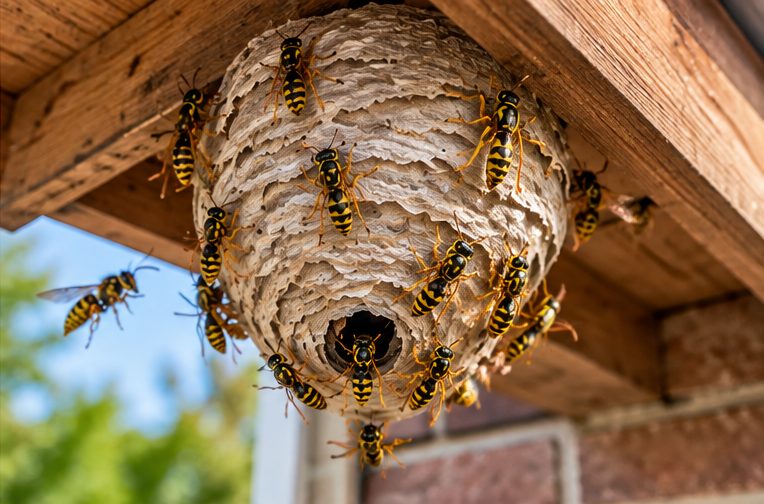
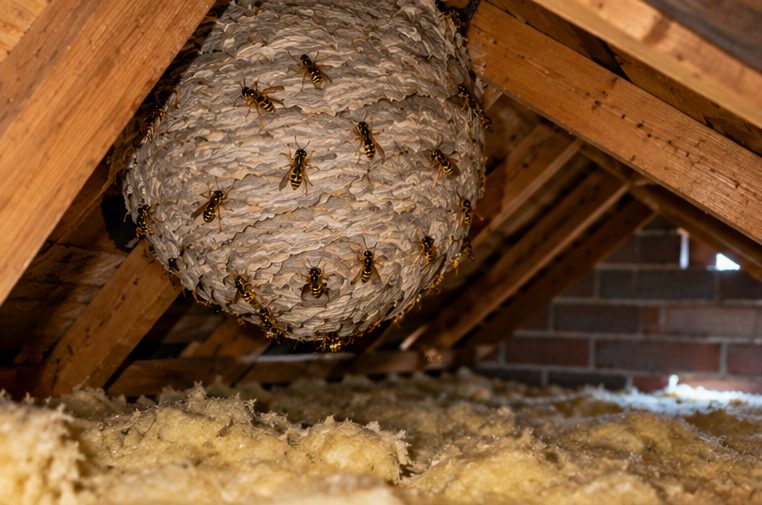
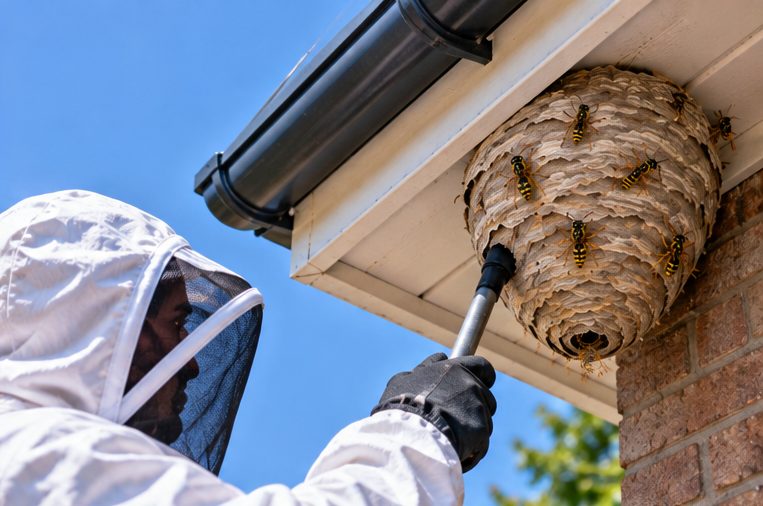
The 1920s and 1930s semis in Kingsbury, Preston and Kenton have long timber eaves, tiled roofs and big lofts. A queen gets in through a gap at the fascia or under a slipped tile and very often carries on into the roof space, where nobody disturbs the nest for months. If the wasps vanish under the roof line, or turn up at the top-floor windows, read what to do about a nest in the loft.
Older terraces: air bricks and pointing
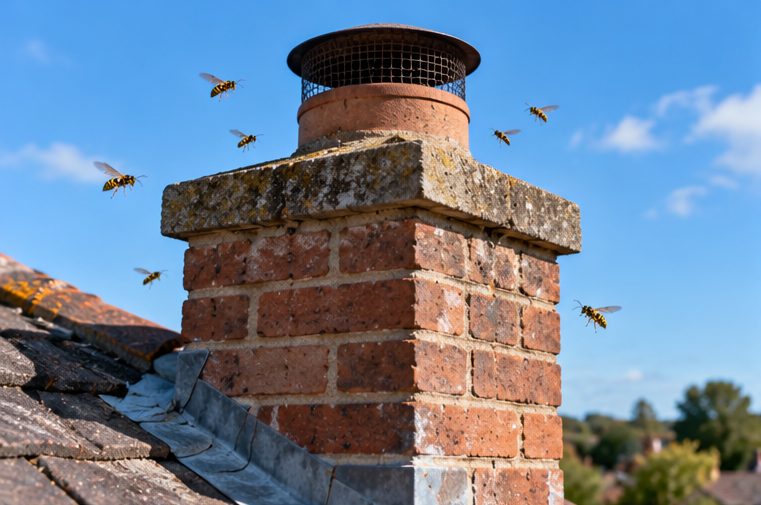
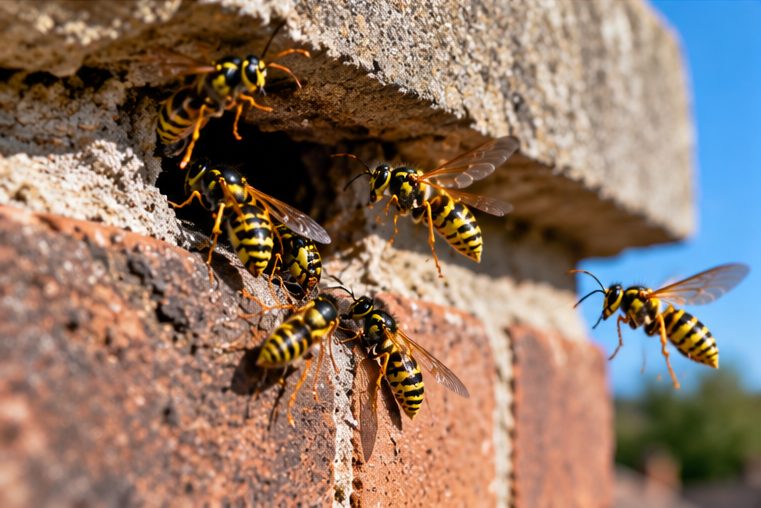
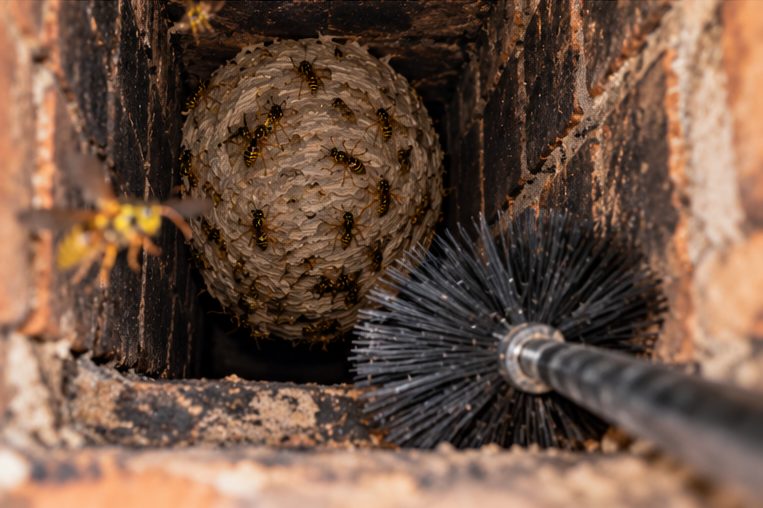
In the Victorian streets of the south, the entrance is often lower down: an air brick, a cracked vent or worn mortar between old bricks. Behind it lies a wall cavity or the void under the floor. Terraces in Kensal Green and Harlesden are typical. Do not fill the hole while the nest is active; can wasps nest inside walls explains why. A chimney that is no longer used is another hiding place on houses of every age; wasps appearing in a fireplace are the usual clue.
Sheds, bird boxes and decking
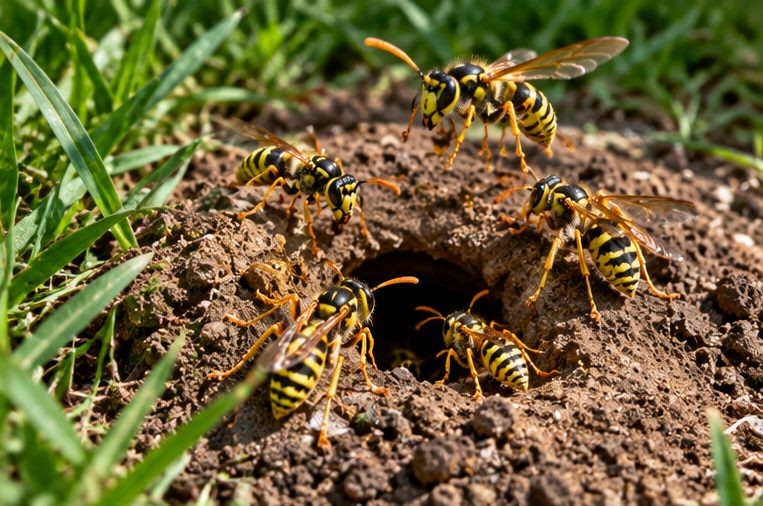
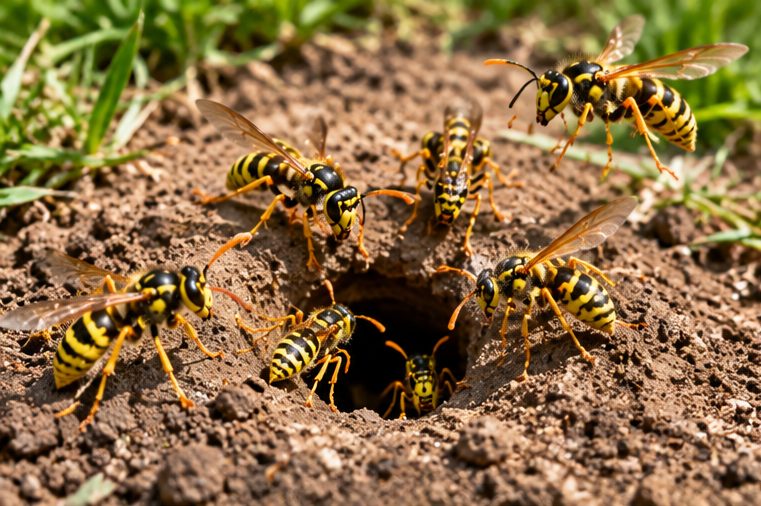
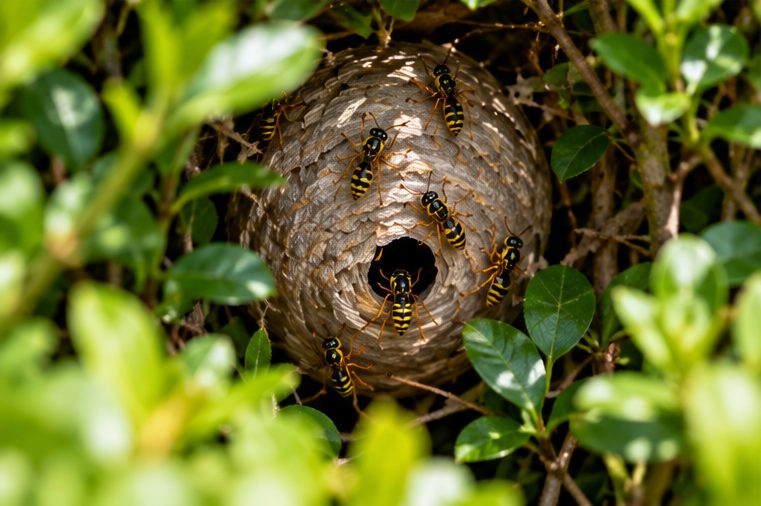
Garden buildings that are opened only now and then, empty bird boxes and the space under decking all shelter nests. Homes with raised decking and extensions, like many in Queensbury, can have a nest underfoot that nobody notices until the mower goes past. Bird boxes in the family gardens of Sudbury and elsewhere are worth a look from a distance before you clean them out. For anything at or below ground level, see what to do about a wasp nest in the ground.
Flats and balconies
Height does not protect a flat. Queens use gaps around balcony fixings, window frames and cladding on the blocks around Wembley just as readily as a roof tile on a house. If the nest is in a communal part of the building, let the managing agent know as well, since the entrance may be reached only from a neighbouring balcony or from outside the building. Every other spot worth checking is in where wasps build nests around houses.
Wasps or bees?
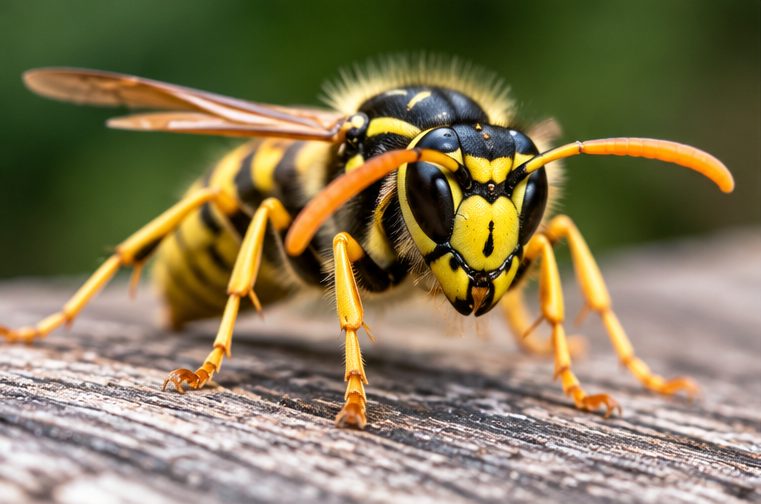
Bumblebees nest in bird boxes, under sheds and in lofts too, and they are dealt with very differently. Bees look furrier and move more slowly around the entrance. Check with wasp nest or bee nest before booking, and send a photo if you can. Honeybees swarming onto a branch are a different matter again, and a local beekeeper is the person to contact.
What to do today
- Keep children and pets away from the flight line
- Keep windows shut on the side of the house where the nest is
- Leave the entrance open and the nest untouched
- Clear sweet drinks and fallen fruit from the garden, which draw wasps in late summer
Tackling a nest yourself is not recommended, for the reasons in is it safe to remove a wasp nest yourself. If someone is stung, a pharmacist can advise; call 999 for signs of a severe allergic reaction, such as swelling of the face or difficulty breathing.
The days after the visit
Wasps coming home continue to fly in for a while, so the entrance will not go quiet the moment the visit ends. How long wasp nest treatment takes to work describes what normally happens and when to get in touch. Keep the doors and windows near the nest closed for a while, and sweep up any dead wasps indoors with a dustpan rather than bare hands, as a dying wasp can still sting.
Why late summer feels worse
In August and September the colony is at its largest, the queen has stopped producing young for the workers to feed, and those workers turn to sugar. That is why wasps crowd bins and drinks and seem quick to sting. It is also the worst time to disturb a nest, as why wasps are more aggressive in late summer explains.
Next summer
An old nest is never reused, but a spot that suited one queen may suit another. Once the nest is dead and winter has come, repair the gap that was used. Will wasps return after treatment covers the timing. Ant trails peak in the same months, and the ant overview follows those back to the nest.
Booking wasp nest removal in Brent
Wasp nest removal in Brent is £90 fixed price for a standard nest, and if the nest is still active within 30 days, we come back at no extra cost. The Brent wasp nest removal page has the detail. When you book wasp nest removal, say where the entrance is, how high it is and whether it can be reached from a garden or only from a neighbour's side.