Why identification comes first
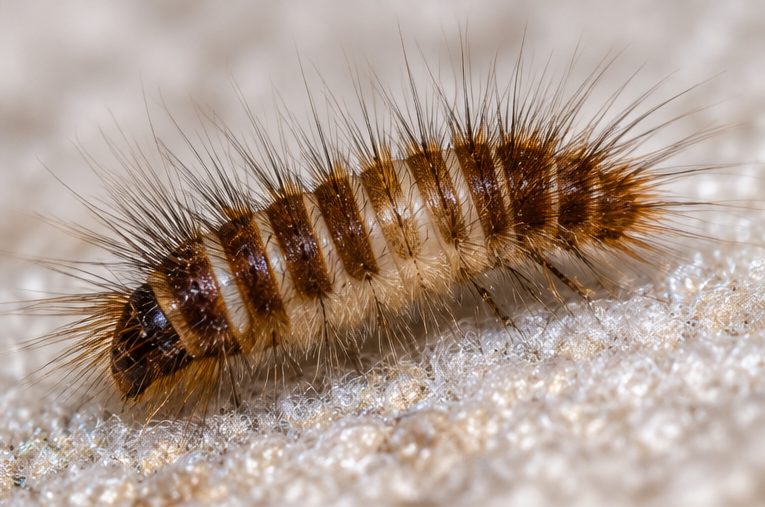
Carpet beetle larvae are easily mistaken for carpet moth larvae, for a stray caterpillar, or simply for fluff. Get it wrong and you search the wrong places. A clear look at one larva, or a sample in a sealed bag, answers the question before any time is spent on the rest. A magnifying glass or a phone camera zoomed in is enough. How to know if you have carpet beetles brings the clues together into a ten-minute check.
What the larva looks like
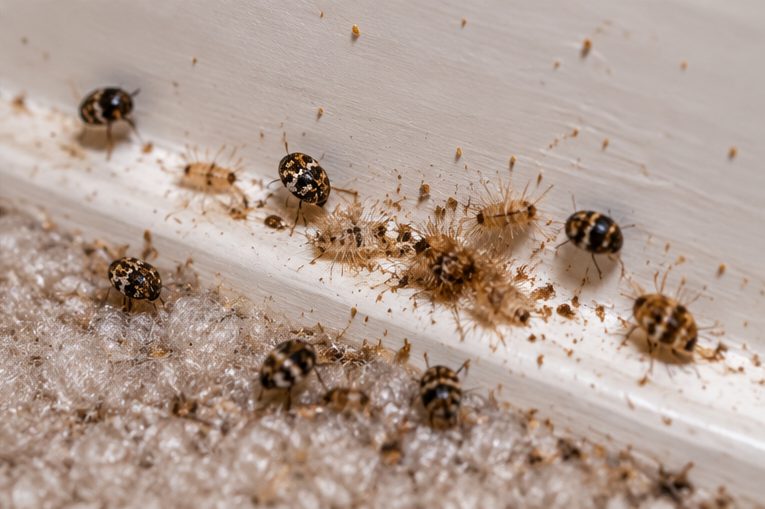
The larva is a few millimetres long, brown and banded, and covered in bristles that give it the nickname woolly bear. It moves slowly and curls up if disturbed. What carpet beetle larvae look like shows the details. If you also find empty, papery skins in drawers or along skirting boards, you are very likely looking at carpet beetles.
Ruling out the look-alikes
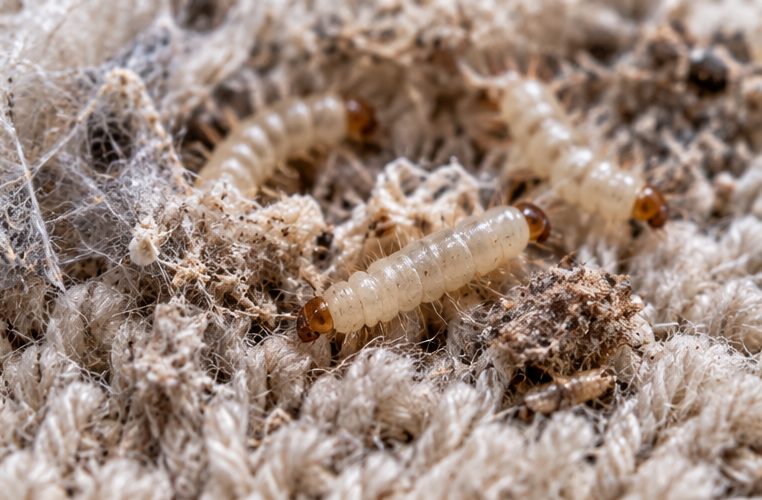
Carpet moth larvae are pale and smooth and leave webbing behind; carpet beetle larvae leave skins and no silk. Small brown beetles in a kitchen cupboard, near flour or cereal, are more likely stored-product beetles, which are a separate problem. Carpet beetles vs carpet moths compares them side by side. If the evidence points to moths, the carpet moth overview is the better place to start.
The beetles on the windowsill
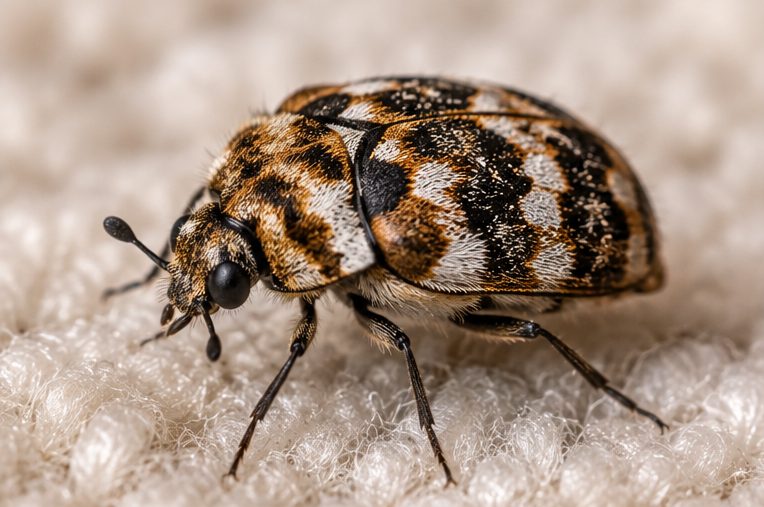
The adults are small, rounded and mottled, and in spring and early summer they gather on sunny windowsills trying to get outside to feed on pollen. They do not eat carpet themselves, but they have come from somewhere indoors, and more are likely to emerge from the same place while the larvae there are still feeding. Why carpet beetles appear on windowsills explains what a handful on the glass tells you. Keep an eye on which window they collect at, because the source is often in that room or the space above it.
Tracing the source: lofts and eaves
An old bird's nest in the eaves is a classic breeding site, and beetles work their way down through the ceilings. The interwar houses of Kingsbury, with large lofts and long eaves, are a common example. Where carpet beetles hide works through the house from the roof down. Warm airing cupboards, the space under a bath and the backs of rarely opened drawers are other spots on the list.
Floorboards, carpet edges and wardrobes
Lower down, larvae feed in the dust and fibres between old floorboards, under the edge of fitted carpet and in drawers of stored wool. Older houses with suspended timber floors, like many in Willesden, have years of fluff in those gaps. The damage carpet beetle larvae cause helps you judge how far it has spread, and carpet beetles in clothes and furniture covers what to do with affected items.
Homes worth checking closely
Houses with a lot of wool are the obvious ones: fitted natural-fibre carpets, rugs and stored blankets, as in many of the larger Edwardian homes of Dollis Hill. So are houses where birds have nested under the roof, homes with a spare room that is rarely vacuumed, and anywhere second-hand rugs or furniture have recently arrived.
Itching and rashes
Carpet beetles do not bite, but the bristles on the larvae can irritate some people's skin. If you have a rash or other symptoms, speak to a pharmacist or GP. Can carpet beetle larvae irritate your skin explains what is known. Because the rash can look like bites, it is easy to blame fleas or bed bugs first; finding larvae or skins near where the irritation happens is the stronger clue.
What to do now
- Keep one larva or adult in a sealed bag to confirm the identification
- Note every room where you find larvae, skins or damage
- Vacuum along carpet edges and floorboard gaps, and empty the vacuum outside
- Wash or bag affected clothes and keep them away from clean wardrobes
Treatment is priced by the room, so that note of rooms is useful when you get in touch. What happens afterwards, and why the timescale depends on the house, is covered in how long carpet beetle treatment takes.
Stopping them coming back
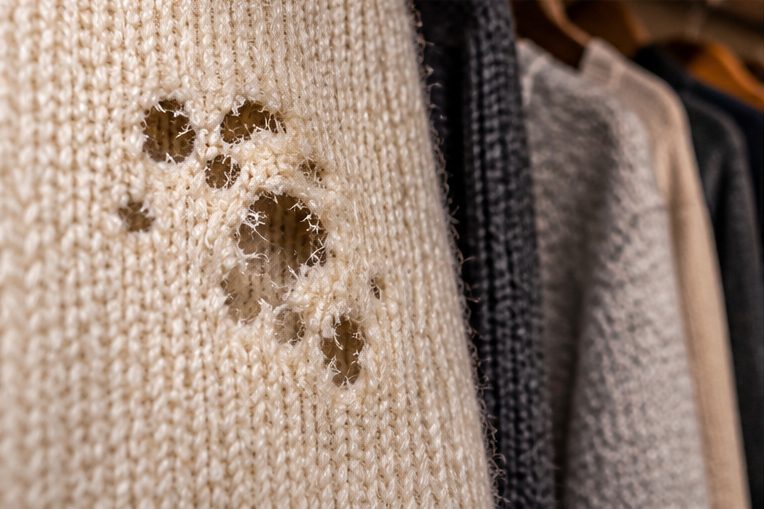
The aim is to remove what larvae feed on and check the places they breed. Clear old nests from the loft and the eaves, keep floorboard gaps and carpet edges vacuumed, store textiles clean and sealed, and look at the windows each spring. A wild bird's nest is protected by law while it is being built or used, so removing one, or closing the gap the birds used, has to wait until it is empty. Check second-hand rugs, cushions and wool furniture before they come in. Preventing carpet beetles returning turns this into a simple yearly check.
Booking carpet beetle treatment in Brent
Carpet beetle treatment in Brent is £180 for the first room and £60 for each additional room, so three rooms would be £300. See the Brent carpet beetle page for the detail, and when you book carpet beetle treatment, say where you found larvae and whether the loft may be involved. A photo of a larva or a shed skin, sent with your enquiry, helps confirm what you have.