Why larger period homes are at risk
The Edwardian houses of Dollis Hill and the big Victorian houses around the park in Queen’s Park tend to have more of everything moths like: natural-fibre carpets, antique or hand-knotted rugs, guest rooms that go weeks without use and wardrobes of wool that come out once a year. None of that means a home is neglected. It simply offers undisturbed food.
The order to work in is the same whatever the size of the house: confirm it is moths, protect the carpets, then the clothes, then the upholstery and rugs, then get the rooms ready for treatment and keep up a few habits afterwards. The sections below follow that order.
First, confirm it is moths
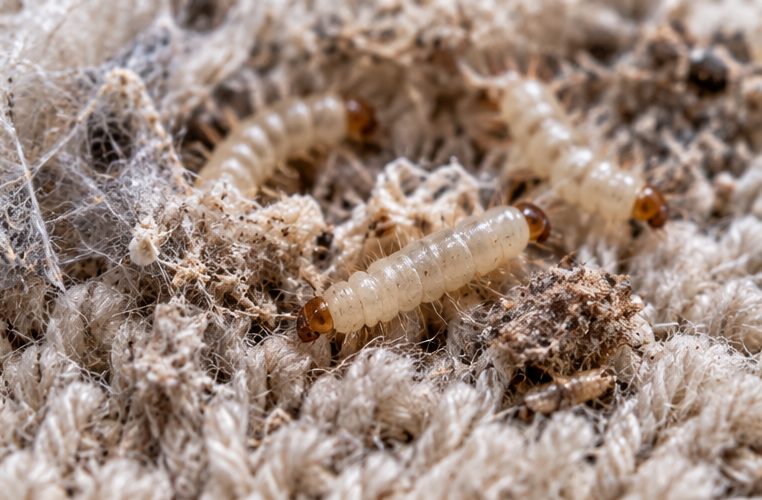
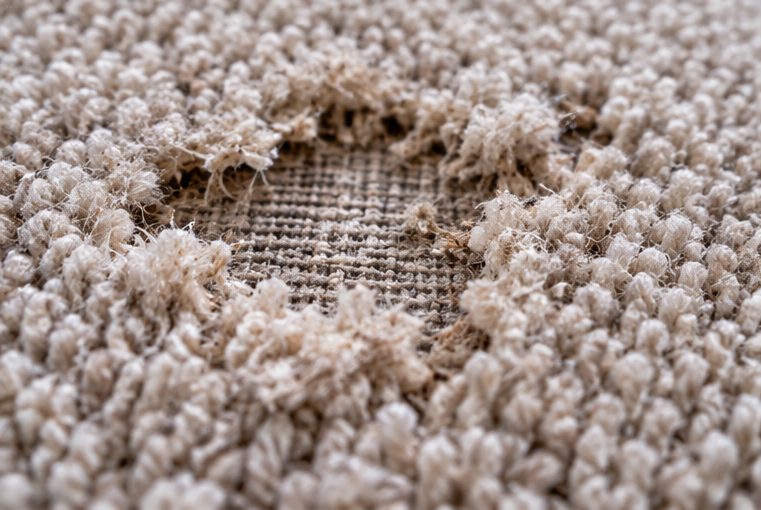
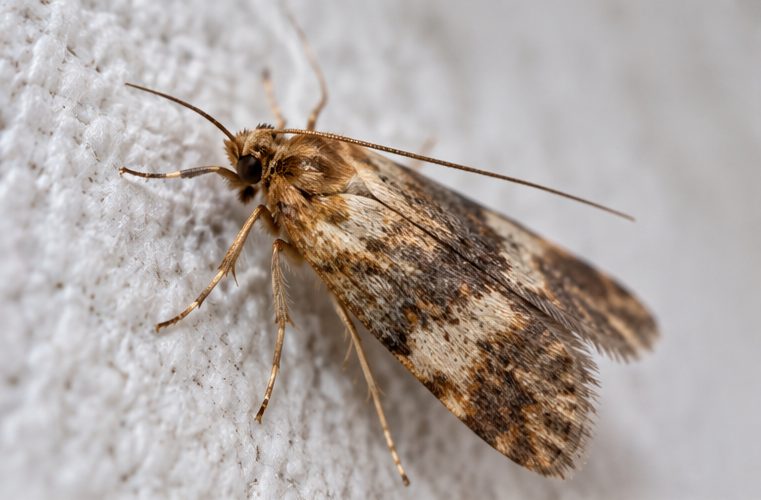
Small, dull, straw-coloured moths that run into the pile rather than fly, pale larvae, silky webbing and thinning patches all point to carpet moths. The signs of carpet moths explains each, and what carpet moth larvae look like helps if you have found something in the pile. Hairy brown larvae with no webbing are carpet beetles instead: see the carpet beetle overview.
Protecting the carpets
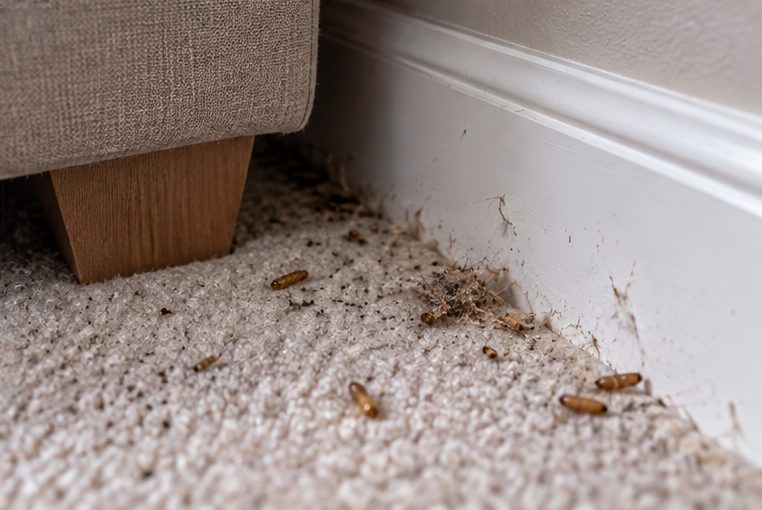
Damage starts where feet and the vacuum do not go: under beds and heavy furniture, behind doors, along the edges of fitted carpet. Why moths are found under furniture explains the footprint patches. Not every bald spot is moth damage, though, and why holes appear in carpet helps you rule out wear, pets and furniture castors.
Protecting clothes
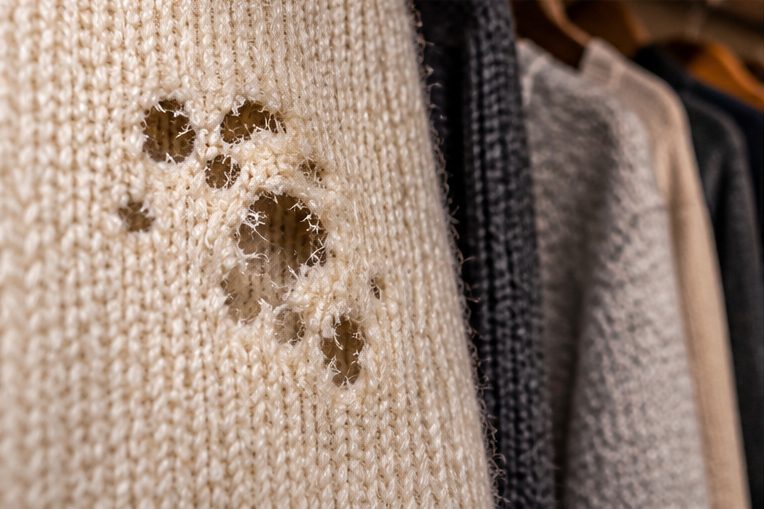
The same insects that thin a carpet make holes in jumpers, scarves and coats, and stored items suffer most because nobody moves them. Check wardrobes, drawers and blanket chests, especially anything wool, cashmere or silk put away unwashed. Can carpet moths damage clothes and furniture covers which items are at risk and what to do with them.
Upholstery, curtains and rugs
Wool-covered chairs, sofas with natural fillings, heavy curtains and loose rugs can all host larvae, often on the underside. Turn rugs over and look along the fringes, and lift seat cushions to check the seams and the base of the frame. If a rug or piece of furniture is valuable, tell us when you get in touch, and consider a specialist textile cleaner or conservator for the item itself, because pest treatment does not repair or clean a textile. Photograph any existing damage beforehand, which is useful for your own records and for checking whether it spreads. Keep any rug you are unsure about rolled and off the floor of an affected room until it has been looked at.
Carpet moths or clothes moths?
People often assume there are two different pests at work, one in the wardrobe and one on the floor. In most homes they are the same insects feeding in different places, which is why a problem in one usually reaches the other. Carpet moths or clothes moths explains the species and rules out pantry moths, which eat food rather than fabric.
Where else to look
Moths do not stay in the room where you first notice them. Lofts, under-stair cupboards, the gaps between old floorboards and a spare room piled with boxes are all worth checking. Where carpet moths hide goes through the house room by room. Old timber floors, like those in Willesden, hold fluff and fibres in the gaps where larvae can feed unseen. If you are moving home, check rugs and wool items before they go into the new house rather than after.
Getting the house ready
Treatment is priced by the room, so decide which rooms have signs before you book. Clear the floors, move what furniture you can, vacuum every edge and empty the vacuum outside, and wash, dry-clean or bag affected textiles. Keep bagged items out of the treated rooms until you are told they can go back. Preparing for carpet moth treatment has the checklist. Rooms that sit empty between lets or during building work are simpler still, because nothing needs moving out of the way.
After the visit
Moths can still appear for a while, because the life cycle does not stop on the day the rooms are treated, and how long that lasts depends on the house and the infestation. A pheromone trap gives a simple way to see whether numbers are falling. How long carpet moth treatment takes explains what normally happens. If the damage keeps spreading to new areas rather than slowing down, that is the point to get back in touch.
Habits that protect a home
- Vacuum under furniture and along skirting boards, not just the open floor
- Store woollens clean, in sealed bags or boxes
- Turn and move rugs from time to time, and air them
- Check second-hand rugs, furniture and vintage clothes before they come indoors
Stopping carpet moths coming back covers these and a few more.
Booking carpet moth treatment in Brent
Carpet moth treatment in Brent is £180 for the first room and £60 for each additional room, so a bedroom and a dressing room would be £240. The Brent carpet moth page has the detail. When you book carpet moth treatment, mention any rugs or textiles you are worried about, and which rooms are used only occasionally.