Why Rats Follow Kingsbury's Back Gardens Indoors
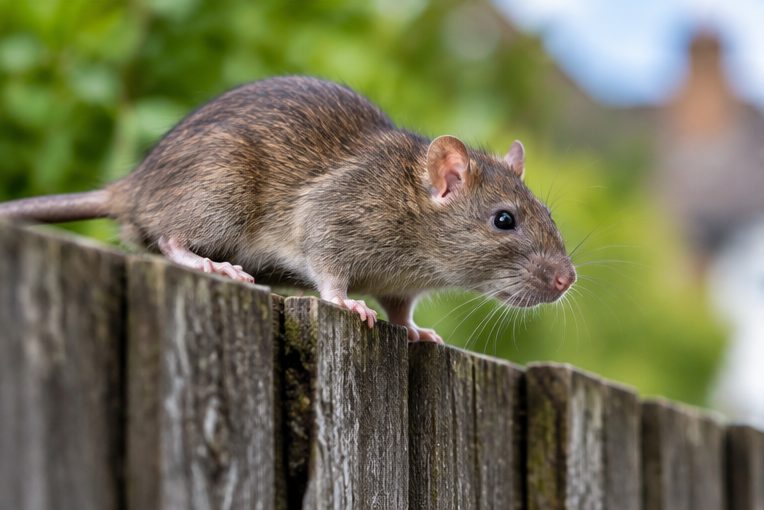
These houses were built on generous plots, and decades of planting have filled them with hedges, fruit trees and ivy-covered fences. Where gardens back onto each other, the boundaries form a sheltered corridor from one end of the block to the other. A brown rat does not have to live in your garden to use it; it may nest several plots away and pass through at night.
Sheds, decking and compost bins
Timber decking laid close to soil, the dry hollow beneath a shed floor and the warmth inside a compost bin all make good nesting spots next to food. Bird feeders supply that food: seed dropped on a lawn or patio feeds rats as readily as birds, and so do apples and pears left lying under old trees. One sighting outdoors is not proof of a problem indoors, and what a garden sighting does and does not mean is worth reading before you worry about the house.
From garden to house
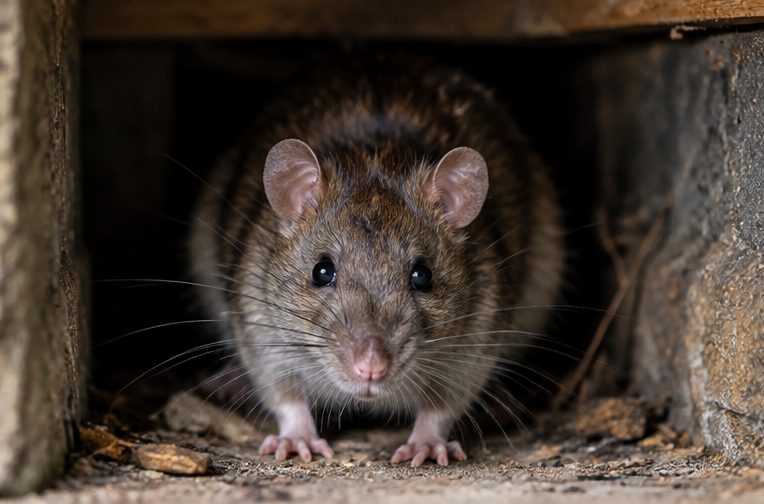
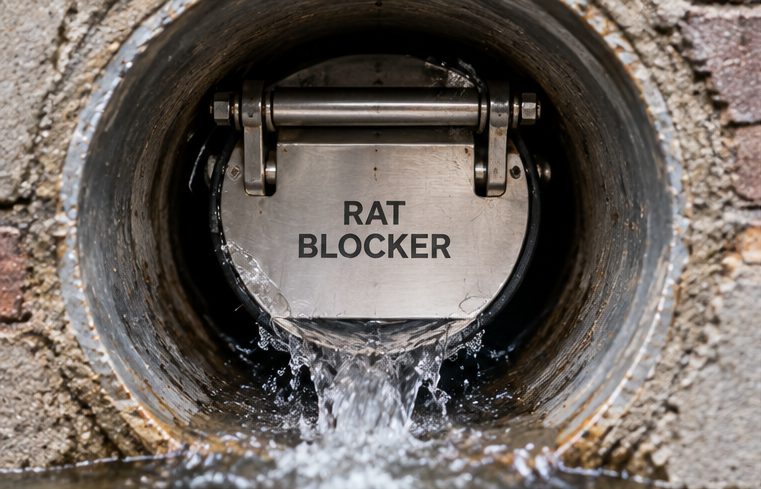
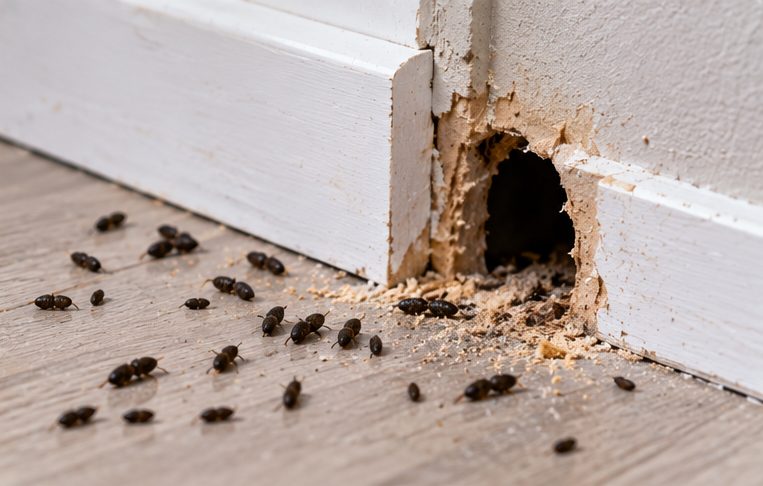
The move inside tends to happen at the back and side of the property. An old air brick with a cracked or missing grille opens straight into the void under a suspended timber floor. The joint where a rear kitchen extension meets the original wall can leave a gap at ground level, particularly where the two floors were built decades apart. An attached or side garage, with a worn door bottom and pipes running through to the kitchen, is a quiet way in that nobody checks. A damaged drain is also possible where there is no gap outside. How rats get into homes covers every route.
Signs to Check Around a Kingsbury House
- Burrow holes along the edge of decking, beside the shed base or next to the compost bin
- Flattened runs at the foot of a fence or hedge between neighbouring gardens
- Droppings or gnawed sacks in the garage, especially near stored bird seed or pet food
- Scratching beneath the extension floor or behind its kitchen units after dark
- Loose soil or debris heaped below an air brick
For what to look for indoors, the guide to the first signs of rats sets out droppings, smells and marks. If the droppings are tiny and the noise is inside the walls rather than out in the garden, it may be mice rather than rats.
What to Do Now, and What to Leave Alone
- Take bird feeders down, or stop refilling them, until the rats have been dealt with
- Keep seed, pet food and garden waste in metal bins or thick plastic tubs with tight lids
- Pick up windfall fruit and keep the compost bin lid shut
- Do not stuff air bricks with rags or tape them over: they ventilate the floor, and a rat beneath may look for another exit
- Do not scatter poison around the garden, where pets, foxes and birds can reach it
A word over the fence helps too: rats feeding along a row of gardens are often not one household's problem alone.
Booking a Rat Visit in NW9
What to mention
When you book rat control, say whether it is a house or a flat, whether there is a garage, extension, shed or decking, and where you have seen or heard activity: garden, garage, under the floor or up in the loft. Photos of burrows or droppings are useful to have ready.
Getting ready
Clear the space under the sink and in front of the kitchen kickboards, and make the garage and the ground around the shed easy to walk to. Keep pets inside or out of the way while the technician is working.
Afterwards
You will be told what was found and what comes next. How long clearing rats takes depends on the property and on how settled they are, and this guide explains what affects the timing. Get back in touch if fresh droppings or new burrows appear, or scratching returns after it had stopped.
Keeping Rats Out of a Kingsbury Home
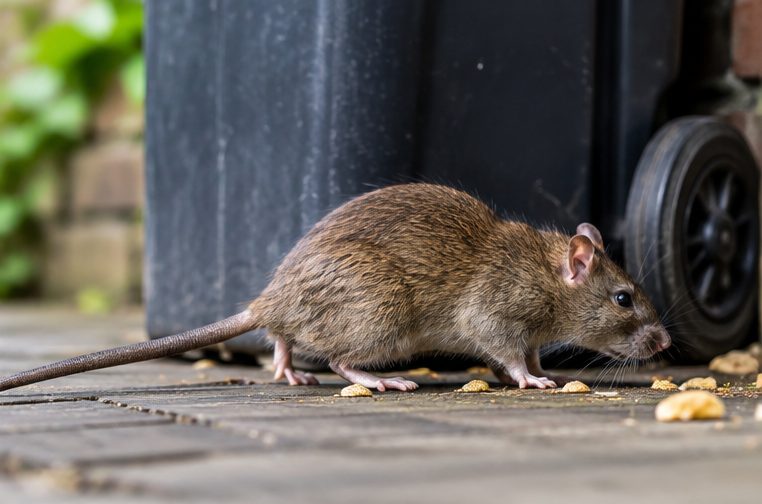
Once they have gone, both the garden and the house need attention. Clear clutter from under sheds so the space is open to light, close off the gap beneath low decking with wire mesh, stand compost bins on a mesh base, and cut ivy and dense planting back from the house wall. Gaps into the building itself, such as a broken air brick, a hole where a pipe enters the extension or a worn strip under the garage door, can be closed with rodent proofing in Kingsbury. Rat proofing goes into the detail, and neighbouring Queensbury, with its decking and extensions, faces much the same pattern.
For rats across the rest of the borough, including the drain faults under older southern terraces, see Rat Control Brent.