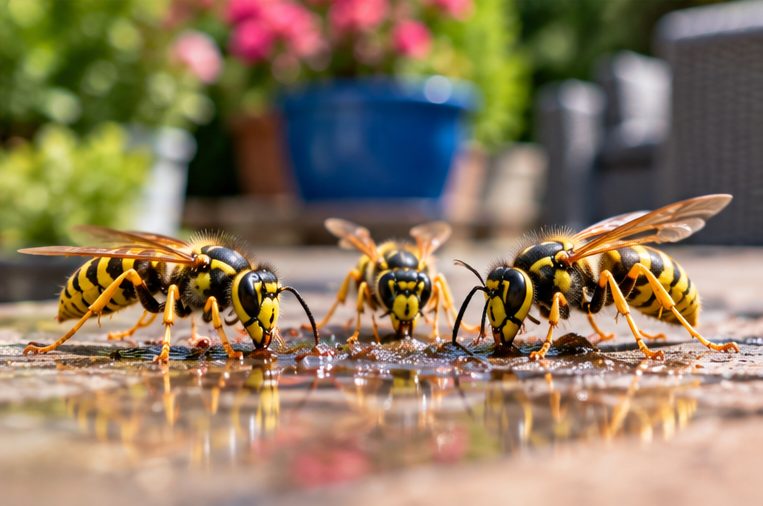
Why Kingsbury Roofs Suit Nesting Wasps
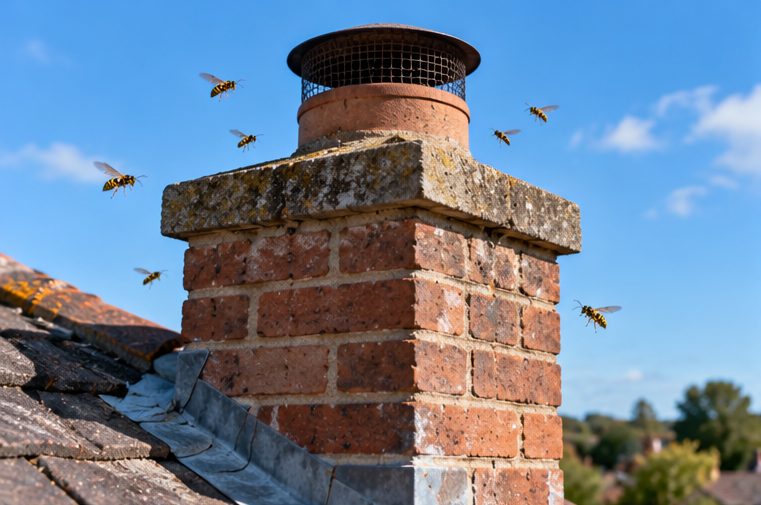
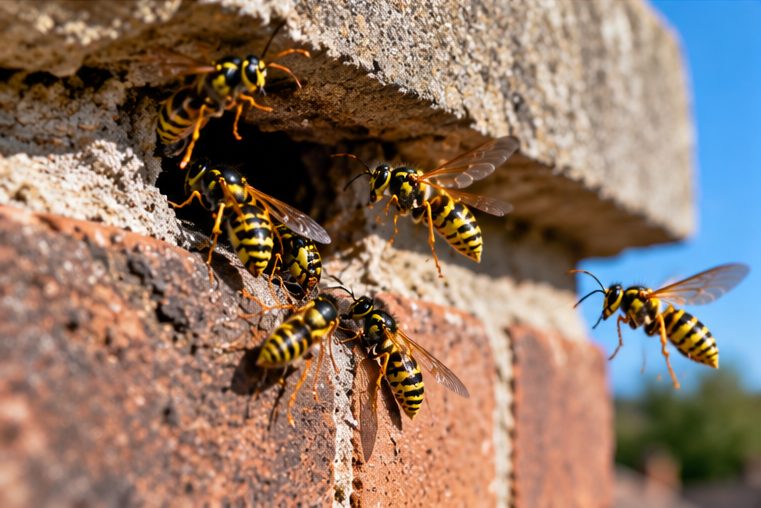
Queens wake from hibernation in spring and search for a dry, sheltered cavity with a supply of wood nearby, which they chew into the papery nest. The interwar streets of Kingsbury offer both. A hipped roof carries eaves round three sides of a semi and all four of a detached house, so there is far more soffit to choose from than on a gable-ended roof. After decades of weather, those timber boards shrink, split or pull away from the brickwork, and the gap behind them opens straight into the roof void.
Nests beside bedroom windows
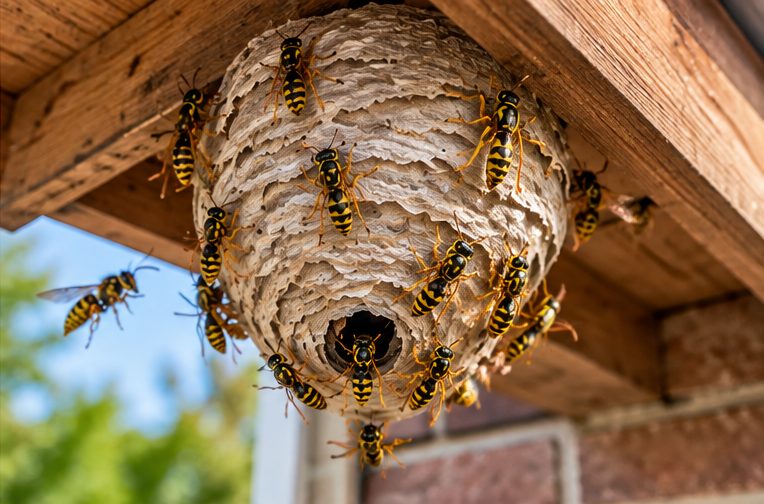
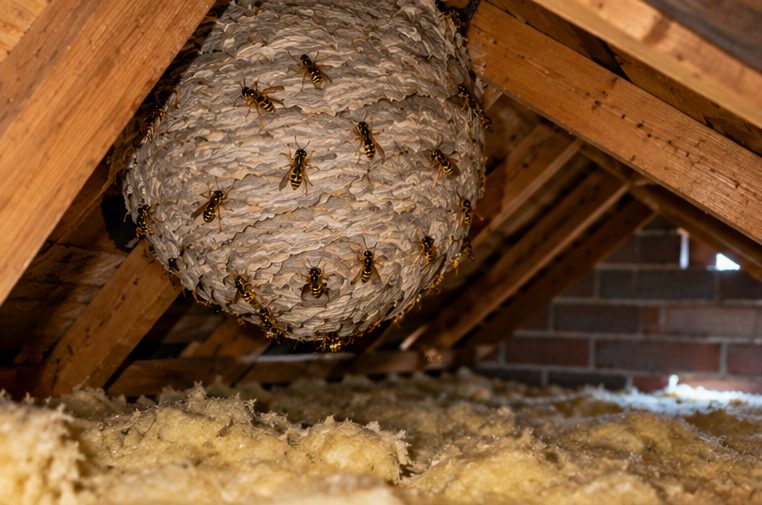
The little roof over a bay window sits just below the first-floor bedroom window, and the joint where it meets the wall is an easy entry point. A nest there can mean wasps drifting into the bedroom whenever the window is open. Loft conversions move the same problem higher up: nests turn up in the eaves storage behind the side walls of a converted loft, or under the tiles beside a dormer or roof window, right next to a room someone sleeps in. Our guide to a wasp nest in the loft covers what to do until it is treated.
Sheds, hedges and mature garden trees
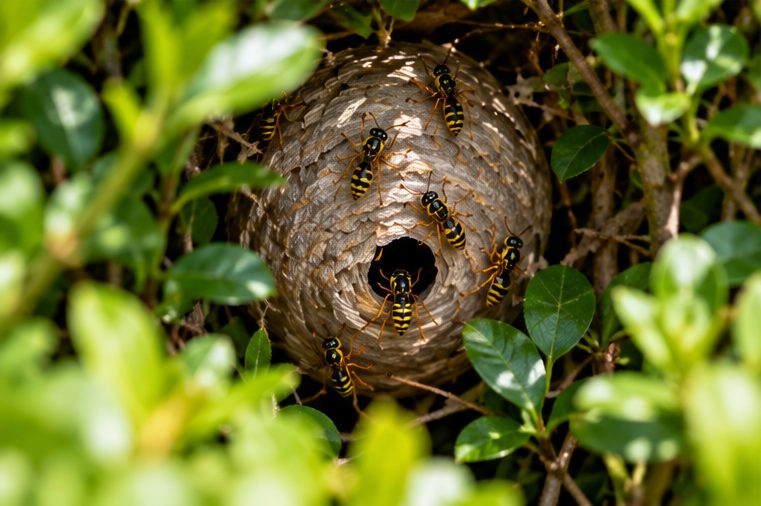
A long back garden gives wasps plenty of choice away from the house. Nests are built under the felt of shed roofs, among stored garden furniture and plant pots, in thick hedges, and now and then in bird boxes or hollow trees. Old fence panels and shed timber are also where workers scrape wood for the nest, so you may notice them at it long before you find where they are going.
Checking Where the Wasps Are Going
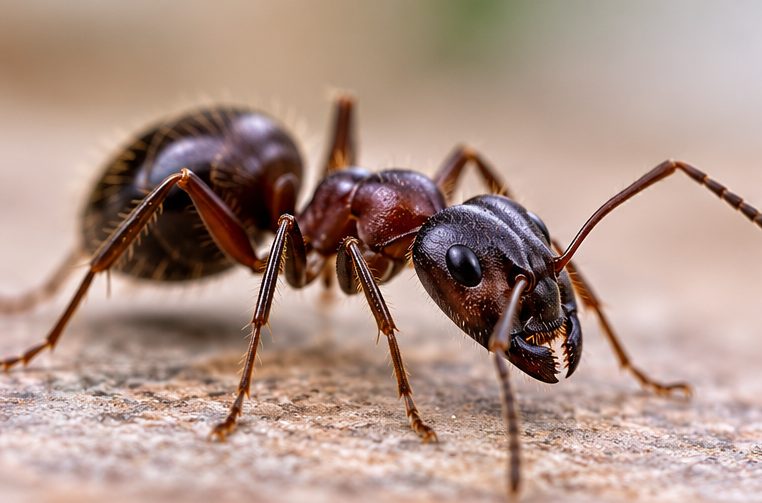
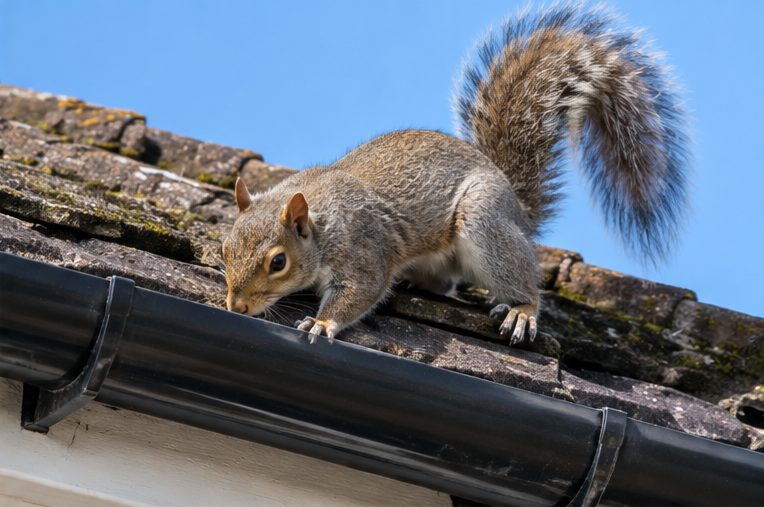
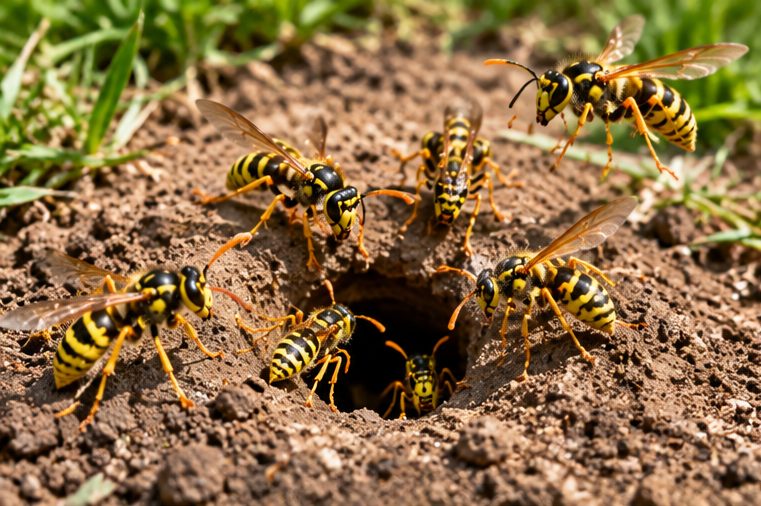
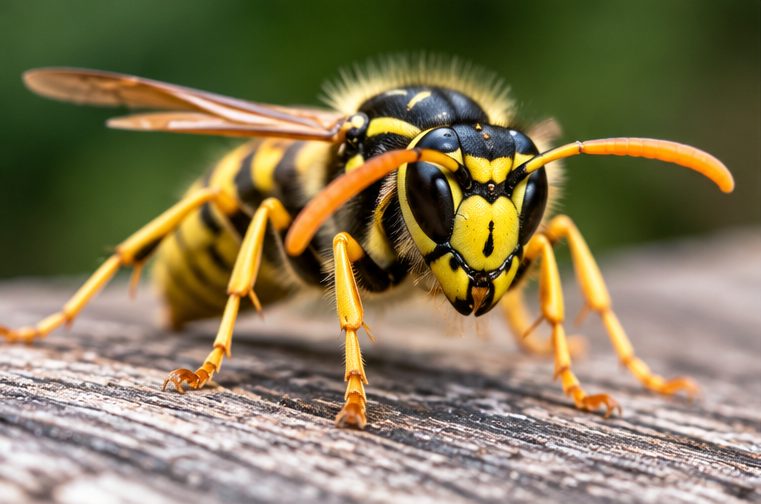
Stand well back on a warm afternoon and watch. A nest shows itself as a steady line of wasps using one gap, not a few wasps feeding round the bins. Note whether the entrance is in the soffit, the bay roof, a wall, the shed or the ground, because that decides what access is needed. See the signs of an active nest and how to tell wasps from bees if you are unsure. A gap in the eaves that keeps getting bigger, with scrabbling in the loft around dawn, is more likely a squirrel; winged insects pouring out of a patio crack on one humid July day are usually flying ants.
What not to do in the meantime
- Do not seal a soffit or bay roof gap while wasps are using it, as trapped wasps look for another way out, which can be into the loft or the bedroom
- Do not poke at the entrance with a pole or from a ladder, least of all above a window
- Keep windows on that side of the house shut, and keep children and pets away from the line the wasps fly
- Do not climb into the eaves storage of a loft conversion to look for the nest
Booking a Wasp Visit in Kingsbury
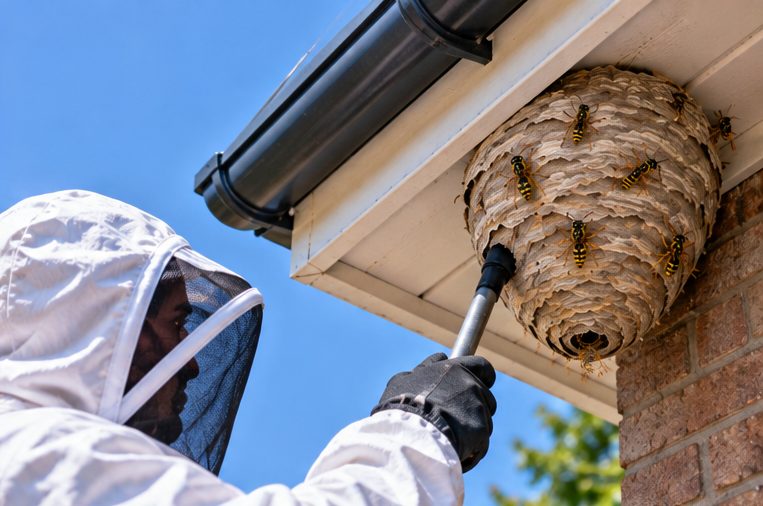
When you book, tell us roughly where the entrance is, how high it is, and whether we can reach the back garden through a side gate or the garage. If the loft has been converted, say whether the eaves spaces have hatches, and clear boxes away from them if you can. Anyone in the home who has reacted badly to a sting before should keep well away from the nest, and signs of a severe allergic reaction after a sting mean calling 999.
After the visit
Wasps can carry on flying around the entrance for a while afterwards, so keep nearby windows closed and leave the gap alone. Nobody needs to cut an old nest out of a soffit or bay roof, because wasps do not move back into it the next year. If the nest is still active within 30 days, we come back at no extra cost. Will wasps come back after treatment? explains what to expect.
Making a Kingsbury House Less Inviting Next Spring
No house can be made wasp-proof, but these habits help. For nests anywhere in the borough, the wider page is Wasp Nest Removal Brent.
- Once the season is over and the nest is dead, have split soffit boards and the joint above the bay roof repaired by a roofer or carpenter
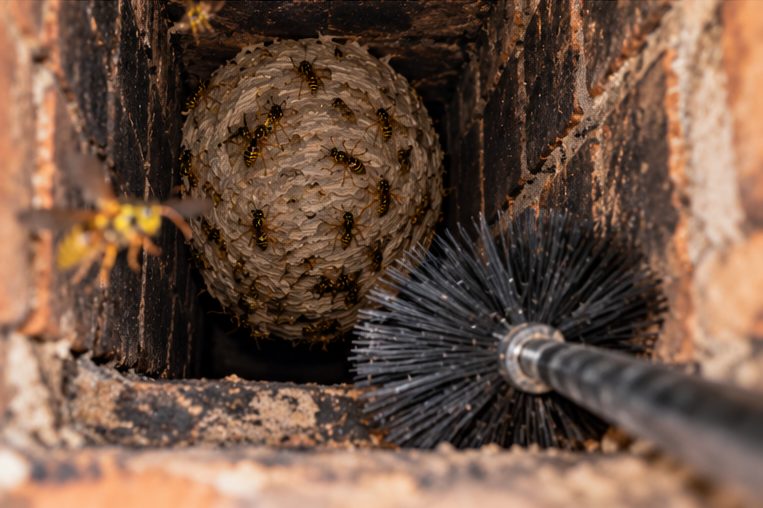
- In April and May, look along the eaves, inside the shed and under the bay roofs for a small grey paper ball, and call us rather than knocking it down
- Keep shed doors closed and look through stored furniture before summer
- Keep bin lids shut and clear fallen fruit from under garden trees in late summer
- Trim hedges and climbers that have grown up to the eaves