

Where Wembley's Rats Find Food and Cover
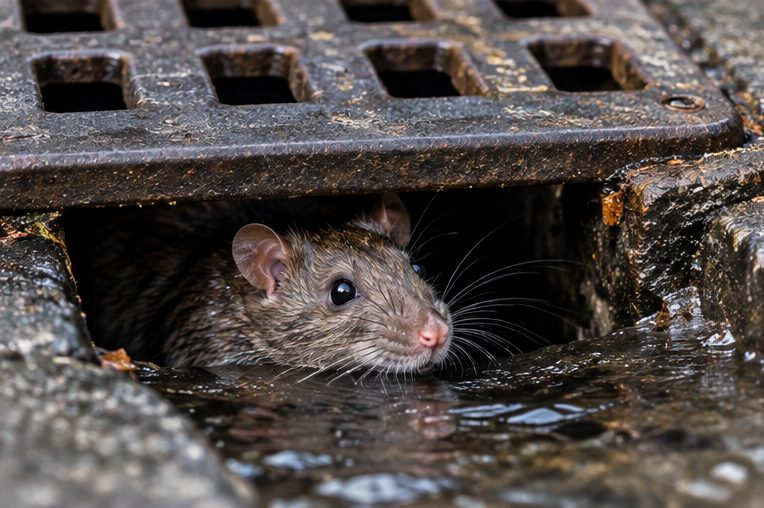
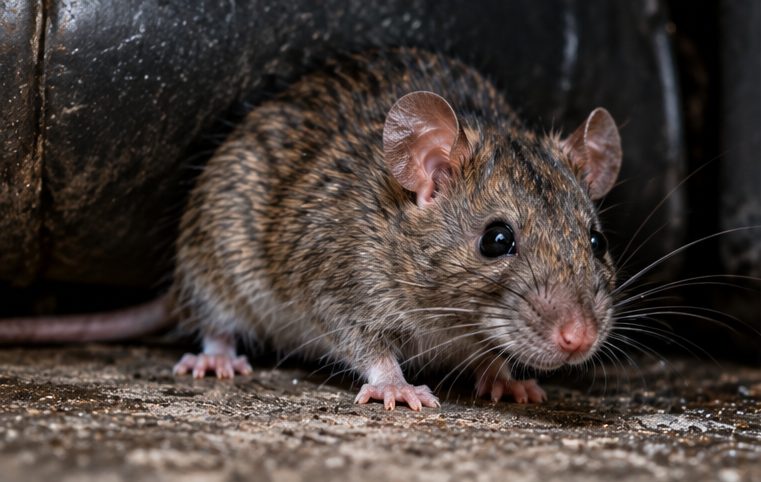
For a rat, Wembley is two quite different neighbourhoods. One is the regenerated land around Olympic Way, where many households share a few refuse rooms. The other is the older town centre, where restaurants back onto service yards and the side streets are lined with houses that have real gardens. The animal is the same brown rat in both; what draws it towards your front door is not.
Refuse areas in the new developments

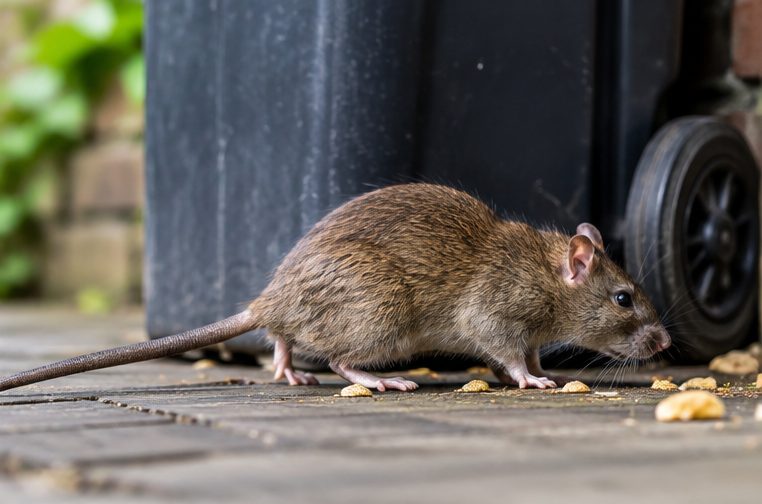
A single refuse room in a large block can hold more food waste than a whole street of houses puts out, and it is emptied on a collection schedule rather than the moment it fills. Bags left on the floor beside a full container, a door wedged open or knocked out of true, and bulky rubbish dumped in a corner all give rats a reason to come back. Planted beds in the podium courtyards and communal gardens can offer burrowing cover a short run away. The refuse area is the building's to deal with, so report what you see there, but rats inside your own flat are something you can book for yourself. Whether rats can get into flats explains how they reach homes off the ground.
Yards behind the High Road and Ealing Road
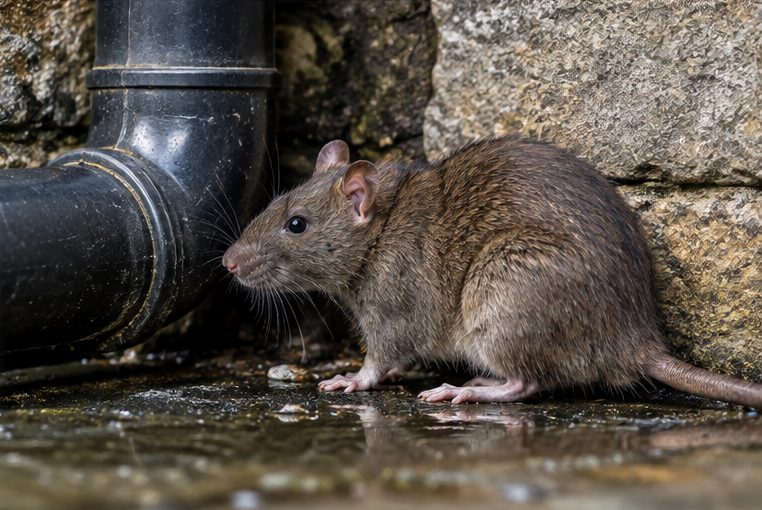
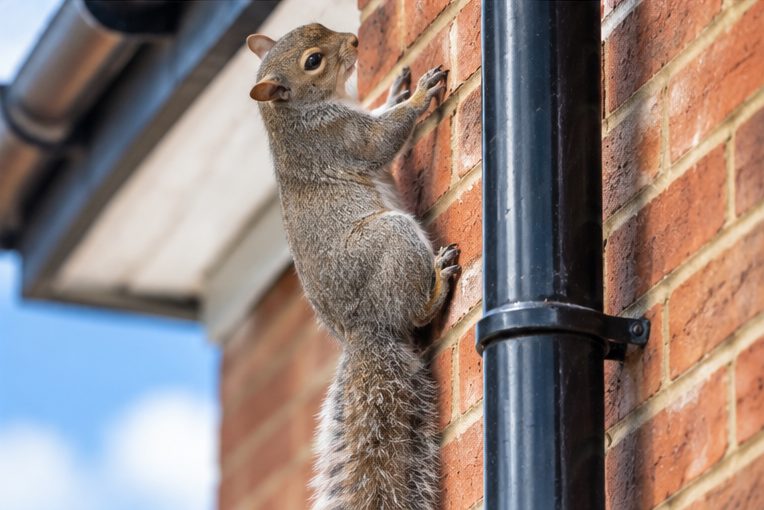
Behind a parade of shops there is usually a yard or back alley with trade bins, cooking waste and deliveries coming and going. Rats feeding there do not keep to the ground. Waste pipes, cable runs and gaps in old brickwork lead up the rear wall towards the flats over the shops, and a kitchen above a takeaway can end up with droppings behind its units once rats have settled in the yard below.
Older houses near the park and the river

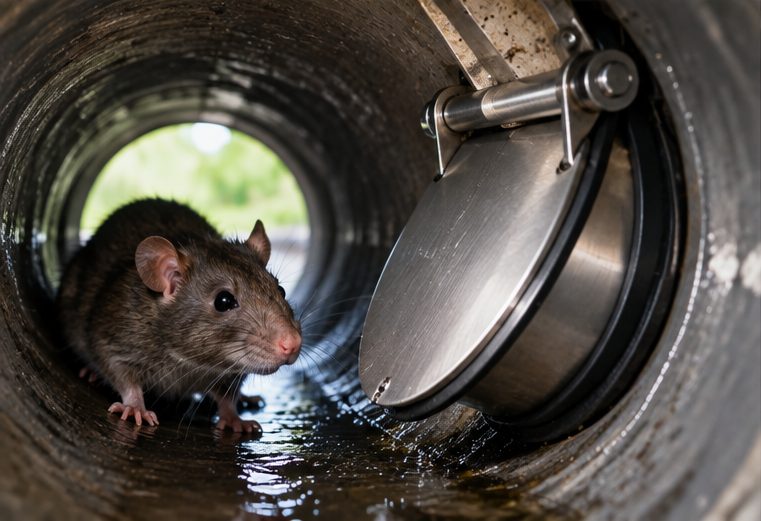
In the Edwardian and interwar streets around Wembley Central and Tokyngton, rats behave more as they do in the suburbs. Gardens near King Edward VII Park, and those towards the River Brent, have water, thick planting and undisturbed corners that suit a burrowing animal. From the garden the way indoors is low down: an air brick with a broken grille, a gap where a waste pipe leaves the back wall, a worn back door. A damaged drain can also let them under a floor, and how rats get into homes covers that alongside the other routes.
What Rat Activity Looks Like Here
- Torn bags, spilled food or droppings on the floor of the bin store
- Gnaw marks along the bottom edge of a bin store door
- Scratching after dark inside a wall that backs onto a shop yard
- Droppings behind the kitchen units of a flat above a takeaway
- Burrows under shrubs, beside a shed or along a fence in a garden near the park
The first signs of rats describes droppings, smells and runs in more detail. Tiny droppings in a new-build kitchen are more likely to mean mice in a Wembley flat.
What to Do Before Anyone Arrives
- Put rubbish inside a bin store container in a tied bag, never on the floor beside it
- Pull the bin store door shut behind you
- Keep food and pet food in the flat or house in sealed tubs or tins
- In a garden, stop putting out bird food for now and pick up fallen fruit
- Leave poison alone: in a shared building or a garden, children, pets and wildlife can find it
- Do not fill holes the rats are still using, or they may gnaw a new way out
Booking and the Visit
What to tell us
When you book rat control in Wembley, say whether it is a flat or a house, which floor a flat is on, and whether there is a shop, takeaway or bin store below or beside it. For a house, mention the garden, any shed and where the noise or droppings are.
Getting ready
Empty the cupboard under the sink and any cupboard where droppings have turned up, so they can be looked at without moving everything. In a block, check you can let the technician in at the entrance and up to your floor.
After the visit
You will be told what was found and what happens next. Timescales depend on the property, the building around it and how settled the rats are, and how long rat control takes explains what affects them. Get back in touch if fresh droppings appear or the noise returns after a quiet spell.
Keeping Rats Away From a Wembley Home
In a flat, much of what keeps rats away is outside your door: containers closed, bags off the floor, the store shut. Inside, the gaps around pipes and behind appliances are what let them through, and small ones can be sealed with rodent proofing in Wembley. In a house, keep planting and clutter away from the walls, clear the space under sheds and have a broken air brick replaced rather than blocked. Rat proofing goes into more detail.
For rats across the rest of the borough, see Rat Control Brent; canal-side homes in neighbouring Alperton have their own mix of water and cover.