
From a Broadway Yard to the Back of a Terrace
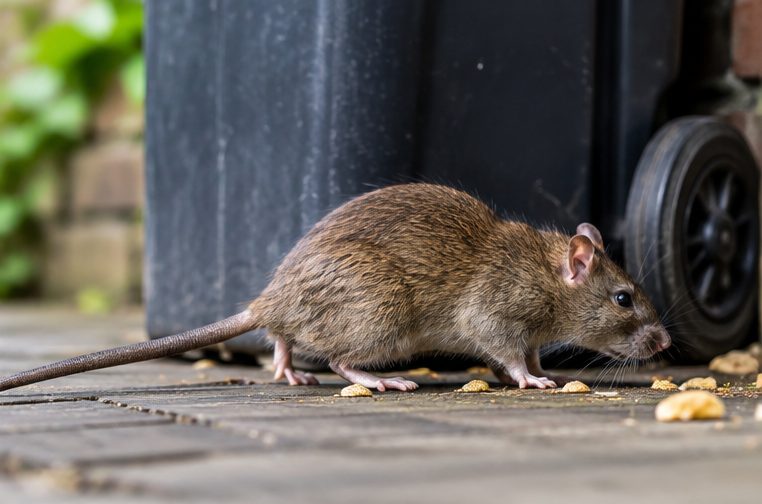
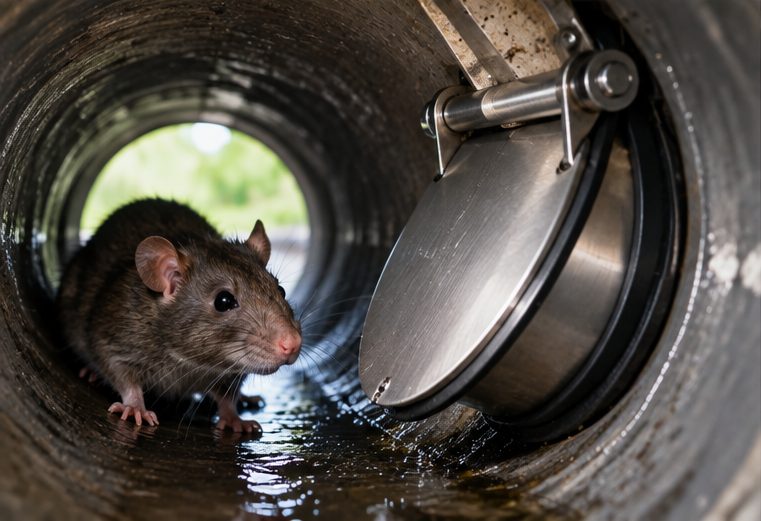
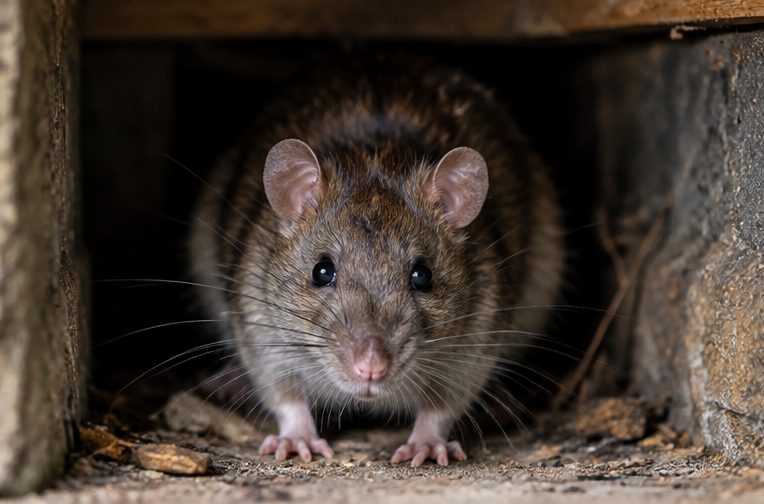
The Broadway is a working street of shops, cafés, takeaways and restaurants, with flats over them and yards behind. Deliveries, storage and waste all end up in those yards. A brown rat will travel much further for somewhere safe to nest than it will for a meal, so the yard tends to be the canteen and the gardens behind the terraces the lodgings.
Rear alleys and the line of back gates

Plenty of the terraced streets have a passage running along the backs, with gates, wheelie bins and stacked timber. Walls and fences run almost unbroken along it, so an animal can work the length of a row without crossing open ground, and gates drop on their hinges until the gap beneath them will take one. How rats get into homes sets the outdoor routes beside the ones underground.
Sheds, decking and what stands against the back wall
A shed on bearers, a deck laid over a joist frame and a raised patio each leave a shallow dry space underneath that nobody looks into from one year to the next, and so does a compost bin at the end of the garden. Rats dig into spaces like that rather than out of them, which is why a rat in the garden is worth acting on before anything turns up indoors. Away from the Broadway many of the larger houses are flats now, and a garden split between three households tends to belong to nobody in practice, so tell the landlord or managing agent what is out there as well as booking treatment for your own home.
How a Rat Gets Into the Back of a Cricklewood House
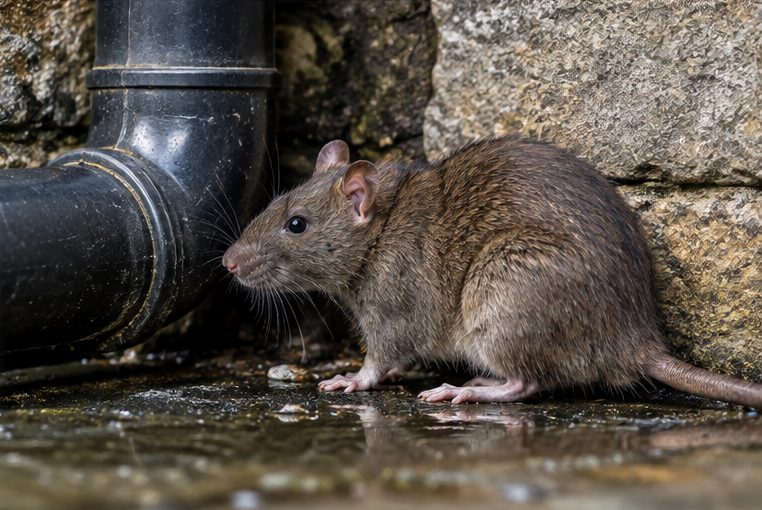
The front of one of these houses is generally as it was built. The back is where everything has been added: a back addition, a later kitchen extension, a downstairs shower room, a boiler moved onto an outside wall. Each job cut an opening through brickwork, and openings are always made larger than the pipe going through them.
- The hole where a waste or overflow pipe leaves the rear wall, low down and usually behind a bin or a planter
- A cracked or missing air brick grille under a ground-floor room, often hidden by decking or a raised bed
- The joint where a flat extension roof or a lean-to meets the original wall
- A worn threshold on a back door or patio door, or a cat flap in a door that is never used
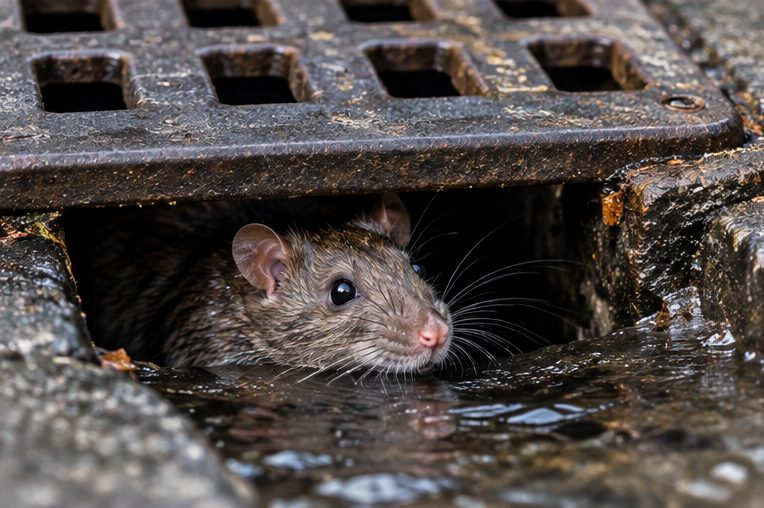
- Nothing outside at all, with activity under the floor — which points at the drainage instead of the walls
What You Are Likely to Notice First
- Smooth-edged holes with a fan of loose earth outside, at the foot of a garden wall or beside a shed
- Gnawing on the bottom rail of a back gate, a shed door or a bin lid
- Dark tapered droppings in a garden store, a garage or an outside cupboard
- Scratching after dark in the wall or floor on the garden side of the house
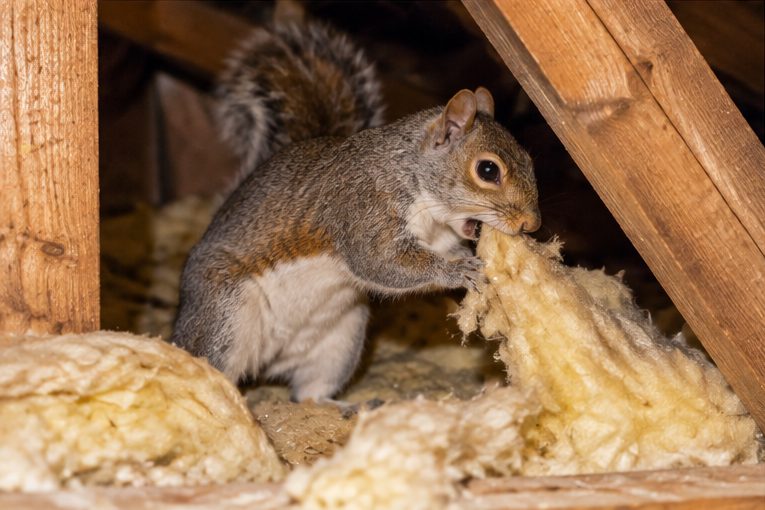
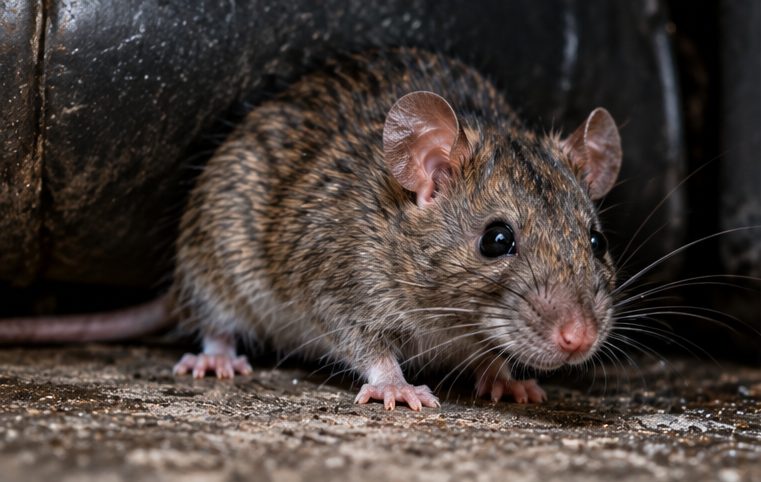
The first signs of rats explains what each of those means once it reaches the inside of a house, and telling rats from mice settles most of it from the droppings. Grain-sized droppings mean mouse control in Cricklewood instead; daylight noise overhead means squirrel control.
What Helps Now, and What to Leave Alone
- Keep food waste in a bin whose lid shuts, and get the bin off bare soil onto something hard
- Clear the strip along the base of the back wall, and lift stored timber, bags and pots off the earth
- Leave a hole that is in use open until treatment has finished — fill it now and a fresh one gets cut, often somewhere worse
- Keep poison out of a garden, yard or alley, where children, pets, foxes and birds can reach it
Booking a Rat Visit in NW2
What to tell us
Say whether the address is a flat or a whole house, which floor you are on, and what lies behind the building: a garden, a shared alley, a yard used by a business. Then say where the activity is, and at what time of night. Book rat control with those details and there is less to work out on arrival.
Getting ready
Empty the cupboard under the sink and any other cupboard where droppings have shown up. Outside, make it possible to walk the whole back wall: move bins and planters off it, cut back the growth along the base, and unlock the rear gate or have someone there with the key.
Afterwards
You will be told what was found and what happens next, including whether the next call is to a drainage contractor rather than to us. How long it takes depends on the building, on what is around it and on how settled the rats are, which this guide to timings goes into.
Keeping the Back of the House Shut
Two jobs are left once the activity has stopped: the ground outside and the holes in the wall. Take the digging away first — clear the base of walls, raise stored material off soil, close in the space under a deck or shed. Then have the small openings closed, which is what rodent proofing in Cricklewood is for, and rat proofing describes what is worth doing. Rat Control Brent covers the borough, neighbouring Willesden sits on much the same Victorian drainage, and Pest Control Cricklewood has the other pests in NW2.