From the Garden Trees to the Roof Edge
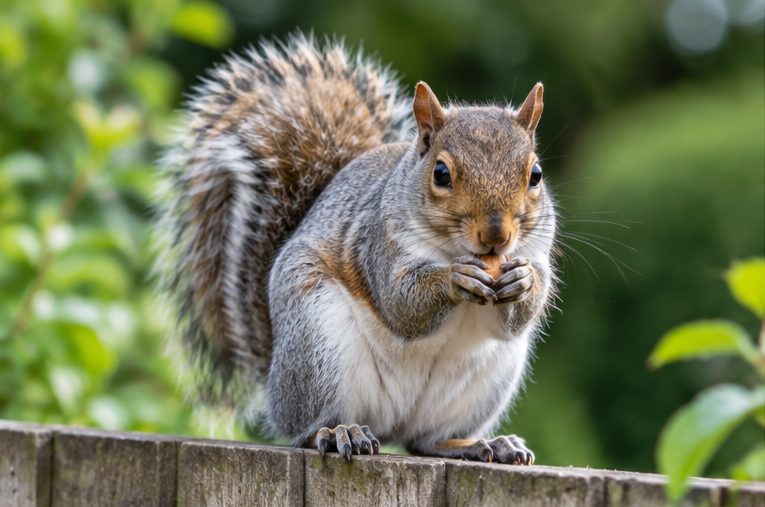
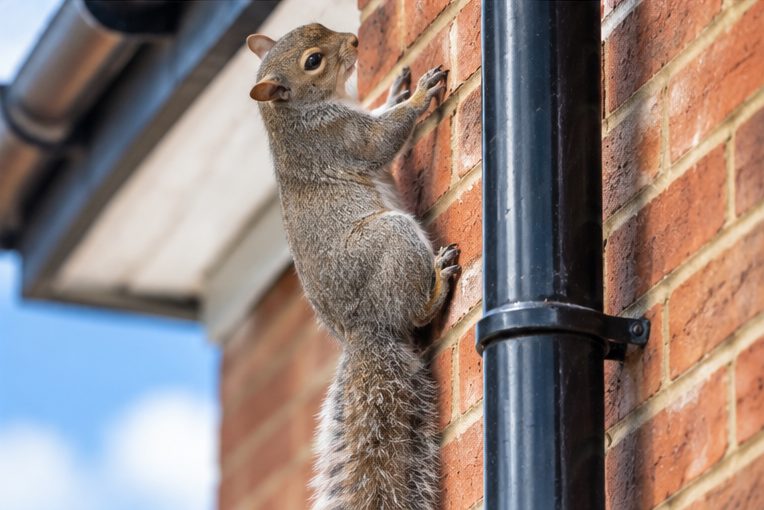
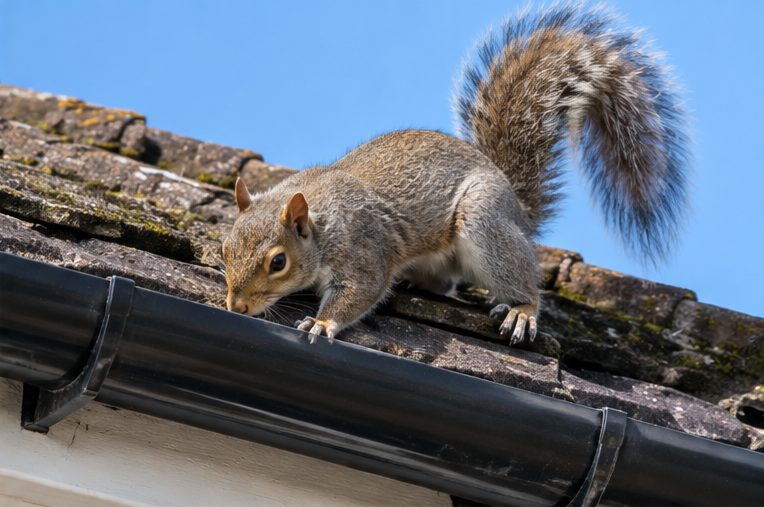
A squirrel does not scale the wall; it arrives at roof height from something growing close by. A mature tree at the end of the garden, a branch reaching over from next door, a heavy climber on a fence, or the run of trees along the backs of a row of gardens will all put one level with the tiles. After that it is the condition of the roof edge that decides whether it gets any further.
What it finds at the eaves
Deep eaves mean a generous overhang, with fascia and soffit boards taking the weather at the end of every rafter. Timber gone soft at a joint, a soffit panel that has dropped away, a tile lifted at the verge, or a gap left behind when a roof vent was fitted: any of those turns into a doorway. How squirrels get into a roof describes what can be picked out from the ground with a pair of binoculars.
When the Loft Has Been Converted
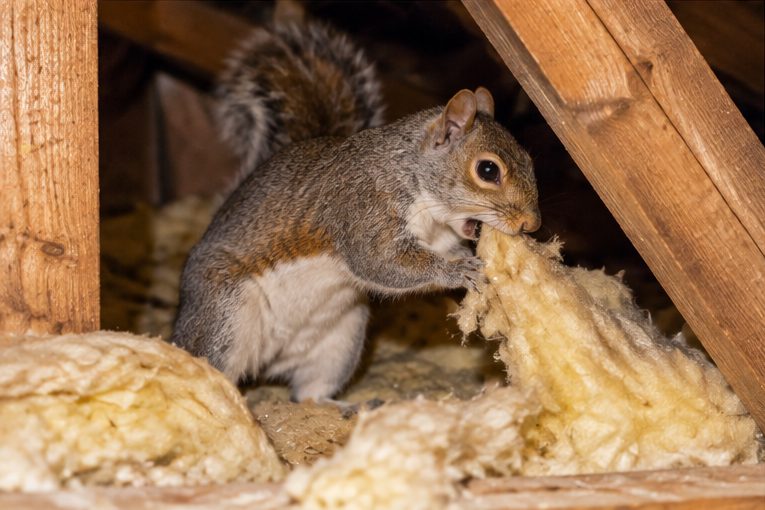
A conversion never uses the whole roof. Behind the new plasterboard walls sit triangular eaves voids running the length of the house, and there is often a stub of untouched roof space over the back extension or beyond the head of the stairs. Those leftover spaces are insulated, warm and never opened, which makes them better for a squirrel than a plain empty loft rather than worse.
It changes what you hear, too. The noise arrives through a bedroom wall or the side of a built-in cupboard instead of through a ceiling, so it sounds far closer than it is. Access is through small eaves hatches, where the conversion has them. Tell us which hatches exist when you book, because it shapes how the work is arranged. What squirrels sound like helps you place the noise, and how to know it is squirrels covers the rest of the evidence.
The Order Things Have to Happen In
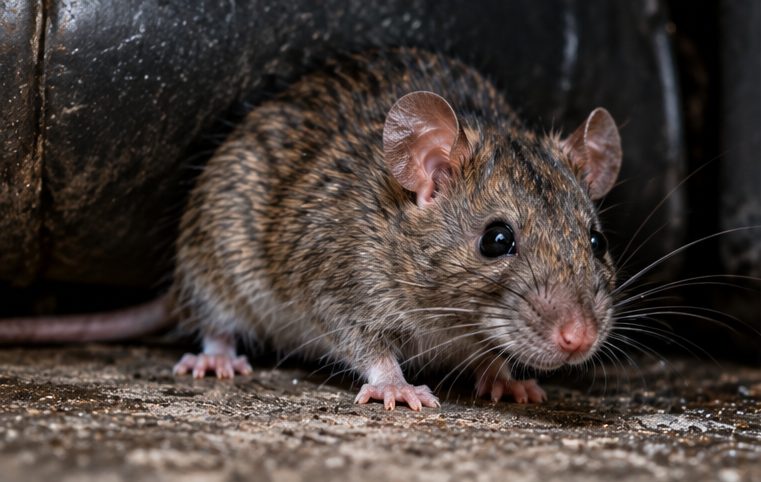
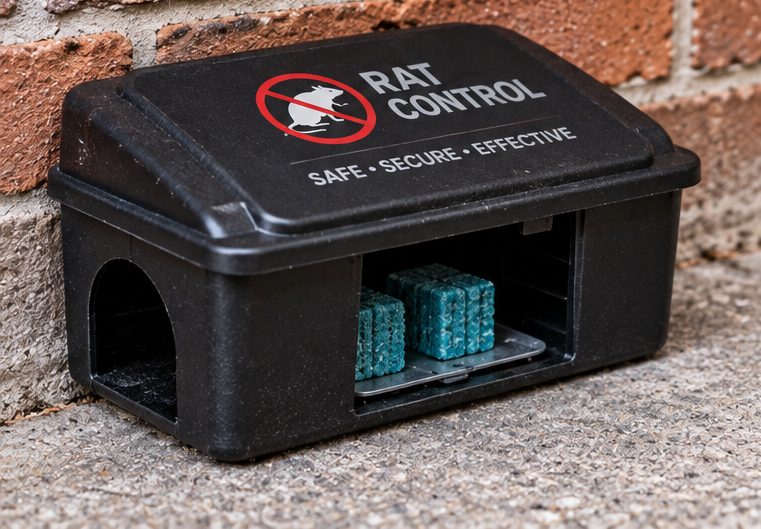
Identification comes first, because rats and mice use roofs as well and a different service applies to them. Activity in daylight, especially early morning, points to squirrels; noise that only begins once the house is quiet suggests rats or mice. Squirrels or rats sets the differences out side by side.
Then the trapping. The £280 service is for trapping the grey squirrels using your roof space, and you will be told what it involves and what is needed from you before anything begins — keeping hatches shut, leaving what has been set up undisturbed, and reporting what you hear and when. The way in stays open throughout. A squirrel sealed inside will chew its way out, through a soffit or down into the house, and in spring or summer there may be young in a nest that cannot follow their mother. How long squirrel control takes depends on the roof and on how many are using it.
Only once the roof has gone quiet does the hole get closed. Stopping squirrels getting back in explains what a repair has to do if it is going to last.
Lining Up a Roofer
Repairs at the eaves mean working at height on fascia, soffit and verge, which is roofing and carpentry rather than pest control. Find your roofer early and have them ready, so the repair follows the trapping closely instead of arriving weeks later. Give them the exact spot: a sound repair in the right place is what stops the next squirrel, and on a semi it is worth asking them to run an eye along the shared roof line while the ladder is up.
Semis, Trees and the Time of Year
A pair of semis shares one roof, and in older houses the wall between the two lofts does not always run tight to the tiles. A squirrel that came in over next door's eaves can end up above your bedroom, so a word with the neighbours before anything is booked is rarely wasted. Outside, cutting branches back from the roof once the repair is done makes the crossing harder; use a tree surgeon for anything substantial, and check first where a tree is protected or the work falls in a conservation area.
Late winter into early spring, and again in summer, is when females look for somewhere dry to raise young, so acting as soon as you hear activity is simpler than waiting for the noise to multiply. Autumn brings them back to a roof they used earlier in the year if the gap is still open, which is why squirrels return to the same loft.
The Law on Letting One Go
Grey squirrels are an invasive non-native species. Once one has been caught it is an offence to release it or allow it to escape into the wild, so driving one to a park and opening the cage is not a lawful option. The legal position is set out in our guide, and Squirrel Control Brent gives the borough-wide picture. Neighbouring Kingsbury sees the same thing in its interwar roofs.