From the Canopy to the Top of the Roof
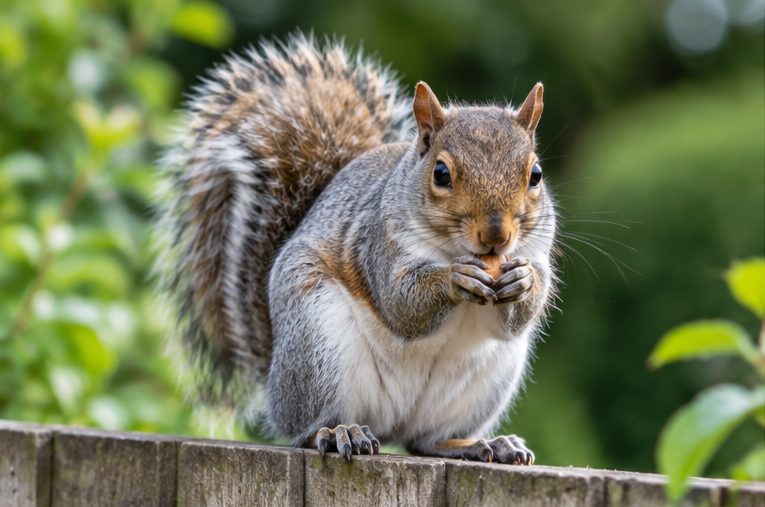
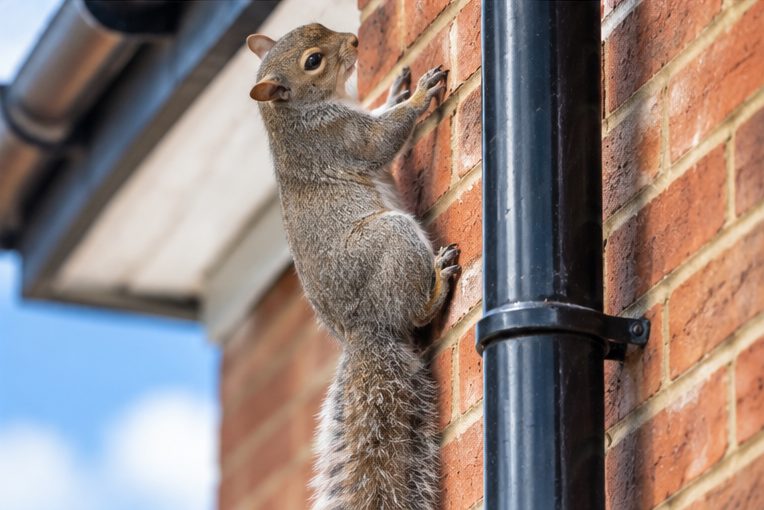
Nothing has to overhang the roof for a squirrel to reach it. It runs along walls and fences, goes up ivy, a drainpipe or a soil stack, and crosses a gap from tree to gutter that looks impossible from below. Trees in the park, street trees along the road and the mature ones at the ends of the back gardens all put them at roof height somewhere on the street, and the roofline then carries them to whichever house is weakest at the top.
Where they get in on a tall terrace
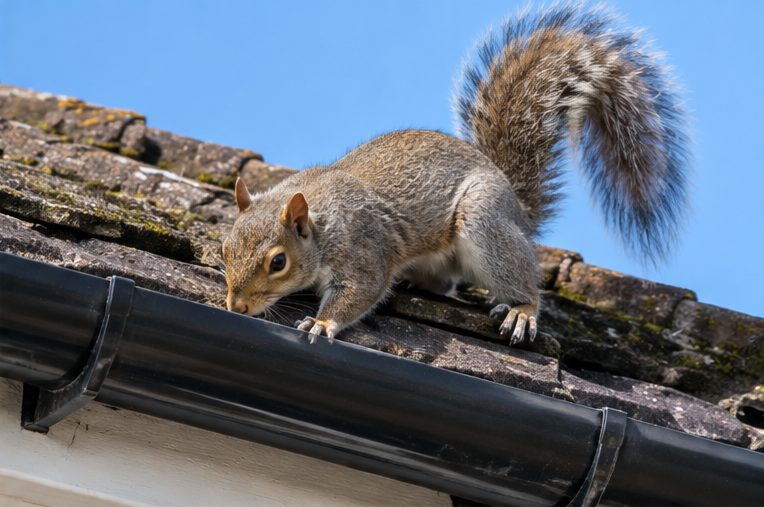
The openings are nearly always high and at an edge: where a chimney stack meets the tiles and the flashing has lifted, the verge at the end of a run, a valley gutter with a soft board beside it, a soffit gone spongy behind its paint, or a slipped slate near the ridge. None of that is visible from the pavement, and a pair of binoculars used from across the road tells you more than standing underneath ever will. How squirrels get into a roof describes what to look for.
What you can hear four floors down
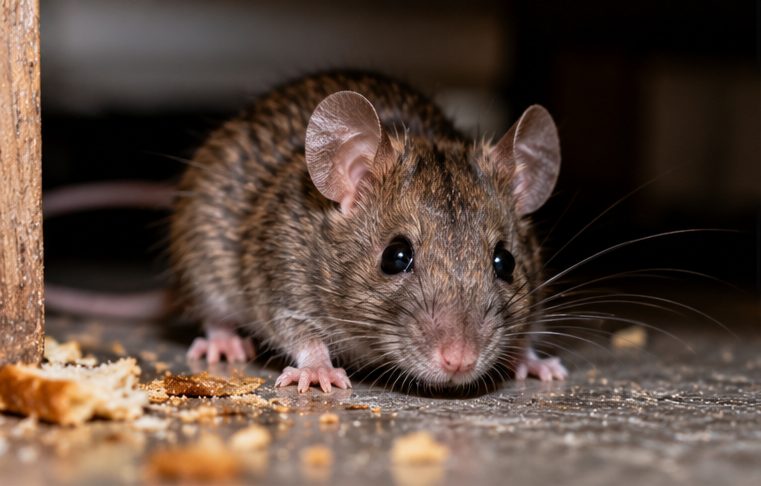
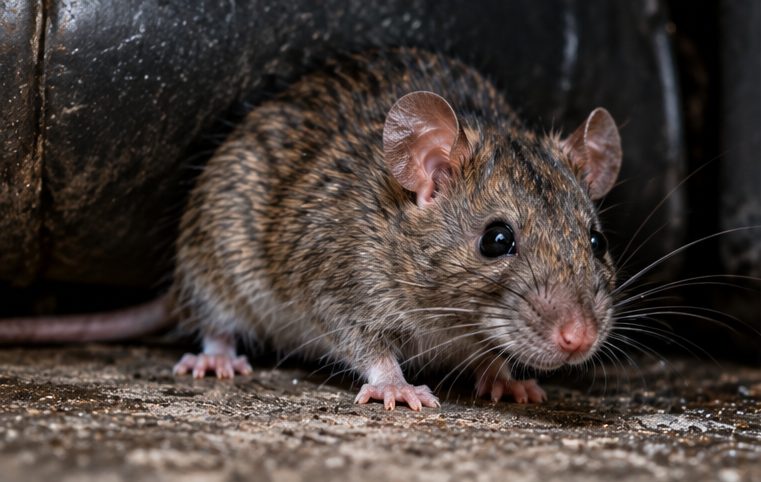
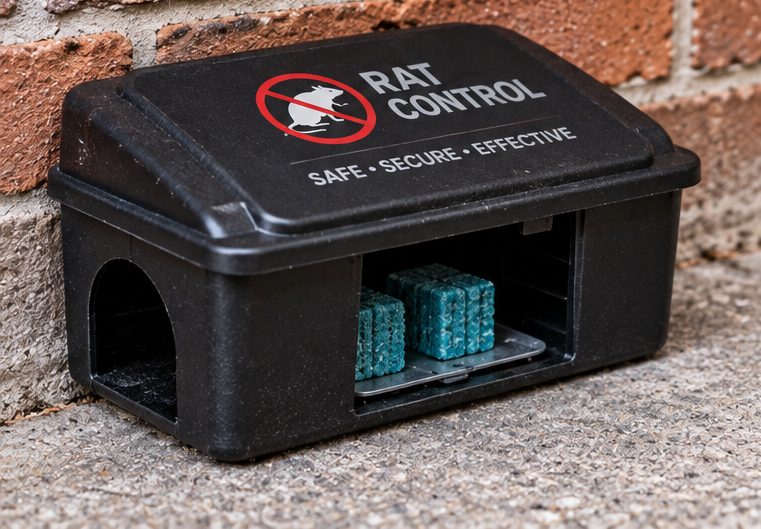
Sound from a roof space travels down a tall house through the chimney breasts and the stair void, so it is easy to place it a floor away from where it really is. The pattern worth listening for is weight rather than scratching, in daylight, particularly in the hour after dawn and again in the afternoon. What squirrels sound like overhead separates it from noise after dark, which is rodents and a different booking: rat control or mouse control.
What to Do in the First Few Days
- Write down the times you hear movement over two or three days, and whether it is overhead or in a wall
- Look at the roof early, from the back garden and from across the road, watching the stack and the edges
- Put a torch through the loft hatch rather than climbing in, and check insulation and stored boxes
- Leave the way in open, however obvious it has become, until you are told the roof is empty
- Have an electrician look at any cable that appears gnawed, and leave a fouled water tank alone
Knowing whether squirrels are in the loft goes through the signs, and the damage they do is worth reading before you put your head up there.
The Order Things Have to Happen In
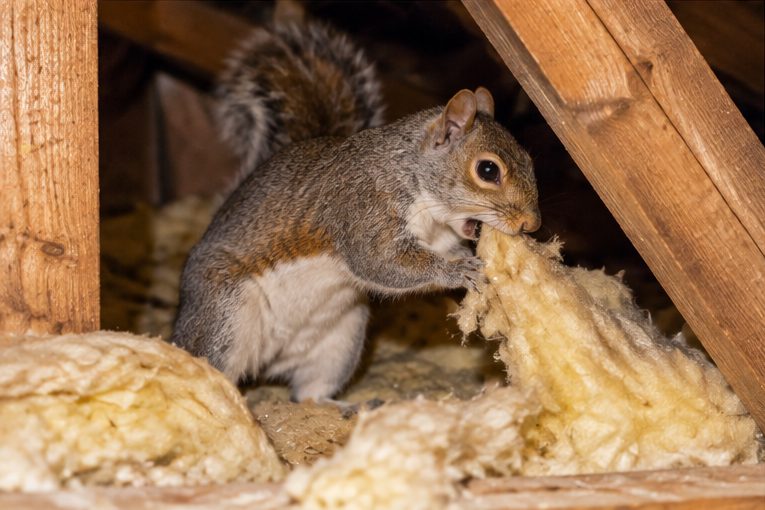
The £280 trapping service deals with the grey squirrels using the roof space, and when you book it you will be told what it involves and what is asked of you while it is under way. What decides whether this becomes a habit is everything that follows.
The gap stays open until the roof is no longer in use. A squirrel shut in makes its own way out, sometimes downwards through a ceiling, and from late winter through the summer there may be young in a nest that cannot follow. Once the roof is quiet, closing it is roofing work at height — flashing at a stack, a new length of fascia or soffit, slates refixed at a verge — reached from a tower or a scaffold rather than a ladder on a house of this height. Line the roofer up early and show them the exact spot, because a repair in the wrong place changes nothing. Closing the way back in describes a repair that lasts, and why they return to the same loft explains what happens when it is left open.
Branches, street trees and the park
Cutting back comes last, after the roof is empty and repaired, and it achieves less than people hope: an animal that climbs brickwork is not stopped by a shorter branch. A large garden tree is a tree surgeon's job and may be covered by a preservation order, while a tree in the park or on the pavement is not yours to touch at all. Brent Council is who to ask about either.
Releasing a Grey Squirrel Is an Offence
The grey squirrel is a non-native species, and an invasive one. Once one has been caught, releasing it into the wild or allowing it to escape is against the law, so carrying a trapped animal across to the park and opening the cage is not a lawful choice, however kindly meant. The law on releasing grey squirrels states the position plainly.
When the Roof Is Shared
Where a house has been divided into flats, the roof belongs to the freeholder rather than to the top-floor flat that happens to hear it first, so what you are hearing and when should go to the freeholder or the managing agent in writing. In a run of houses still lived in whole, the loft next door is worth a conversation as well, since the wall between two old lofts does not always reach the underside of the tiles. Squirrel Control Brent covers the borough, and neighbouring Willesden has the same kind of roofline. Everything else in NW6 sits on Pest Control Queen’s Park.