The Bedroom That Is Only Slept In Now and Then
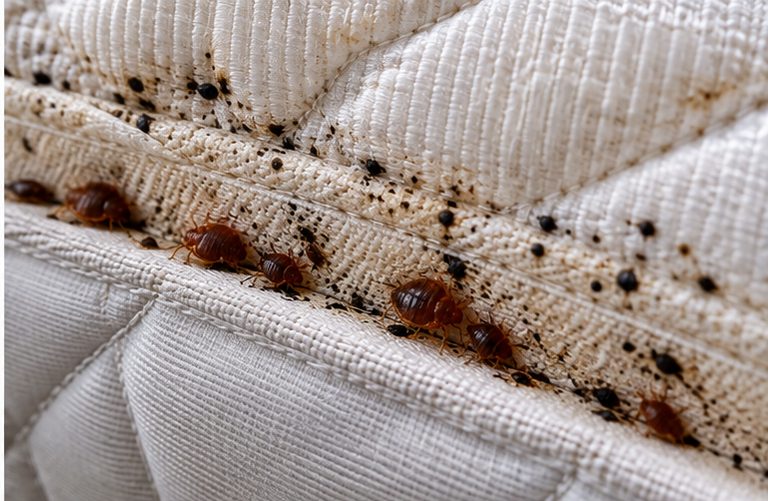
An interwar house here usually runs to three bedrooms, and the smallest one over the hall, or the back bedroom a grown-up child has left, ends up as the room visitors get. A bed used a fortnight a year is the quietest place in the house for an insect that hides within a couple of metres of a sleeping person and comes out for an hour or two at night. Nobody is there to be bitten for months at a time, so nothing gives the game away, and the person who eventually finds out is whoever stays next. Where bed bugs spend the daylight hours is worth reading before you strip that bed.
The Week After Somebody Stays
Treat the end of a visit as the moment to look rather than the moment to shut the door. Take the bedding off, run your eye along the mattress piping and the bolt holes of the frame while the bed is bare, and do the same with a folding bed or an air bed before it goes back in its bag. If bites start on a guest a week after they leave, ask them to check at their own address too; it is awkward for about a minute and it saves both households a great deal.
What Comes Up the Front Drive
The other way in is furniture, and a house with a drive and a garage gives you somewhere sensible to deal with it. A divan, a headboard or an armchair bought online or collected from a house clearance should be gone over outside, with the tailgate still open, rather than carried straight up to a bedroom. Take the slats out of a frame, look into the screw holes and along the underside of any upholstery, and shine a torch into the folds. The guide to bed bugs in sofas and furniture shows what you are looking for, and how bed bugs get into a home covers the routes you cannot inspect, such as a suitcase coming back off a long journey.
Deciding Whether It Is Bed Bugs at All
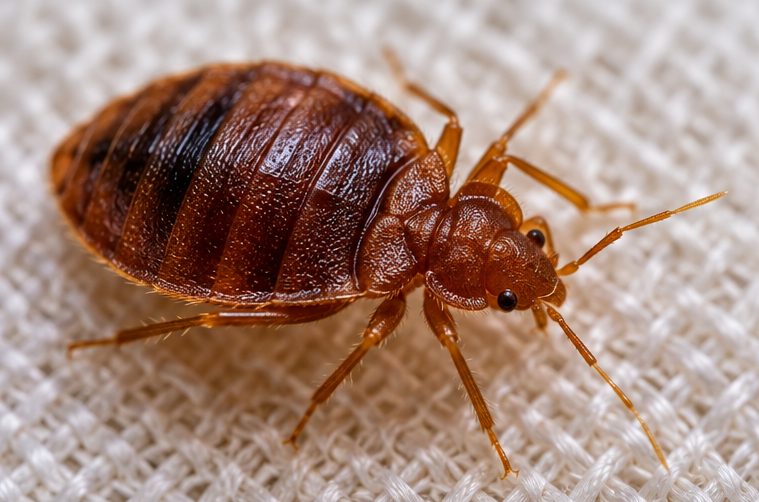
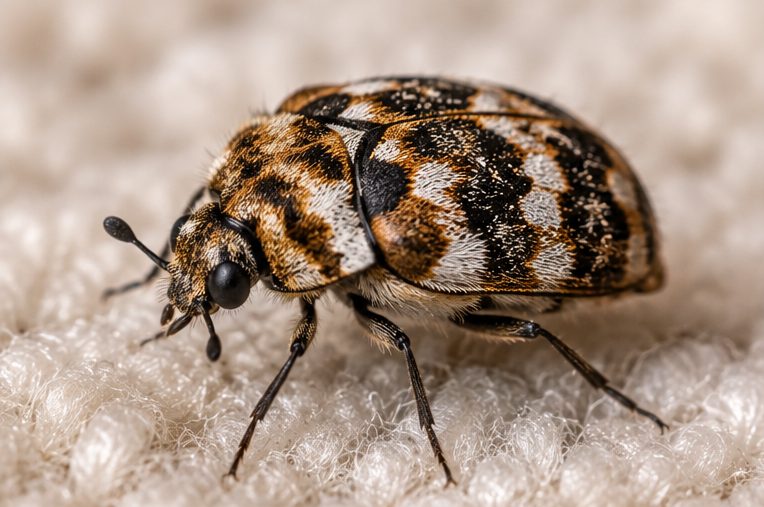
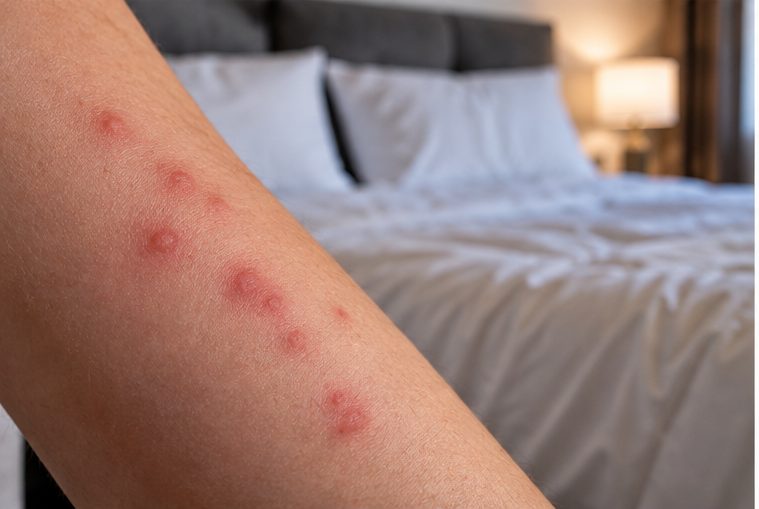
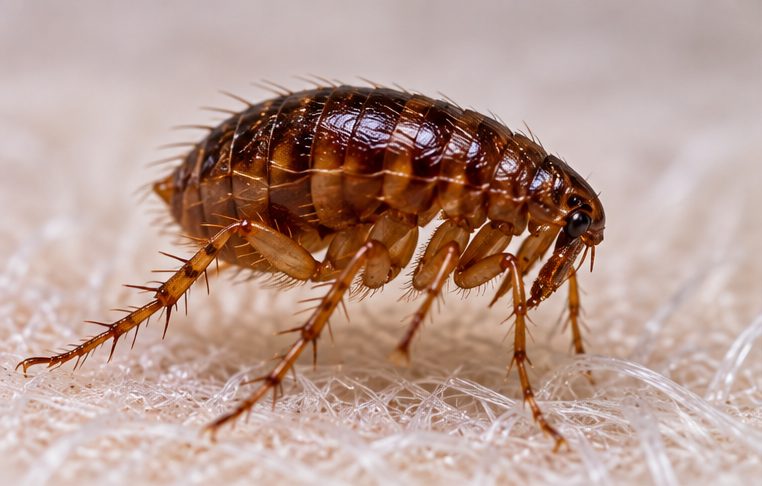
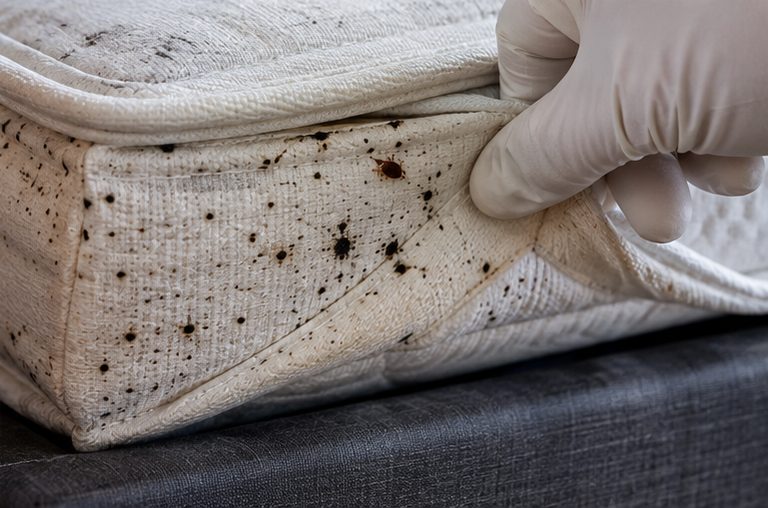
Bites prove very little. One person wakes up with a row of itchy lumps and the next sleeps in the same bed for weeks with nothing to show, so go looking for the insects instead. In daylight, with the bedding stripped, you want dark spotting like ink along the seams, papery shed skins in the joints, and live bugs in the screw holes and behind the headboard. The first signs guide sets out each of those. Bites that cluster around the ankles in a house with a cat or a dog point at fleas in Queensbury, and an itchy rash with absolutely nothing on the bed can come from the larvae of carpet beetles.
Things That Make the Job Bigger
- Giving up on the bedroom and sleeping in another room, which takes them with you and adds a room to the price
- Setting off a shop-bought fogger, which pushes them deeper into the frame and the wall
- Carrying bedding round to a relative's machine in the next street
- Standing the mattress in the garage 'for now', which simply moves the problem twenty feet
- Ordering a replacement bed before anyone has looked, when a mattress usually stays
Getting the Bedrooms Ready in a Family House
Preparation is the half of this that belongs entirely to you, and in a three or four-bedroom house it is worth doing room by room instead of in one sweep. Finish one bedroom before you open the door of the next, and keep everything that comes out of a room inside that room. Bedding and the clothes off the floor go through the machine as hot as the label allows and straight into bags as they come out, and those bags stay shut until the visit.
Then deal with what these bedrooms are full of. Empty the drawers in a divan base and the boxes pushed underneath a bed, pull each bed and wardrobe far enough off the wall to reach the skirting behind it, take down the pictures and the headboard cushion above a bed, and strip both levels of a bunk. Where a loft conversion has become somebody's bedroom, it counts and prepares exactly like any other. Vacuum the floor edges and the frame last, then empty the cleaner outside into a tied bag. The room preparation guide gives the general shape, and we will go through your own rooms with you when you book.
Booking, and the Weeks That Follow
Tell us which rooms have signs, whether the address is a whole house, a flat over the parade near the station or a flat in a converted house, whether anyone sleeps on a sofa, and whether a guest or a neighbour has mentioned bites. Keep sleeping in your own bed unless you are told otherwise. Seeing the odd one for a while afterwards does not by itself mean anything has gone wrong, and what the timescale depends on is explained in full there; if you are still being bitten past the period we give you, ring rather than wait. Everything else these houses get is on Pest Control Queensbury.
Keeping Bed Bugs Out of a Queensbury Home
- Look over any bed, sofa or chest of drawers on the drive before it comes indoors, not after
- Put a guest's case on a hard chair or a luggage rack rather than on the bed
- Strip and check the spare bed in the week a visit ends, while you still remember to
- Unpack your own case next to the washing machine after a trip instead of on the duvet
- Keep the floor under the beds clear enough to see, so a look takes a minute rather than an afternoon
The borough-wide page is Bed Bug Control Brent, and the Brent advice on finding bed bugs takes the first day or two in order. Houses in neighbouring Preston are priced the same way.