The Garden Studio Is Where the Webs Are

Spiders stay where they can feed and where nothing disturbs them, and a garden studio hits both. The light by the door pulls in moths and midges off the planting every evening, the overhang gives shelter from rain, and for months on end nobody walks in. Webs collect in the corners of the glazing, along the underside of the roof overhang, behind the stored bikes and in the gap between the base and the ground. None of this says anything about how clean the building is; it says small flying insects pass those corners often enough to be worth catching. What attracts spiders into a property sets out what really decides the numbers.
Cellars, vaults and the front lightwell
At the front of these houses there is often a vault or coal cellar reaching out under the pavement path, with a grating or an old chute opening into the lightwell above it. Air moves through, insects come in, and the space is opened perhaps twice a year, so webs gather across the joists, behind the meter and over whatever is stored against the brickwork. The lightwell itself collects leaves, and the light above the steps down to the lower-ground door works exactly like the studio light. Rooms at that level — a back kitchen, a utility, a bedroom with its own door to the garden — get the overflow. Where spiders hide inside homes covers the indoor side.
Sash boxes and old window frames

Original sash windows have a hollow box on each side for the weights, and the gap where that box meets the reveal is a sheltered slot a few millimetres wide running the full height of the window. Shutters folded back into their casings do something similar. This is where the noble false widow tends to be found — glossy and dark, with a rounded body and pale markings on the abdomen — along with the undersides of sills and the back of outside light fittings. Bites are uncommon, and most are described as being like a bee or wasp sting. Speak to a pharmacist or GP if a bite becomes very swollen or looks infected, and call 999 if there are signs of a severe allergic reaction. Are there dangerous spiders in Brent homes? has the detail.
The September Spider on the Stair Runner
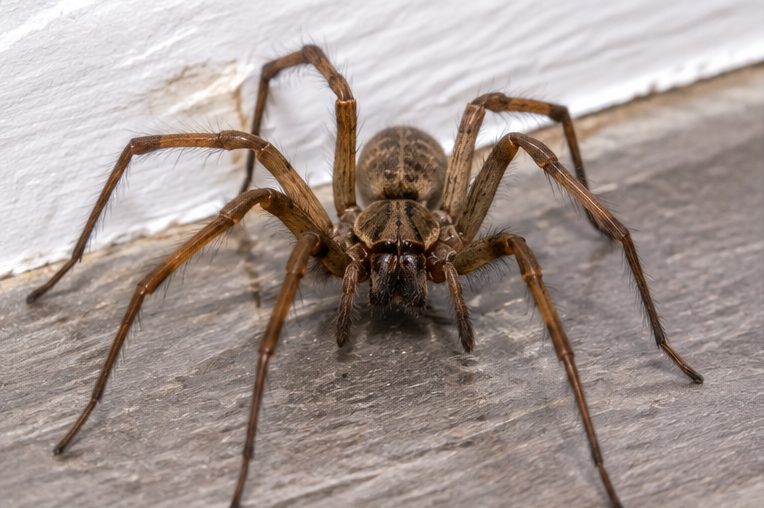
From late August a large, fast spider crossing a runner on the second-floor landing is a male house spider that has grown up and left its web to find a female. In a house with four floors and a long garden a few of these a season is simply the time of year, and they came from the cellar, the studio or a gap under a garden door rather than moving in. What actually needs treating looks different: webs, egg sacs and spiders rebuilding in one room week after week, all through the year. Why there seem to be so many spiders in the house explains the autumn wandering, and why spiders keep appearing in the same rooms draws the line between the two.
What a Treatment Changes, and What It Does Not
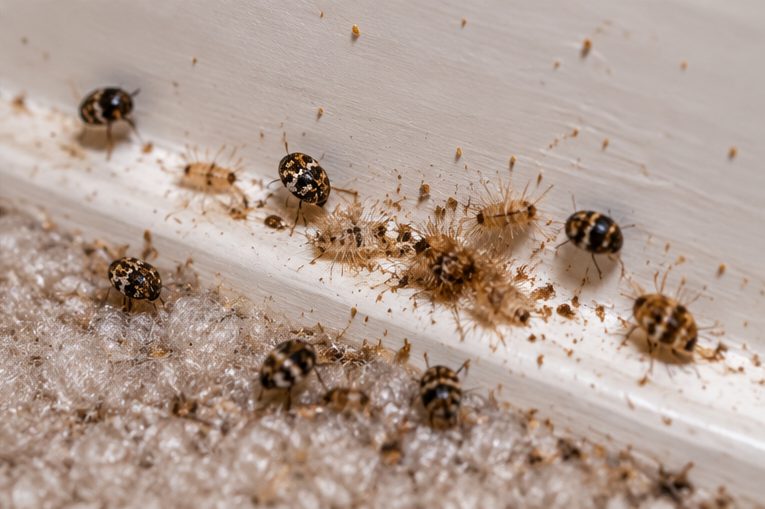
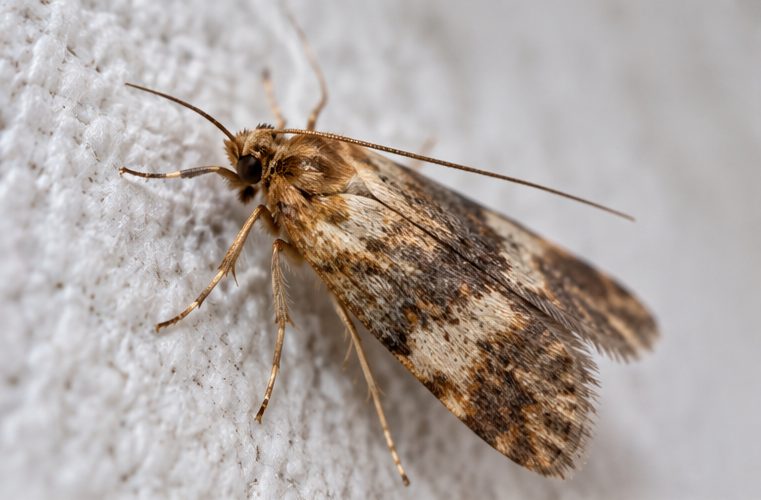
Treatment is aimed at the rooms where spiders have built up, and it brings those numbers down. It cannot seal a house and a garden off from each other, and it does not alter the insect supply that brought the spiders in, so anyone offering a spider-free house with glass doors onto a mature garden is overstating things. What pest control can do about spiders is honest about the limits. Where one room is unusually busy it is worth asking what the spiders are eating: carpet moths in a wool rug or carpet beetle larvae along a carpet edge both feed a spider population, and whether lots of spiders mean another pest problem looks at that link.
Before the visit
- List the rooms where the webs keep returning — the studio, a lower-ground room, a cellar, a top-floor box room
- Say whether a cellar or a vault under the front path is part of it, and how you get down to it
- Pull stored boxes, bikes and furniture a little away from the walls and corners so those areas can be reached
- Swap cardboard for lidded crates before the visit if you can, and say what is being stored in the studio
- Mention where you have seen false widows, and send a photo with your enquiry if you can take one safely
Spiders from the garden will still wander in afterwards, particularly through September and October. If webs and egg sacs build back up in the rooms that were treated, call and tell us which ones. Prices for the rest of the borough are on Spider Control Brent.
Fewer Webs in a Tall House With a Long Garden
Clearing regularly and tidying the edges does more over a year than anything else. Reducing spiders around windows and doors goes further, how to stop spiders coming back covers afterwards, and neighbouring Cricklewood has the same kind of period houses.
- Brush webs and egg sacs off the studio glazing and overhang, the shed corners, the lightwell and the vault joists every few weeks
- Fit a warmer-coloured bulb by the studio door and the lower-ground steps, or switch it off when it is not needed, so fewer insects gather
- Fill the gaps round sash boxes and door frames, and keep the vault grating and the cellar hatch closed
- Cut back shrubs, ivy and climbers so they do not touch the studio walls, the window frames or the garden door
- Keep stored items off the floor and away from the walls in the studio, the cellar and the eaves cupboards