The Spare Room Nobody Sleeps In
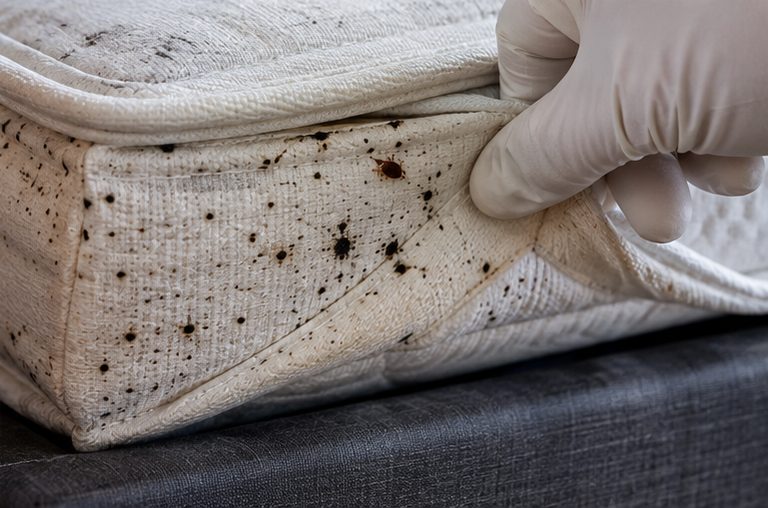
A big house usually keeps a room for visitors - the lower-ground room off the lightwell, or the small one at the top of the stairs - and it is used perhaps a dozen nights a year. That is the awkward part. Bed bugs left behind by a visitor have nobody to feed on and nobody to be bitten, so months can pass with nothing to notice, and the discovery is made by the next guest instead. Strip the bed and look along the seams within a day or two of anyone leaving, while you still know who stayed and when.
What settles the question is dark spotting on the mattress piping, pale shed skins and the insects themselves, rather than the marks on anyone's skin. Run through the first signs with a torch, and the guide to daytime hiding places will tell you why an afternoon inspection can come up with nothing at all.
Sleepovers and Mattresses That Travel
Children's sleepovers move bedding around a house in a way adults never do. A spare mattress comes out of a cupboard and goes down on a bedroom floor, sleeping bags are borrowed and returned, and kit bags come back from school trips and go straight onto a duvet. Anything that travels between houses and then sits against a bed is worth looking over before it is put away.
Suitcases Coming Home
Set a case down on a hard floor, a tiled hallway or a bath rather than on a bed or a carpeted bedroom floor, and take the clothes straight to the machine. Look along the lining seams and the wheel recesses before it goes back into storage.
A Bed or Chair Bought Second Hand
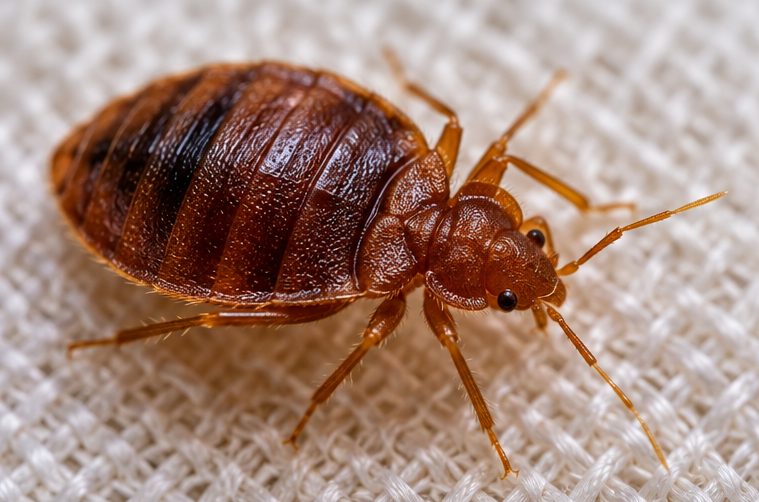
Houses this size absorb furniture: a bed for a teenager's room, an armchair for the study, a sofa from a clearance sale. Insects sit in the joints, the screw holes, the underside of a slatted base and the webbing beneath a chair rather than out where they can be seen, so look the piece over on the front steps or in the garden before it comes through the door, and pull the drawers out of a divan base. There are guides to upholstery and bed frames and to the routes into a home.
Preparing Bedrooms Over Three or Four Floors
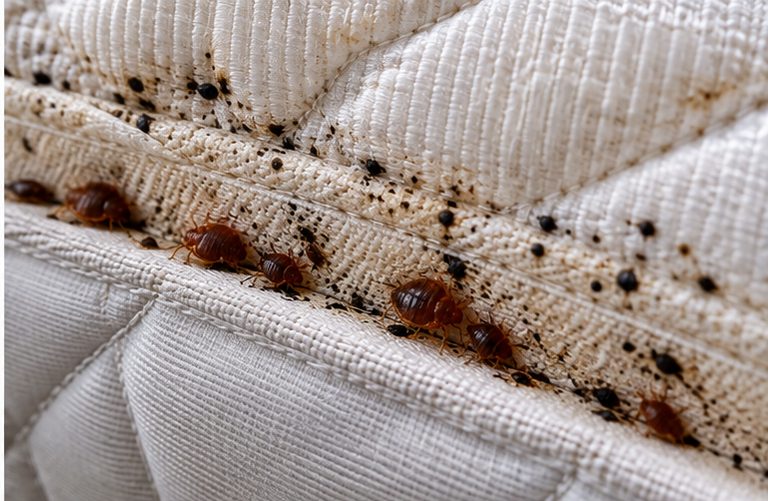
Height is the thing that makes a tall house different to prepare. The washing machine is usually at the bottom and the bedrooms are spread over the floors above, so bedding wants bagging and sealing in the room it came from and opening at the machine, not carried loose down two flights past every other bedroom door. The detail comes with the booking, and the guide to preparing a room sets out the general shape of it.
- Everyone stays in their own bed: a child moved to the guest room takes the problem there and doubles the job
- Seal bedding into a bag upstairs and open it at the machine, washing as hot as the labels allow
- Anything cleared from a bed base or a wardrobe bottom stays bagged in that room, not on the landing
- The mattress stays on its frame until you have spoken to us, whatever it looks like
- Nothing from a shop: foggers drive survivors along a joist and into the floor void of the room next door
Booking and the Days Afterwards
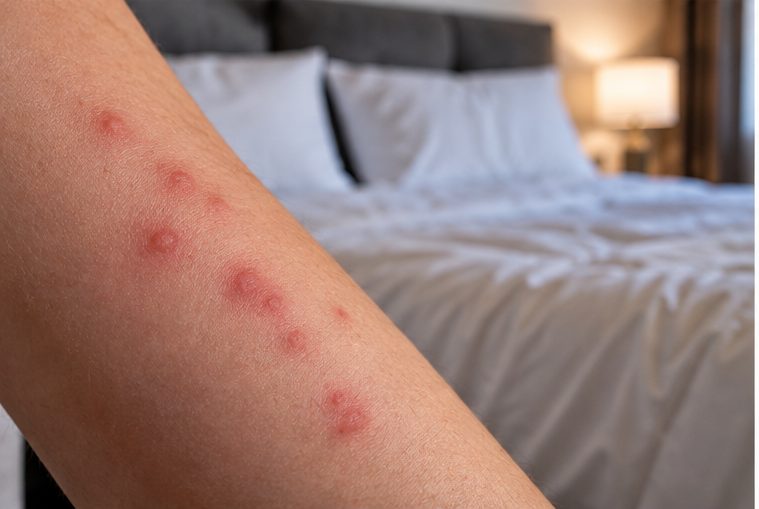
Two things are worth having ready when you book: the kind of property - a whole house, a flat carved out of one, a garden studio with a bed in it - and a list of every room that has signs. A bedroom is a room, and so is a study where somebody has been sleeping on a sofa bed. Say too whether visitors were bitten after staying, since that usually points at the room to begin with. Timescales follow the property and the size of the problem, as the guide on treatment times explains, and there is more than one reason for a sighting some days later. Ring us again if the biting carries on beyond the period we give you.
Keeping Bed Bugs Out of a Queen’s Park House
- Strip and check the guest bed after visitors go, rather than the week before the next ones arrive
- Store cases in a cupboard at garden level between trips, not on top of a wardrobe in a bedroom
- Look a second-hand bed or chair over in daylight on the front steps, before it goes down into the hall
- Keep spare mattresses and sleeping bags sealed between sleepovers, and check them as they come back out
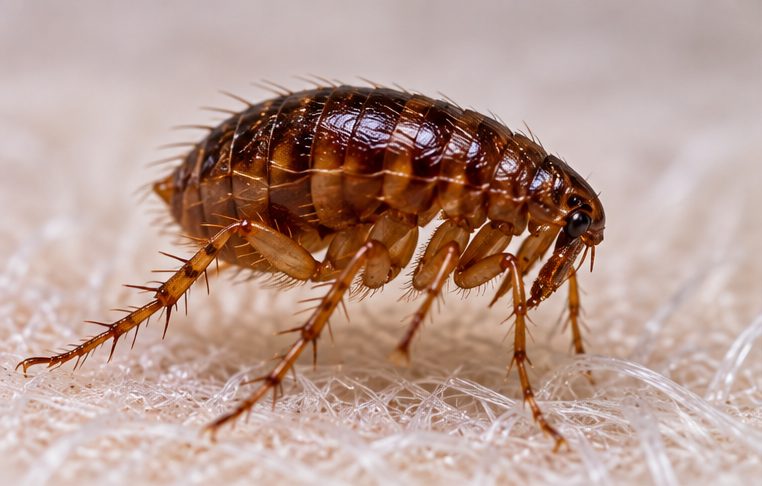
Bed Bug Control Brent sets out the service across the borough, the Brent advice page deals with what to do in the first day or two, and rooms in a house over in Kilburn are counted the same way as rooms here. Where the biting is around the ankles in a room the cat sleeps in, flea treatment in Queen’s Park is the page to look at.