Fleas That Came With the Room, Not the Tenant
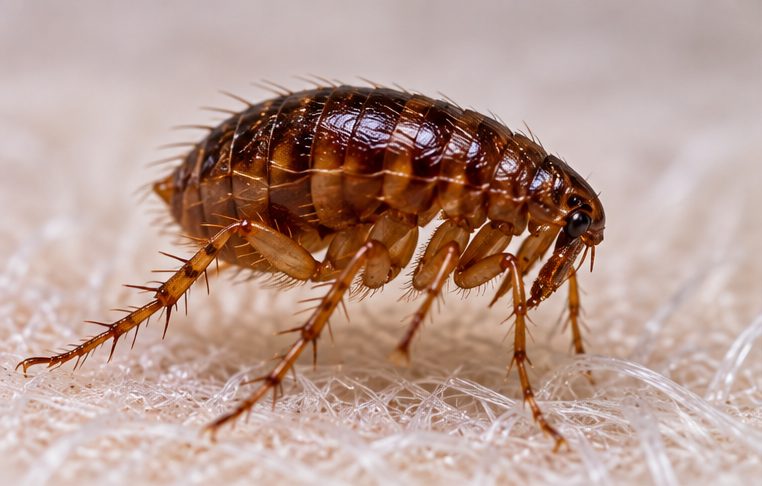
In a shared house or a converted flat, rooms turn over one at a time. Bedding and furniture arrive with the new person; the carpet, the underlay and often a rug stay exactly where they were. The stages that matter are not on an animal at all, but larvae feeding down in the pile away from the light and pupae in sticky cocoons along the skirting line and under anything heavy. A vacuum round before a viewing does not reach them, and neither does a fortnight of the room standing empty. Can you have fleas without having pets? explains how a household that has never owned an animal ends up bitten.
Checking before you unpack
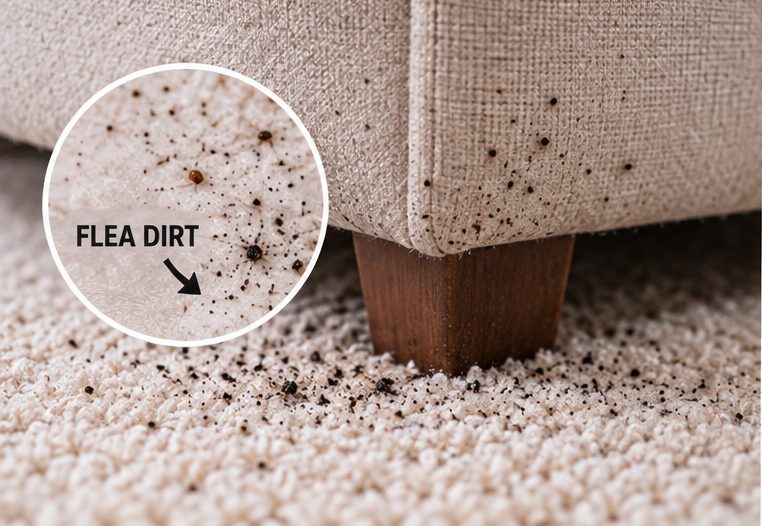
Take a torch round the edges of the carpet, the gap under a wardrobe and the join between carpet and floorboards. Dark specks that smear reddish on a damp piece of kitchen roll are flea dirt, and they mean an animal has been in the room. White socks and ten minutes of walking about will tell you the rest. How to know if you have fleas in your home goes through the signs properly.
Who Sorts It Out in a Shared House
Bites usually start in one room, which raises an awkward question when several people share a front door. Write down when they began, which room you sleep in and whether anyone in the house keeps an animal, then put it to the landlord or agent in writing; who arranges and pays for treatment depends on the tenancy agreement and on how the fleas got there. Pricing is by room either way, so one affected bedroom is £180 and two rooms are £240, with the shared stairs and landing not counted. What a landlord should weigh up between tenancies is worth reading before that conversation, and Kilburn covers shared houses in that part of the borough.
Cats and Foxes in the Yards and Back Gardens

Behind the parades and along the terraced streets are yards, sheds and small gardens that animals treat as their own. Cats sleep on a warm flat roof or in a shed left open; foxes lie up under a shed floor, behind stacked pallets or in rough ground near the railway. Fleas drop off wherever an animal rests, so those places hold eggs and larvae even though nothing lives there permanently. A ground-floor room with the back door propped open through the summer, or a cat flap fitted years ago, covers the last few feet.
If you have a cat or a dog of your own, the animal and the rooms are two separate pieces of work. Ask your vet about treating every pet in the household at the same time, and read whether pet flea treatments clear the house for the part a vet cannot do. Where fleas hide around the home shows where to start looking.
Getting a Room Ready
- Ask your vet about every cat and dog in the household, including one that is mostly outdoors
- Run the vacuum slowly along skirtings, under the bed and round the edges of any rug, then bag the contents outside
- Hot-wash pet bedding, throws and blankets that have been lying on the floor
- Take shoes, boxes and washing off the floor so the whole carpet can be reached
- Count the rooms where bites happen or a pet has slept, leaving out the hall, stairs and landing
Preparing a property for flea treatment has the full list. Carry on vacuuming afterwards, because cocoons go on hatching for a while and the vibration is what brings them out. How long that lasts depends on the room and on how long the fleas have been there. If you are still being bitten, tell us which room and when, and why fleas can still bite after treatment explains what is normal in the meantime.
Bites That Turn Out Not to Be Fleas
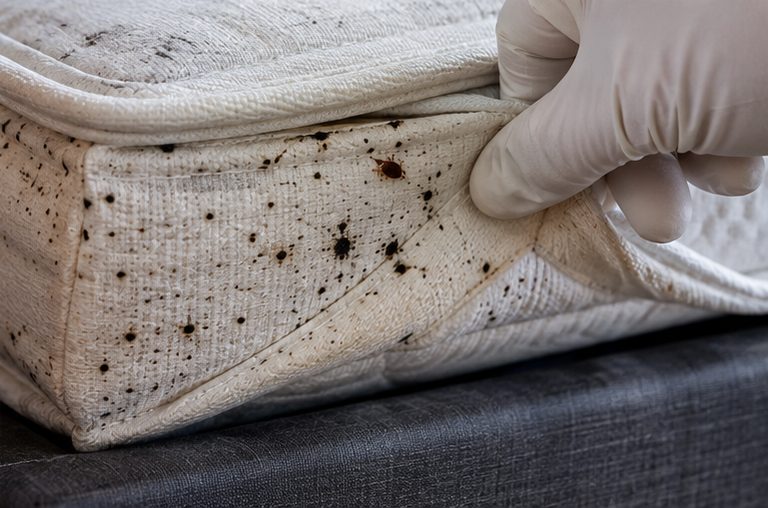
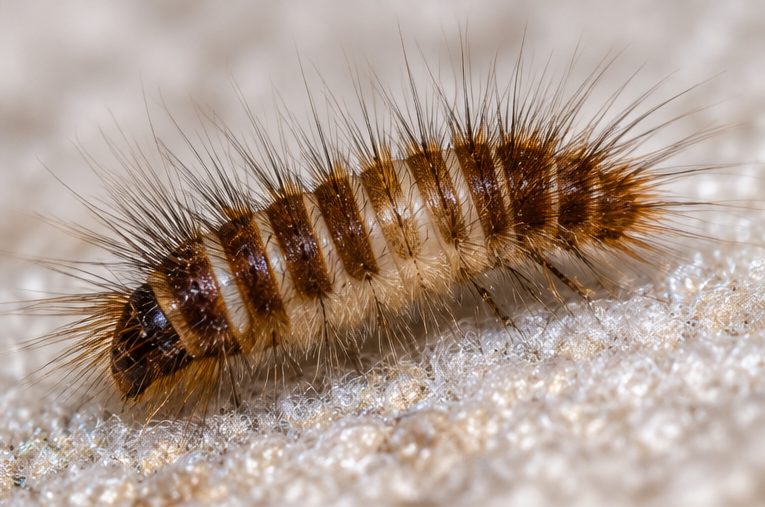
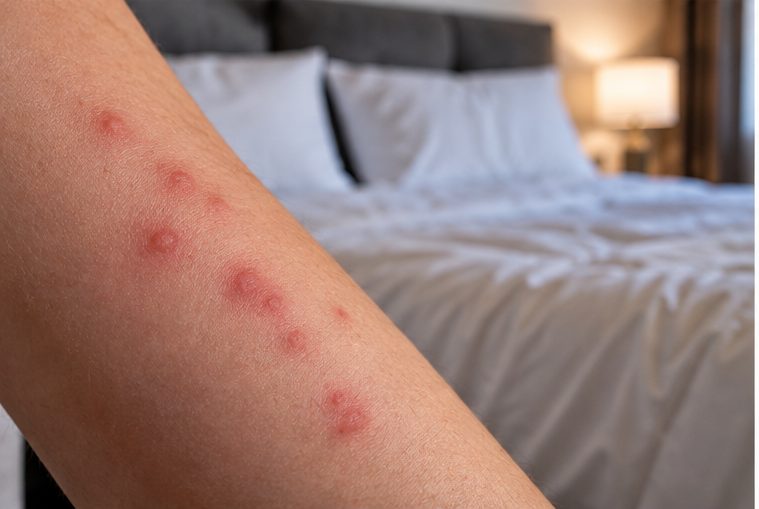
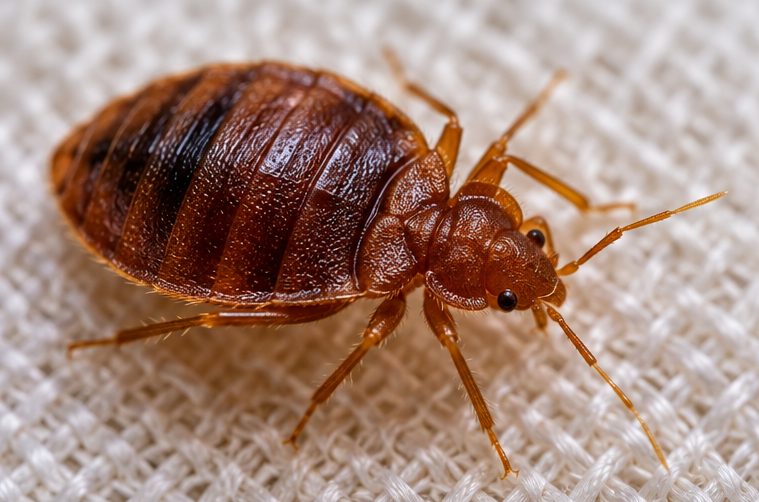
Bites around the ankles, with something that jumps, point to fleas. Bites on the arms, neck and shoulders that appear after a night in bed are worth checking against bed bugs, which suit buildings where rooms change hands often. Itchy skin with no clear bites, plus small hairy larvae along a carpet edge, can be carpet beetles instead. Speak to a pharmacist or GP about any bite that becomes infected or is not settling down.
Keeping Fleas Out of the Next Tenancy
Most of this comes down to the animals and the carpets. Flea problems after moving into a new home is worth passing on to whoever takes the room next, Flea Control Brent covers homes across the borough, and there is wider guidance in our Brent flea advice.
- Keep the flea protection on every animal in the household up to date, as your vet directs
- Vacuum where a pet sleeps at least once a week, and put its bedding through a hot wash as often
- Close gaps under a shed or decking in the yard, once you are certain no animal is underneath
- Keep the back door shut when the room is empty if neighbourhood cats let themselves in
- Tell the landlord, or the next tenant, if a pet has lived in the room