Bitten in the First Week in a Willesden Flat
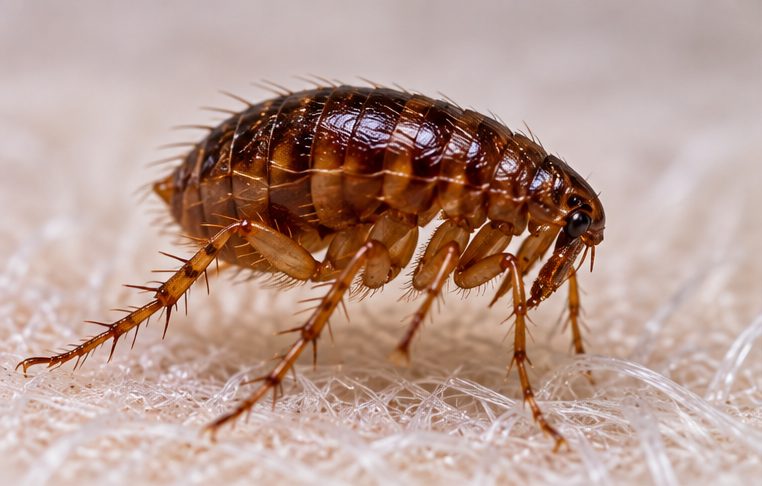
Adult fleas live on an animal, but their eggs do not stick; they roll off wherever the cat or dog settles and develop in the floor covering underneath. That is why a flat can be spotless at the viewing and still produce a wave of bites round the ankles days after the keys change hands. Cocoons hold their adults back until vibration, warmth and carbon dioxide say someone is there, and moving in supplies all three at once. Can you have fleas without having pets? explains how a household with no animal ends up bitten.
Carpet that was there before you were
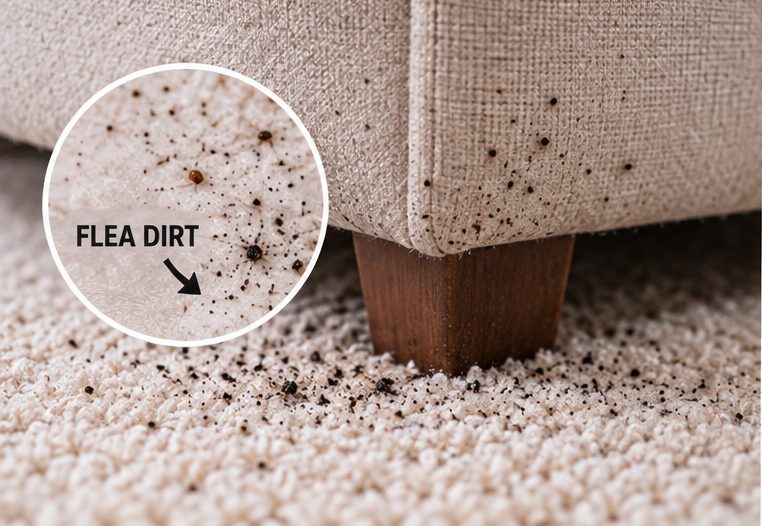
In a converted house the flooring is often inherited: a carpet laid over the original boards by a previous owner, a landlord's neutral cord in the bedrooms, a rug left behind because it was not worth moving. Larvae work down away from the light into the pile, into the gap at the skirting and into the joints of the boards beneath — the Pest Control Willesden page describes what those old floors are like underneath. Vacuuming lifts some of them, but not the ones already below the surface, which is why a thorough clean before you move in is not the whole answer. Where fleas hide around the home covers the less obvious spots, and fleas in beds and sofas deals with the furniture.
Who arranges it in a converted house
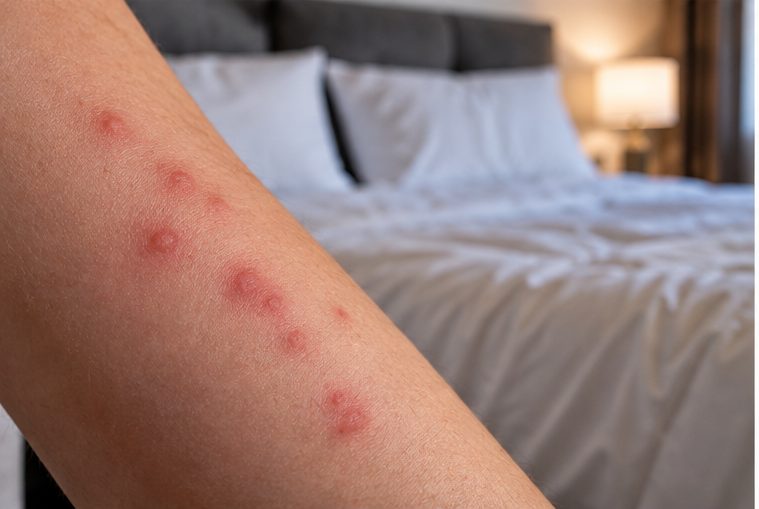
Inside your own flat, a tenant should tell the landlord or agent in writing what the bites are, when they started and which rooms they happen in; who pays depends on the tenancy and the circumstances. The communal hallway and the stair carpet up to the flats belong to the freeholder or managing agent, so mention fleas there to them rather than trying to sort it between neighbours. If the flat next door or below also has an animal, it is worth a word, because everyone uses the same front door and hall. Do landlords need flea treatment between tenancies? sets out when treating before a re-let makes sense.
Cats and Foxes in the Back Gardens and Alleys

Behind these terraces the gardens run in one long chain, linked by walls, fences and the rear passage, and cats use the whole chain as a single territory. Foxes lie up under a shed, in a pile of timber down the side alley or beneath a decked corner. Fleas drop off wherever an animal rests, so a resident cat that sleeps under your shed, or a fox beneath the decking, leaves eggs and larvae right beside the back door. A cat flap that any local cat has learned to use brings the same thing indoors. It is one of the reasons a ground-floor flat with no pets of its own can still get fleas.
Getting a Willesden Flat Ready
- Speak to your vet about treating every cat and dog in the home at the same time, indoor cats included
- Vacuum carpets, rugs and upholstery slowly, working along the skirting and under the bed, then put the contents straight in the outside bin
- Hot-wash pet bedding, throws and any blanket a pet sleeps on, where the label allows
- Take shoes, bags, toys and storage boxes off the floors, and clear the bottoms of wardrobes
- Lift rugs where you can, and say if there are bare boards with open joints under the carpet
- Count the rooms with bites, carpet or a pet's favourite spot, leaving out the hall, landing and stairs
Preparing a property for flea treatment has the full checklist, and our Brent flea advice takes in the wider picture.
After the visit
Keep vacuuming every day for a while: the vibration is useful, because it encourages the remaining fleas out of their cocoons. How long that goes on varies with the flat and how established they were, so nobody can put a date on it honestly. If bites are not easing, or live fleas keep turning up, tell us which rooms and we will take it from there. Why fleas can still bite after treatment explains what is going on.
Keeping Fleas Out Once You Have Settled In
Most of it comes back to the animals, yours and the neighbourhood's. Flea Control Brent covers the rest of the borough, and nearby Kilburn has the same kind of shared houses.
- Keep every pet's flea protection up to date on your vet's advice, and ask the vet to check a rescue or new pet before it settles in
- Fit a microchip cat flap if other cats have been letting themselves in
- Once you are certain nothing is living under it, close the gap beneath a shed or decking where foxes and cats shelter
- Vacuum the spots your pet sleeps in weekly, and wash its bedding often
- If you are buying or renting here, ask whether the last occupants had animals and whether the carpets are staying