Where the Fleas Actually Are in a Family House
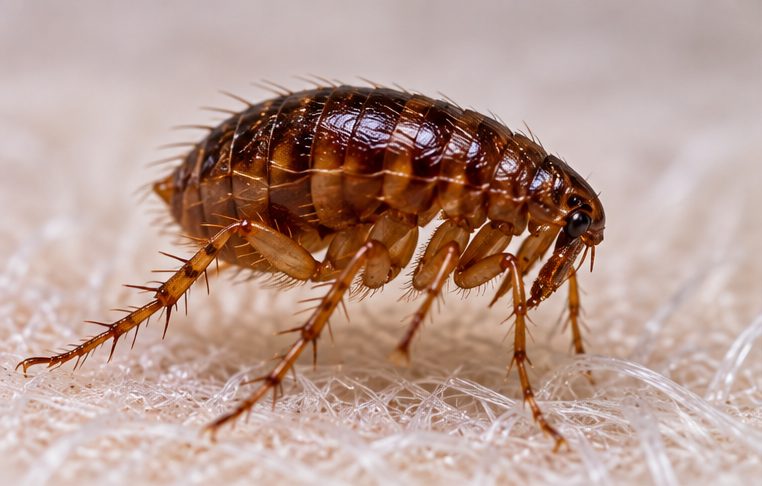
Follow the animal rather than the bites. Fleas develop where a cat or dog rests, not where it walks, so the places that matter are the basket, the spot beside the radiator, the end of a sofa, the foot of a bed and the patch of floor by the back door where the dog lies after a walk. In a house with rooms this size the larvae work away from the light, deep into the pile or down into the joints of the boards, and then spin a cocoon and wait for the warmth, vibration and breath of something passing. The less obvious spots are in where fleas hide around the home, while fleas in beds and sofas takes on the furniture.
Rugs and the stair carpet between floors
Bites tend to appear on more than one floor, because the animal uses the stairs and a loose rug travels from room to room when the house is rearranged. Lift the rugs in the rooms the pet uses and look at both the underside and the floor beneath them before anybody moves anything, and do not carry one through into a room that is otherwise clear. Stairs and landings are never counted as rooms in the pricing, but they are worth vacuuming as thoroughly as the rooms on either end of them.
Cats and Foxes in Gardens That Run Downhill

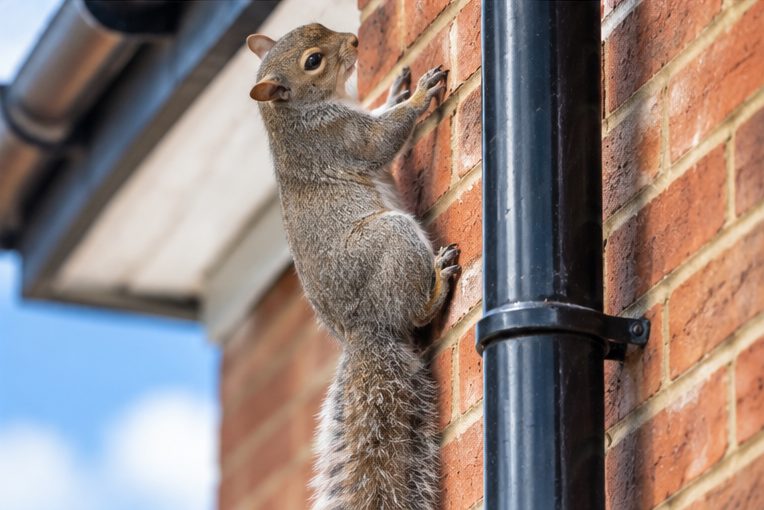
Long gardens backing onto one another, with mature trees, sheds and compost at the far end, make a continuous run of cover for animals that are not yours. A fox will lie up under a shed, behind a stack of timber or in the gap beneath a garage that has settled on the slope; a neighbourhood cat treats the whole row of gardens as one territory and picks a warm corner in it. Fleas drop where those animals rest, which can be a few feet from a back door that stands open all summer. A cat flap fitted years ago closes the last of the distance. Never block a gap under a shed or a garage until you are certain nothing is living under it.
Where you have an animal of your own, the pet and the rooms are two separate pieces of work that have to happen close together. Ask your vet about treating every cat and dog in the household at once, indoor cats included, and read whether a pet treatment clears the house for the part the vet cannot reach. If the animals have gone and the biting has not, can you have fleas without having pets? explains how that happens.
Making Sure the Bites Are Fleas
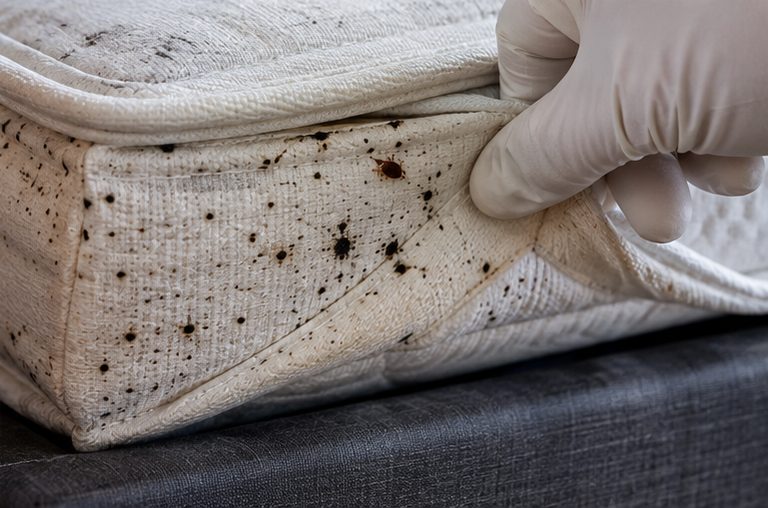
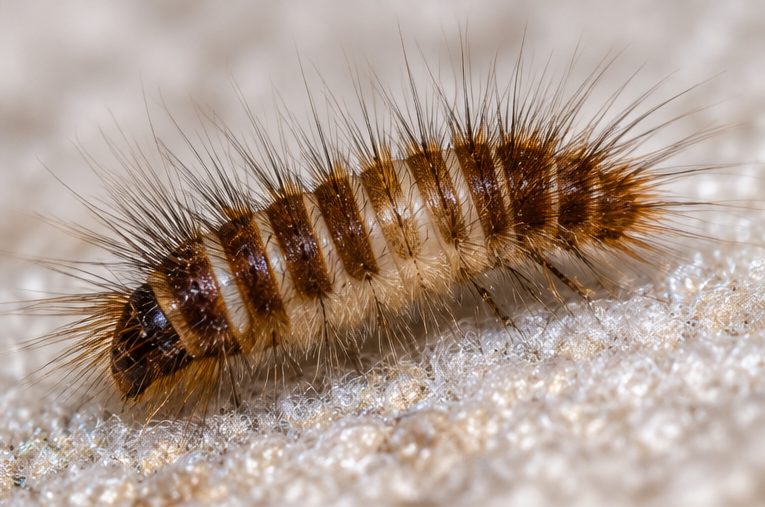
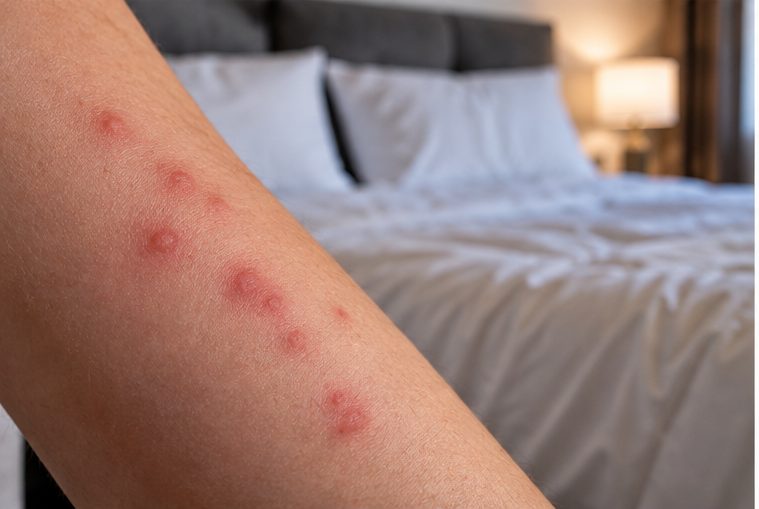
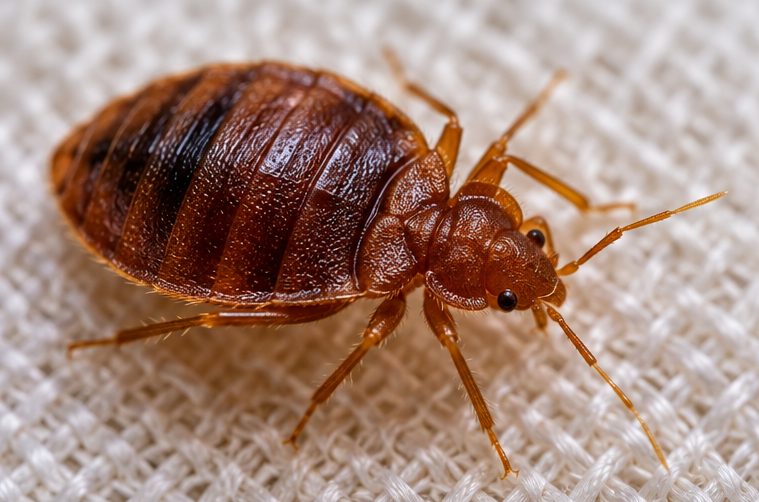
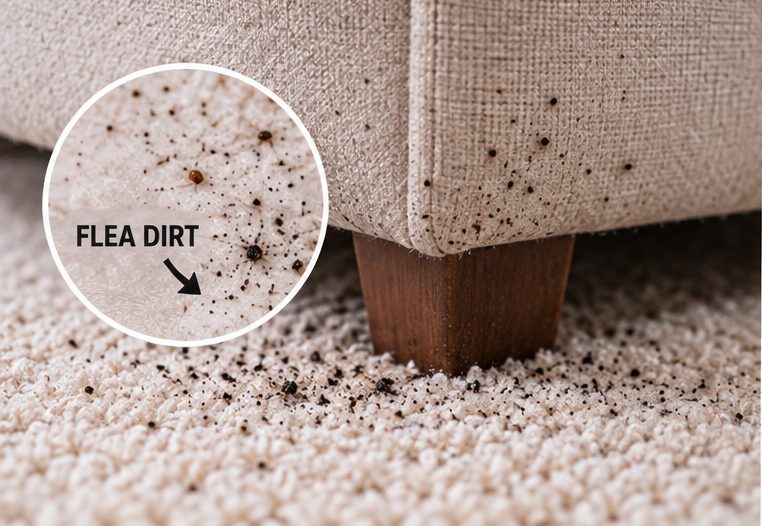
Small, very itchy bites clustered on the ankles and lower legs, together with something tiny that jumps off a sock, point to fleas; that is as high as one can jump from the floor. Run a torch along the carpet edge, under the beds and into the gap where the covering meets bare board, looking for dark specks that smear reddish on damp kitchen roll, and walk about for ten minutes in white socks. How to know if you have fleas at home goes through the checks. Bites appearing overnight on the arms, neck and shoulders fit bed bugs better, and itching with no clear bite marks alongside small bristly larvae at a carpet edge can turn out to be carpet beetle instead. Any bite that looks infected is one for a pharmacist or GP.
Counting Rooms in a House This Size
A house is treated room by room rather than as a whole building, which usually works out in your favour: what gets counted is the rooms where bites happen or where the animal has spent its time, plus any room with carpet, a rug or upholstered furniture that the pet uses. Halls, landings, stairs and the shared entrance of a house divided into flats are never counted, carpeted or not. Bare boards do not exempt a room either, because the larvae shelter in the joints, under a rug laid over the top and inside the sofa. Tell us the layout and which rooms are involved and the total is confirmed before you book.
Getting the Rooms Ready
- Book every cat and dog in with your vet, so the animals and the rooms are handled within days of each other
- Vacuum slowly along the skirting, under the beds and round the edges of every rug, then empty the vacuum into an outside bin
- Hot-wash pet bedding, throws and anything an animal sleeps on, where the care labels allow
- Clear the floors: shoes, toys, bags and storage boxes out of the way and the bottoms of the wardrobes emptied
- Leave rugs where they are rather than moving them into a room that is not being treated
- Count the rooms that need doing and leave the hall, the landing and the stairs out of the number
The full checklist is in preparing a property for flea treatment, and the Brent flea advice guide stands further back from it.
The weeks after the visit
Carry on vacuuming every day for some weeks yet. Cocoons hatch over a period rather than all together and the vibration of the machine is part of what brings them out, so the vacuuming is doing something useful rather than undoing the visit. How long it goes on depends on the rooms and on how settled the fleas had become, and nobody can honestly put a date on it; how long flea treatment takes to work sets out what affects it. If bites are not easing, tell us which rooms and when, and why fleas can still bite after treatment explains what is normal in the meantime.
Keeping Fleas Out of a Dollis Hill Home
Nearly all of this comes back to the animals and the floors. Flea Control Brent covers homes across the borough, and Pest Control Dollis Hill lists the other services here; the family houses in Queen’s Park raise much the same questions.
- Follow your vet's advice on year-round flea protection for every animal, and have any new or rescue pet looked over before it settles in
- Run the vacuum over your pet's sleeping places once a week and wash its bedding on the same rhythm
- Once you are sure nothing is living under there, close the gap beneath a shed, a garage or a decked corner of the garden
- Change an old cat flap for a microchip one where the neighbourhood cats have worked out how to use it
- Check a second-hand rug, mattress or armchair over before it comes through the front door
- If a pet has lived in a house you are selling or letting, say so, so the next household is not caught out