The Places a Cat or Dog Actually Sleeps

Sketch the ground floor and mark the spots the animal uses: the end of the sofa, the rug in front of the radiator, the foot of a bed, the armchair nobody else sits in, the mat inside the back door, and in summer a shaded patch of boards by the patio door. Those marks are the map of the problem. The adults feed and lay on the animal, the eggs drop where it lies, and the larvae crawl away from the light into the pile, the gap at the skirting and the seam of a cushion before pupating somewhere nothing reaches. It is why treating the pet on its own leaves a household still being bitten. Where fleas hide around the home goes through the hiding places, and fleas in beds and sofas deals with the furniture.
Carpets, rugs and bare boards
Wool carpet in the bedrooms of a larger house, a rug thrown over sanded boards in a terrace, a runner on the stairs — each holds a different amount. Deep pile gives the larvae the most cover; a flat rug on bare boards gives them less, but the open joints underneath make up the difference, which is why hard floors are no protection on their own. Under the bed, behind the sofa and along the edge of a room are the parts that matter, and those are the parts a vacuum cleaner usually misses.
Foxes and Other People's Cats Outside
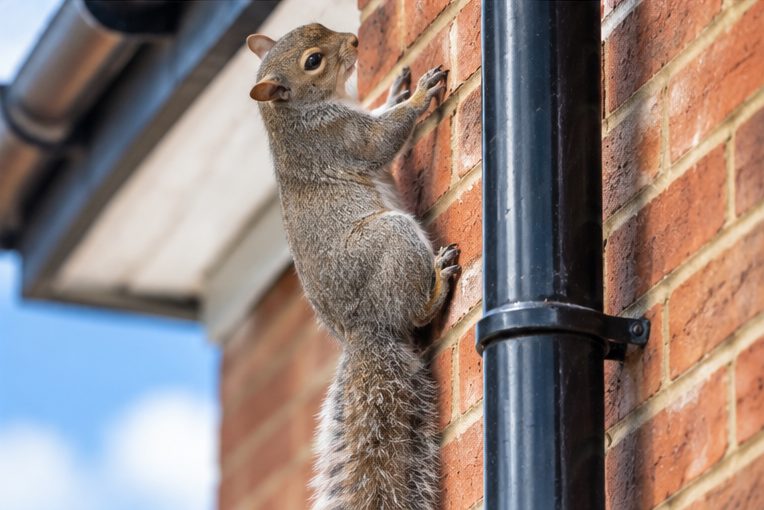
A fox does not need to come indoors to matter. One lying up under a shed, behind stacked timber in the alley or in the dry space beneath decking leaves eggs and larvae in the dust and soil there, and that is only a few metres from a doormat. Cats that are not yours use the fences and walls as a road and will take over a shed or a porch given the chance; a cat flap they have worked out brings them further in than that. It is one reason a household whose own cat never goes out can still find fleas. Can you have fleas without having pets? is worth reading even when there is a pet in the house.
Making Sure the Bites Are Fleas
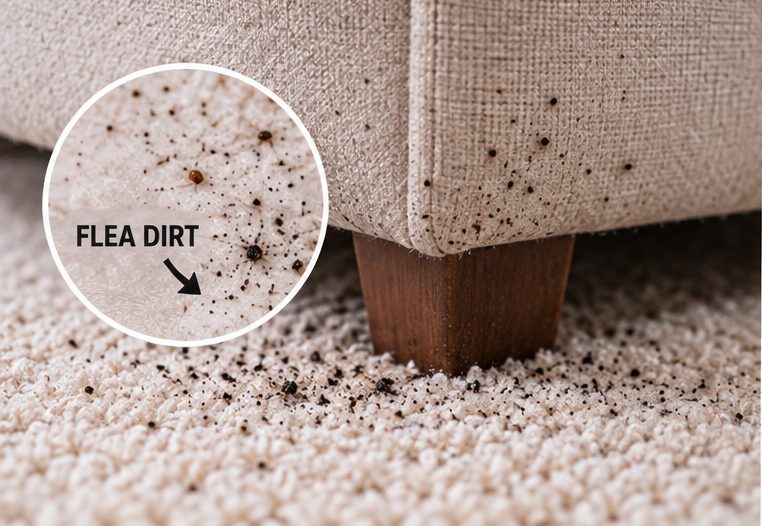
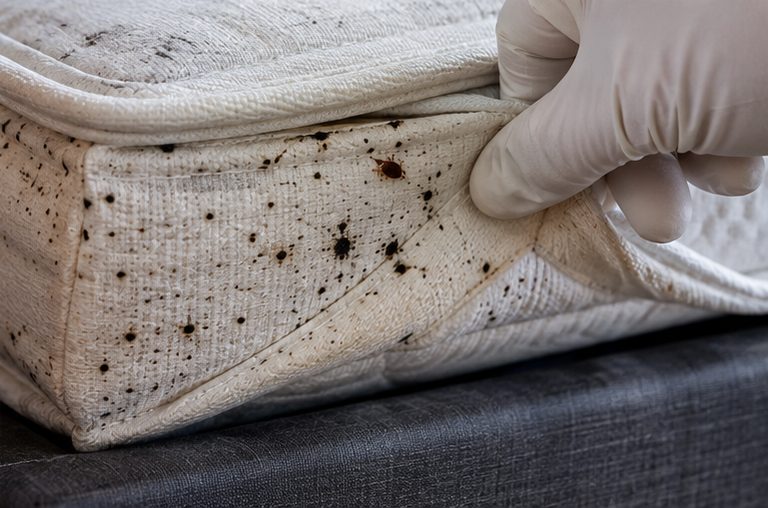
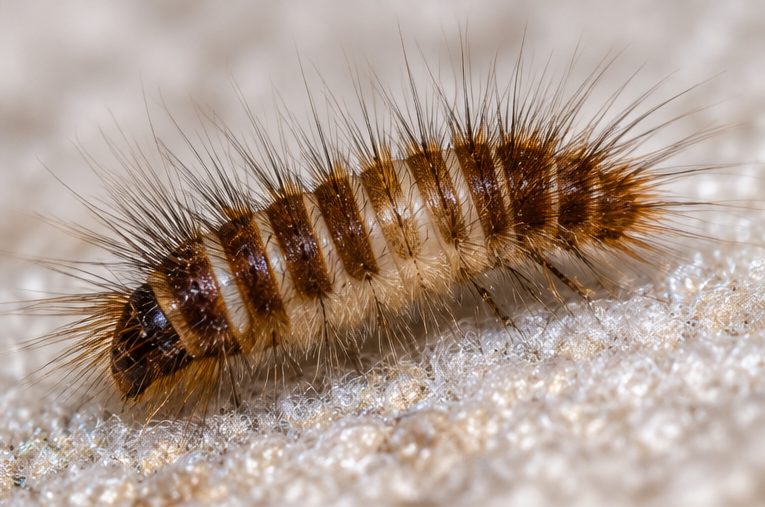
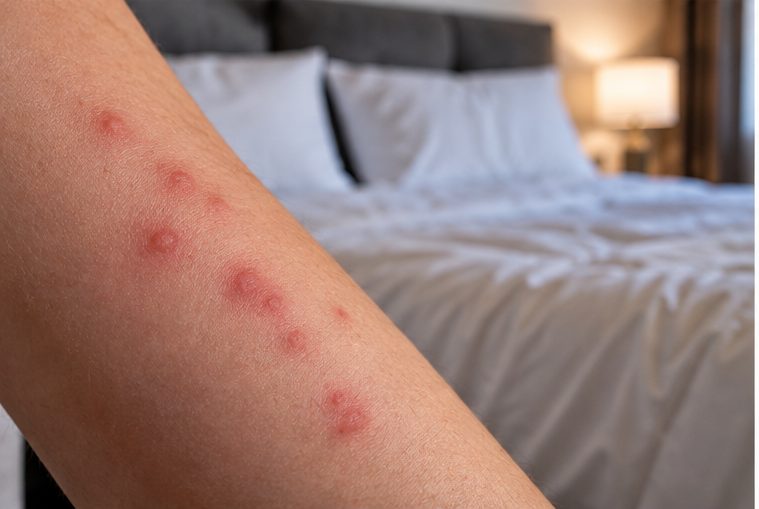
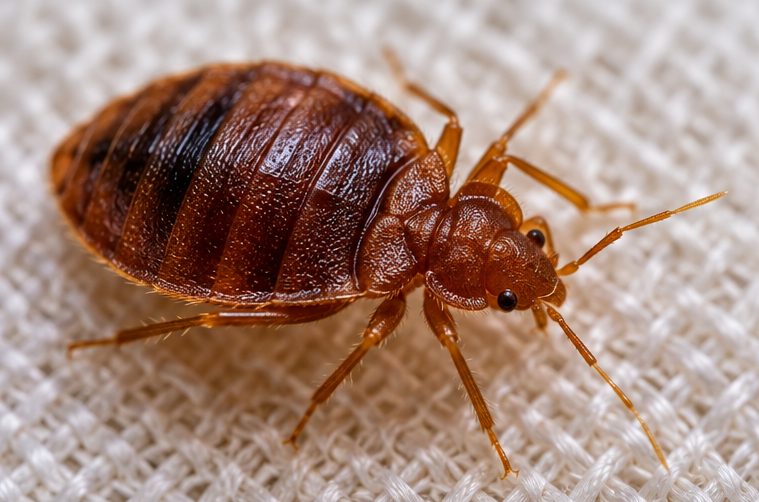
Flea bites are small, very itchy and usually below the knee, often two or three close together, and they are worst on whoever spends the evening with their feet on the rug. The other check costs nothing: lay a sheet of damp white paper beside where the animal sleeps, comb the pet or brush the carpet over it, and look for dark specks that bleed rusty red into the paper. Live fleas will jump onto pale socks if you stand still on the carpet for a minute. Bites across the arms, neck and shoulders that turn up overnight point to bed bugs instead, and itchy skin along with tiny bristly larvae at a carpet edge suggests carpet beetles. A pharmacist or GP can advise on any bite that looks infected, and how to know if you have fleas has the full list of signs.
Getting a Pet Household Ready
- Ask your vet to treat every cat and dog in the house at the same time, indoor animals included
- Vacuum slowly along the skirtings, under the beds and behind the sofa, then empty it straight into the outside bin
- Hot-wash pet bedding, throws and the blanket on the armchair wherever the label allows
- Lift the small rugs and clear the floors of shoes, toys, baskets and storage boxes
- Tell us if there are bare boards with open joints under a carpet or rug
- Count the rooms with carpet, rugs, upholstery or a regular sleeping spot, leaving out the hall, landing and stairs
Preparing a property for flea treatment has the full checklist, and our Brent flea advice takes the wider view; fleas already waiting in a property before you moved in are covered on Pest Control Cricklewood.
After the visit
Carry on vacuuming daily for a while, because the vibration is useful — it encourages the ones still in their cocoons to emerge. How long that goes on varies with the house and how established they had become, so no honest date can be put on it. Keep the animals' own protection going on your vet's schedule, since one untreated pet restarts the whole cycle. If the biting is not settling, or live fleas keep turning up, tell us which rooms and we will take it from there; why fleas can still bite after treatment explains what is going on in the meantime.
Staying On Top of It in a Pet Household
With animals in the house this is maintenance rather than a one-off job. Flea Control Brent covers the rest of the borough, and nearby Queen’s Park has much the same mix of housing.
- Keep every animal's flea protection current on your vet's advice, and have a rescue or newly arrived pet checked before it settles in
- Wash the bedding from the two or three spots your pet favours on a hot cycle every couple of weeks
- Vacuum those same spots weekly, edges and the space under the furniture included
- A cat flap that reads a microchip keeps the neighbourhood's cats, and their fleas, on the other side of the door
- Close off the space under a shed or decking only once you are certain a fox is not lying up in it, and take advice first in spring
- Groom a dog that walks the alleys and the park over a hard floor rather than over the rug