Fleas Left Behind in a Canalside Let
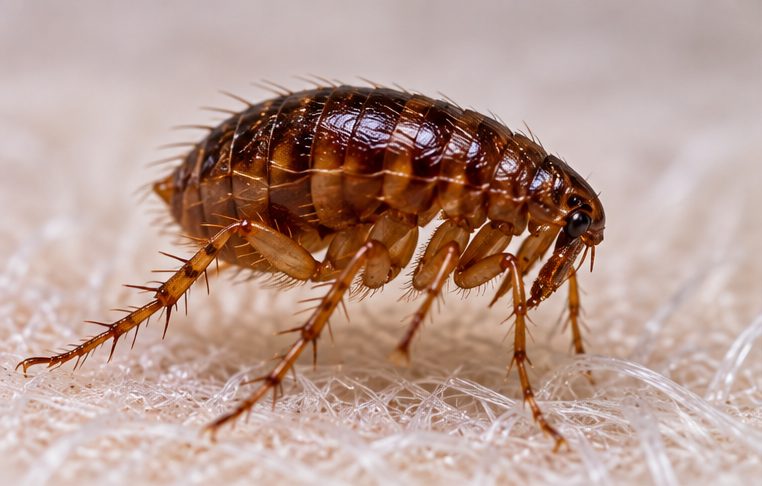
The adult flea lives on an animal, but every stage before that happens in the floor. Eggs roll off wherever the animal settles, the larvae burrow down into the pile away from the light, and the pupa waits inside a sticky silk cocoon until something tells it a host has arrived. Warmth and vibration are that signal, which is why a flat that looked immaculate at the viewing can produce bites within days of the van being unloaded. It is also why a household that has never kept an animal can find itself scratching.
What to note before you call anybody
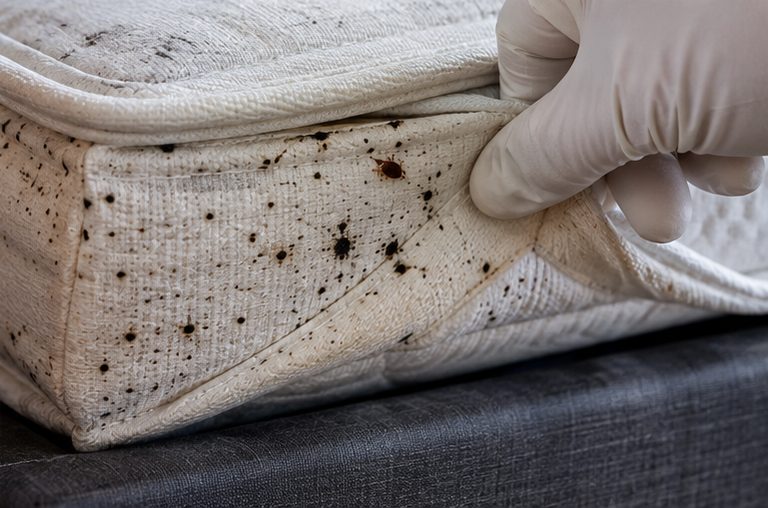
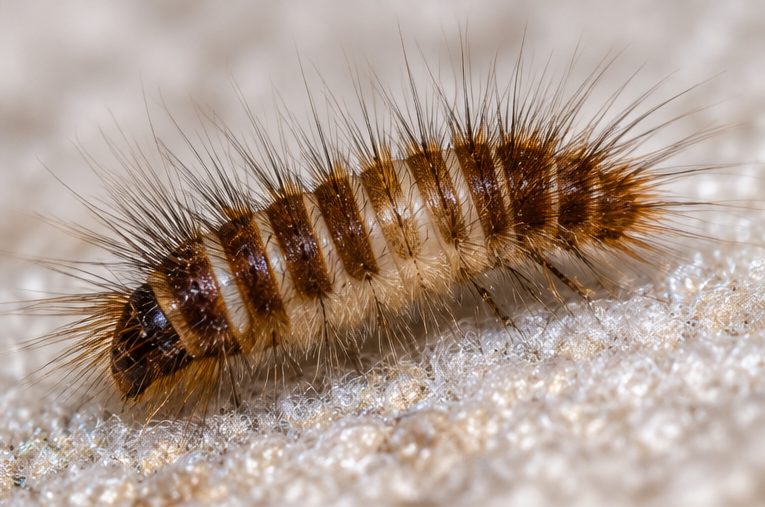
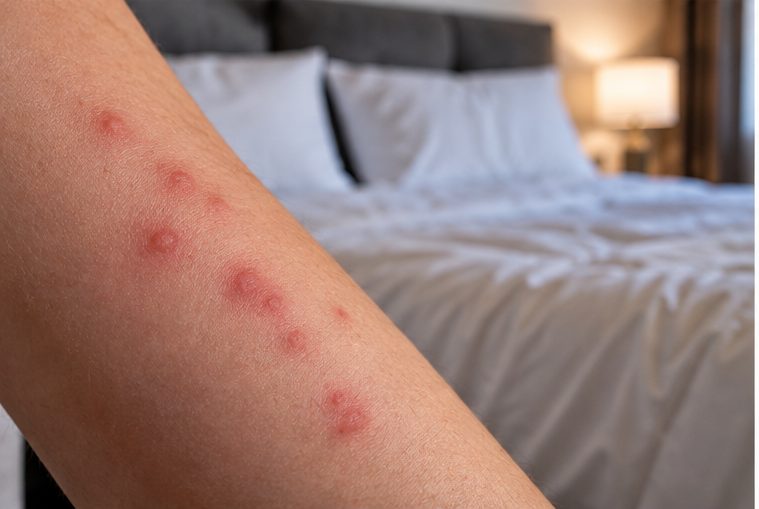
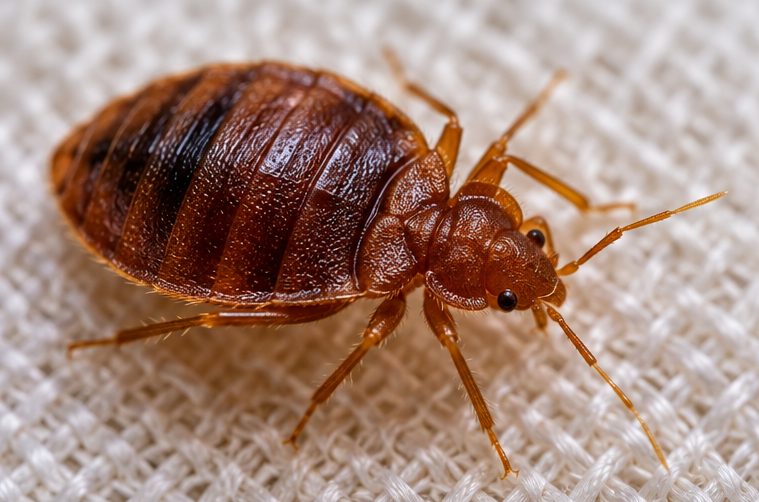
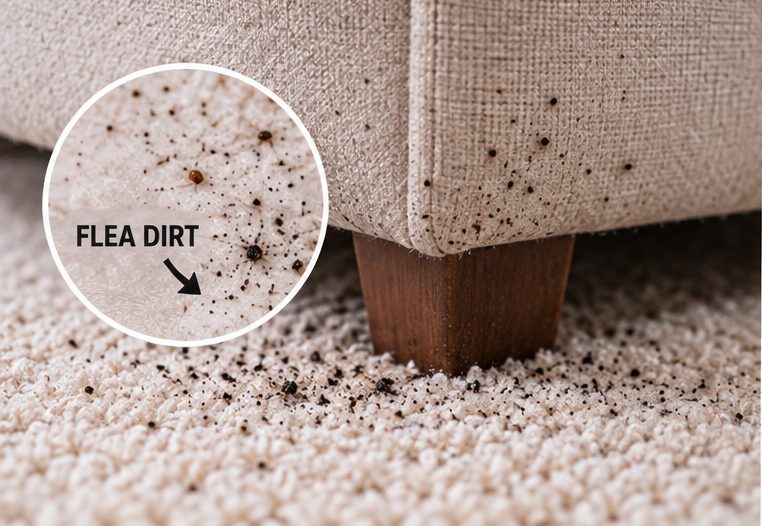
Flea bites are small, itchy and usually clustered on the ankles and lower legs, because that is as far as a flea can reach from the floor. You may also find dark specks beside a sofa leg or at the edge of a mattress, or see something tiny jump onto a sock. Write down the date you moved in, the date the bites started and which rooms they happen in. Bites that appear overnight on the arms, neck and shoulders fit bed bugs better, and itchy skin alongside small bristly larvae at a carpet edge points to carpet beetles. The checks are set out in how to know if you have fleas at home, and any bite that looks infected is one to take to a pharmacist or GP.
Dogs, the Towpath and the Bank

A towpath is a long, narrow route that a great many animals use, and the banks and planting either side of it are where they rest. A dog walked the same way every day meets that ground twice a day, and foxes lie up in bankside vegetation as readily as they do under decking or a shed in the older gardens. Fleas drop off where an animal lies, not where it walks, so the problem travels home in the dog's coat rather than on the towpath itself. The same applies to cats crossing a landscaped courtyard between the blocks.
Speak to your vet about treating every animal in the household at the same time as the rooms are dealt with, because a treatment on the animal alone never reaches what is already down in the carpet. In a flat the pet's favourite places sit close together, so the bed, the sofa and the rug by the door may all be involved at once; fleas in beds and sofas covers the furniture.
Counting Rooms in an Open-Plan Flat
Newer flats often run the kitchen and living space together, with hard flooring there and carpet in the bedrooms. That usually concentrates the problem in the bedrooms and under any rug, though hard floors are not an answer on their own, because larvae shelter in the gaps along skirting boards, beneath a rug laid over a hard floor and inside upholstery. Tell us the layout and which areas are affected and we will confirm the count before you book. Where fleas hide around the home helps if you are unsure which rooms to include.
Putting It to a Landlord or Managing Agent
Raise it in writing and raise it early. Send the dates and the rooms to your landlord or letting agent rather than mentioning it in passing, and ask whether the previous occupant kept an animal. Who arranges and pays for treatment depends on your tenancy agreement and on the circumstances, so it is worth reading what the agreement actually says before the conversation. If you are the landlord or the agent, treating a flat while it stands empty is far simpler than working round a new tenant's belongings and heads off a complaint in the first fortnight; do landlords need flea treatment between tenancies? covers when it is worth doing, and neighbouring Stonebridge looks at renting from a housing association.
Getting the Flat Ready
- Vacuum thoroughly into the carpet edges, under the bed and along the skirting, then empty the vacuum into an outside bin
- Put bedding, throws and the pet's own blanket through a hot wash if the care labels permit it
- Take bags, shoes and storage boxes off the floors and out of the bottoms of the wardrobes
- Leave rugs where they are rather than carrying them through into another room
- Work out how many rooms actually need doing, with the hall, the landing and the stairs left out of it
The complete list sits in preparing a property for flea treatment, while our Brent flea advice stands further back from the problem. If you have only just moved in, flea problems after moving into a new home is the place to start.
After the visit
Keep vacuuming every day for a while yet. Cocoons hatch over a period rather than all together, and the vibration of the machine is what prompts them; how long that carries on depends on the flat and on how settled the fleas had become, and how long flea treatment takes to work sets out what affects it. If bites are not easing, or live fleas keep turning up, contact us again and say which rooms. The usual explanations are gathered in why fleas can still bite after a treatment.
Keeping Fleas Out of an Alperton Flat
Almost all of this comes back to the animals and the floor coverings. Homes in the rest of the borough are covered on Flea Control Brent.
- Keep every pet's flea protection up to date, following your vet's advice, whatever the season
- Run the vacuum over the animal's own spots and put its blanket through the wash every week or so
- Wipe a dog down after a walk along the towpath, and keep it out of bankside undergrowth where you can
- Check a second-hand rug, mattress or armchair before it comes into the flat
- If a pet has lived in a flat you are leaving, say so, so the next tenant is not caught out