How Bed Bugs Travel Into an NW2 Home
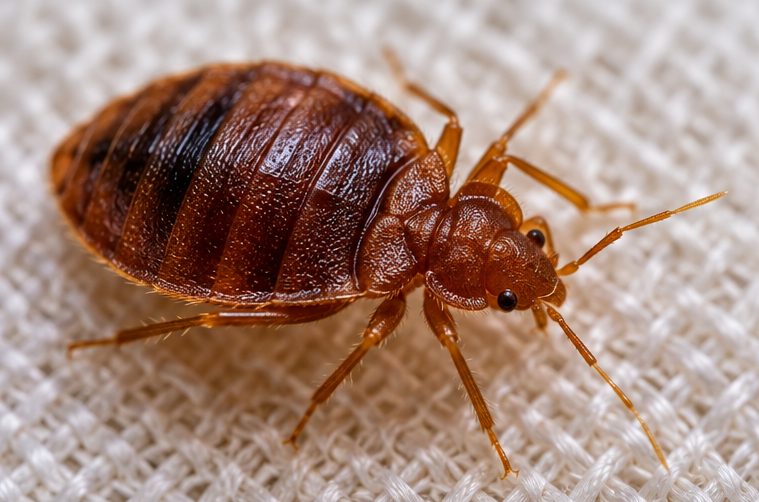
A bed bug is flat enough to sit in the seam of a holdall or the fold of a packed jacket, and patient enough to stay there for a whole journey. It gets off wherever that bag is set down. Cricklewood station is on Thameslink, so journeys end here at every hour with cases that spent the previous night somewhere else, and a household with several people coming and going has more chances of receiving one. The guide to how bed bugs get in runs through the other routes, though knowing which one it was rarely changes what has to happen next.
The First Ten Minutes Home From a Trip
What you do with a case when you walk back through the door matters more than where you went. Stand it on a hard floor or in the bath rather than on the duvet, put whatever can take a hot wash straight into the machine, and run your eye along the lining seams and the wheel recesses before the case goes back under the bed or on top of a wardrobe. A suitcase stored in a bedroom is an unhelpful place to leave a passenger.
Visitors and the Sofa Bed
The other half of the traffic is people staying with you. Guests sleep on sofa beds, air beds and spare mattresses with their bags on the floor beside them, and if anything came along it will still be there long after the visit is forgotten. When bites start a week or two after someone stayed, strip whatever they slept on and look at the frame, the folds and the underside. Mention it to them kindly as well, so they can check at their end; it is a piece of bad luck, not a comment on anyone's housekeeping.
Shared Walls and One Front Hall in a Converted House
A great many Cricklewood houses have been divided into flats, with a single front door to the street and a hall and staircase that every household uses. Bed bugs make use of both. A bedroom pressed against the wall or floor of the next flat has pipe holes and socket boxes to travel through, and the hall is where bags, bedding and furniture get put down on the way in and out, so a flat can pick them up without ever having a visitor of its own. The guide on bed bugs spreading between flats sets out the routes.
Tell the households either side of you, and put it to the freeholder, landlord or managing agent in writing, because rooms dealt with one at a time across a building can keep handing the problem back. Never stand a mattress or a divan base in the communal hall while you decide what to do with it. If you have only just taken the tenancy, say so when you ring, and Pest Control Cricklewood covers the checks worth making when you move in.
Making Sure It Is Bed Bugs
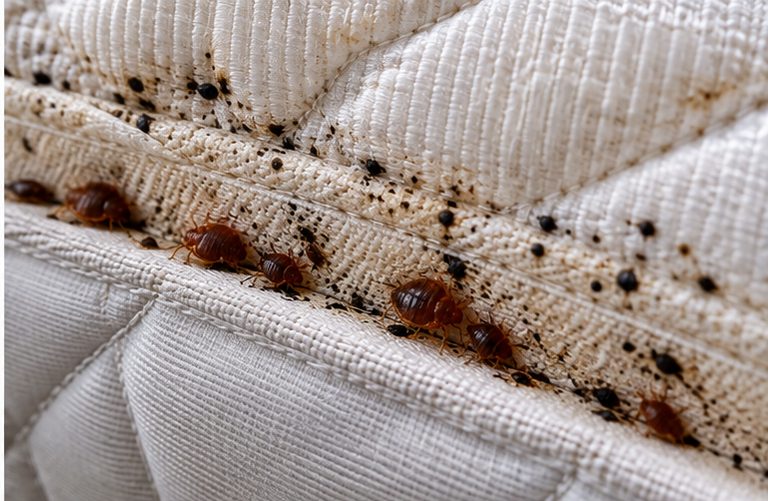
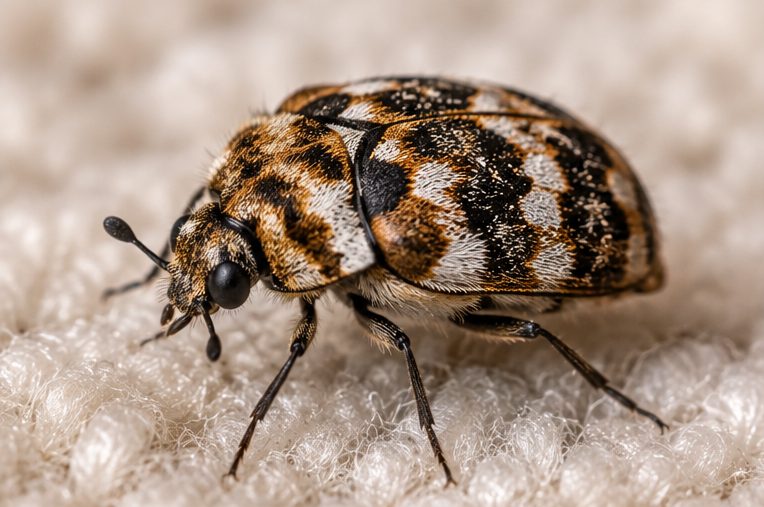
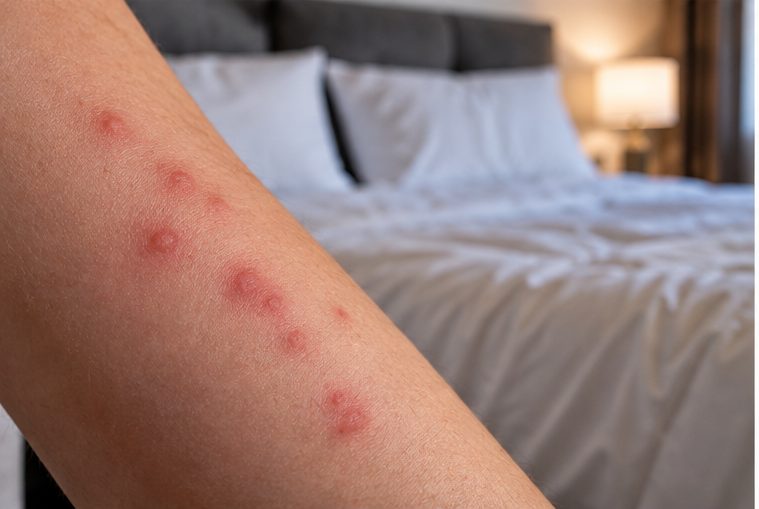
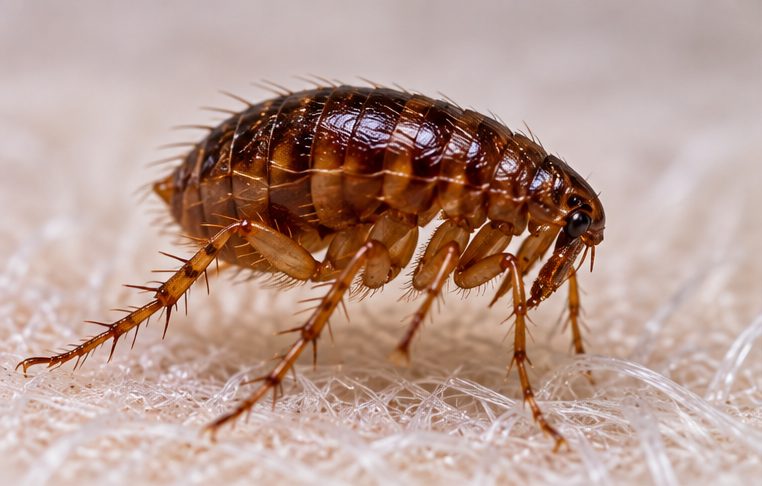
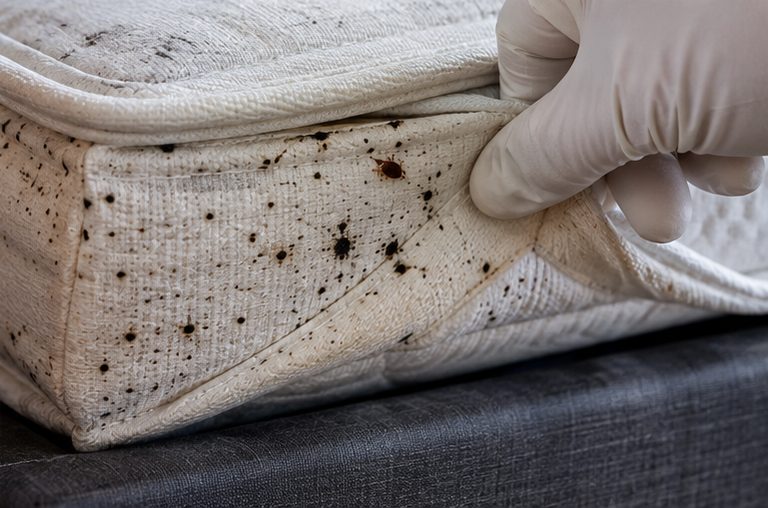
Bites are weak evidence on their own, because one person comes up in rows of itchy lumps and the next shows nothing for weeks. Look instead for what the insects leave behind: dark spotting like a fine felt-tip along mattress piping, pale shed skins in the joints of the frame, and live insects in screw holes and behind the headboard. The first signs guide shows what those marks look like. Bites around the ankles in a home with a cat or dog point instead to fleas in Cricklewood, and an itchy rash with nothing to find in the bed at all can be the larvae of carpet beetles.
Things That Make It Worse
- Moving to the spare room or the sofa, which takes the bugs with you and adds a room to the job
- Setting off a shop-bought fogger, which drives them into wall voids and towards the flat next door
- Carrying bedding through the building to a neighbour's or a relative's machine
- Throwing the bed out before you ask, when a mattress can usually stay
- Emptying the bedroom into the hall, the loft or an untreated room to get it out of the way
Getting the Rooms Ready
Preparation is the part that is entirely in your hands, and in a small flat it makes more difference than anything else. Work one room at a time instead of shifting belongings between rooms. Strip the beds and wash the bedding as hot as the label allows, bag it as it comes out of the machine, keep the bags sealed until we have been, and leave them in the room they came from.
Pull the beds and sofas away from the walls so the skirting and the edges of the floor can be reached, empty the drawers of a divan base, and take down anything hanging on the wall behind the headboard. Vacuum the floor edges and the frame, then empty the cleaner outside into a sealed bag, and leave the carpet dry rather than shampooing it first. The room preparation guide gives the fuller picture, and we will go through it for your particular rooms when you book.
Booking and the Weeks Afterwards
When you ring, tell us which rooms have signs, whether the address is a flat in a converted house, a flat over a shop or a whole terrace, whether anybody sleeps in the living room, and whether a neighbour has mentioned the same thing. Carry on sleeping in your own bed unless we tell you otherwise. Noticing the odd one for a while afterwards is not in itself a sign that anything has gone wrong - this guide explains what the timescale hangs on - but if bites are still happening beyond the period we describe, come back to us rather than sitting it out.
Keeping Bed Bugs Out Between Visits
- Offer a guest a luggage rack, a hard chair or the floor for their bag rather than the bed
- Strip and wash the sofa bed after a stay, and look along the folds while it is still open
- Unpack next to the washing machine when you get home, not on top of the duvet
- Look over the seams and screw holes of a second-hand bed frame outdoors, before it comes in
- Keep enough clear space under the bed to see the floor when you look
The borough-wide page is Bed Bug Control Brent, and the Brent bed bug advice goes further into the first day or two. Shared houses in neighbouring Kilburn run into the same thing.