



Sealing a Victorian House Without Closing Its Ventilation

Air bricks are not a design fault. They move air under the ground floor so the joists and boards stay dry, and stopping that airflow with foam, a bin bag or a slab of mortar invites damp and rot, which is a bigger and slower problem than the one you started with. The work is to keep the air moving and stop the animal: a cracked or missing clay grille replaced with an intact one, or fine metal mesh fitted so the openings stay clear. What the void beneath is for is set out on the Pest Control Willesden page, and stopping rats at air bricks covers the options.
Cellar hatches, coal chutes and the light well
Where there is a cellar there is usually an old way of getting coal into it: a round iron plate in the front path, a chute into the vault under the bay, or a hatch with a timber cover. Those covers crack, work loose in the frame or get replaced with a board and a brick. A light well in front of a lower-ground window fills with leaves and offers cover at exactly air brick height. Each is small work where the surround is sound and a builder's job where the brickwork has gone.
Waste pipes, boiler flues and cable runs

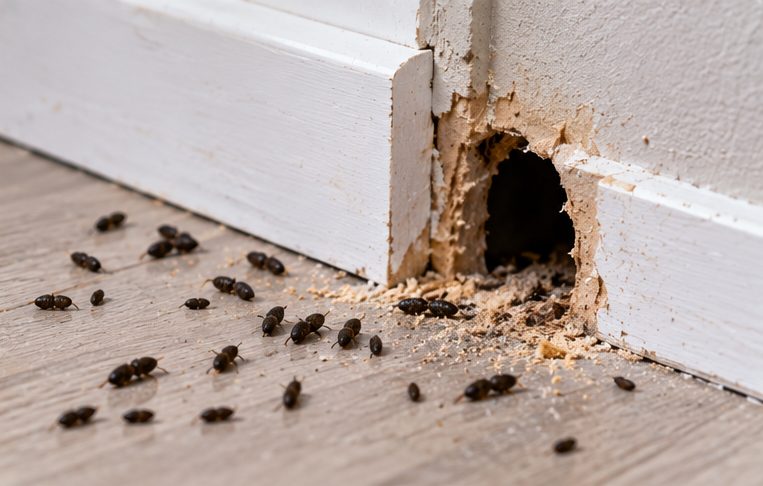
Every later improvement punched a hole through an outside wall: the waste from a newer kitchen or shower room, a boiler flue and its condensate pipe, a broadband or aerial cable, an outside tap. The holes are cut oversize so the pipe can be pushed through, and they are hardly ever filled afterwards. They sit low down, behind a bin or a planter, and a mouse needs much less room than most people picture — what size hole a mouse can get through puts a figure on it, and proofing pipe and utility gaps covers how they are closed.
The alley door and the gap under a side gate
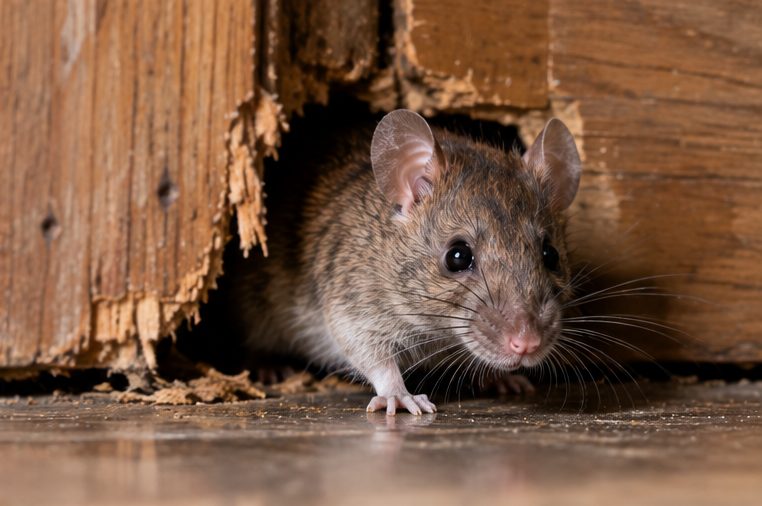
Terraces here usually have a side alley or a rear passage with a timber door or gate at the end. Bottom rails rot, the ground shifts, and the gap underneath grows until a rat can trot through it without slowing down. A back door onto the garden with a worn threshold does the same job. The gate is often shared with next door, which is worth establishing before anyone starts altering it.
What Fits Into the Hour, and What Does Not
The service is up to an hour of work on small, reachable holes. On a Willesden house that realistically means a damaged air brick grille or two, the openings around a couple of waste or boiler pipes and the foot of a door, depending on how many there are and how easily they can be got at. The entry points worth checking makes a good list to walk round with first.
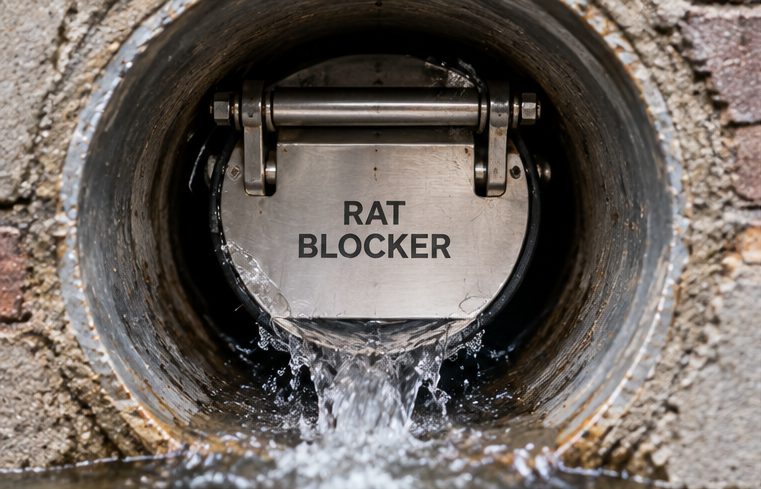
Rebuilding crumbling brickwork, hanging a new door or gate, making good a collapsed chute surround and anything at roof level are builder's work, and you will be told plainly if that is what the house needs rather than having it squeezed into the hour. Drains are not proofing work at all: a cracked pipe under the garden is repaired, lined or fitted with a rat blocker by a drainage contractor, and rat control in Willesden explains how those cases usually run.
Treat First, Then Proof
Proofing follows treatment; it does not replace it. Close the route a rat or mouse is still using and it will look for another, which in an old house often means gnawing upwards into a floor void or a stud wall where nothing can be reached. Book mouse control or rat control first and proofing once activity has stopped, and before or after treatment explains why that order is not a formality.
Booking Proofing on a Willesden Property
What to tell us
Say whether you had rats or mice and when treatment finished, then run through the outside of the house: air bricks you know are broken, pipes coming through the back wall, a cellar hatch or chute, the alley door and the side gate. If you live in a converted flat, say which parts of the building are yours to arrange work on.
Clearing the way
Move bins, planters, stacked timber and bikes away from the back and side walls, and unlock the alley gate. Indoors, empty the cupboard under the sink and clear whatever is stored against the cellar door. A gap that cannot be reached cannot be closed, and an hour spent shifting boxes is an hour not spent sealing.
After the work
You will hear which gaps were closed and what, if anything, needs another trade. If droppings or fresh gnawing appear near a sealed spot, get in touch, because telling a live hole from an old one takes a second look. Rodent Proofing Brent covers the same work across the borough, and if you have just taken on a house and want it gone over, neighbouring Cricklewood looks at pests and moving home.