
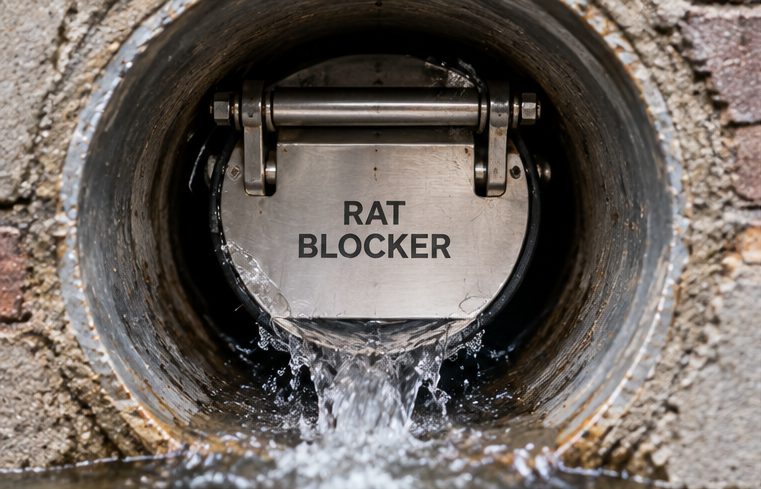



What You Can Have Sealed, and What Is the Building's
In Kilburn this question comes before any other, because most homes here are part of something larger. Anything inside your own front door is normally yours to arrange: the gaps behind your kitchen units, round the pipes under your sink, at the back of a meter cupboard. The communal hallway, stairs, basement store, bin area and outside walls belong to the freeholder or managing agent, and proofing booked for one flat does not reach them.
That split matters. Closing your own kitchen while a hole in the hallway riser stays open moves a problem around rather than ending it, so a written report to whoever runs the building is part of the work.
If you rent a room
A let room is a smaller version of the same thing. The gaps around the pipes in your room, under your door and along your skirting can be closed; the shared kitchen and the cupboard under the stairs are for the landlord to arrange. Ask for the house to be looked at as a whole, and send the most common entry points with the request.
The Gaps Typical of a Kilburn Conversion
Pipe and cable runs between flats
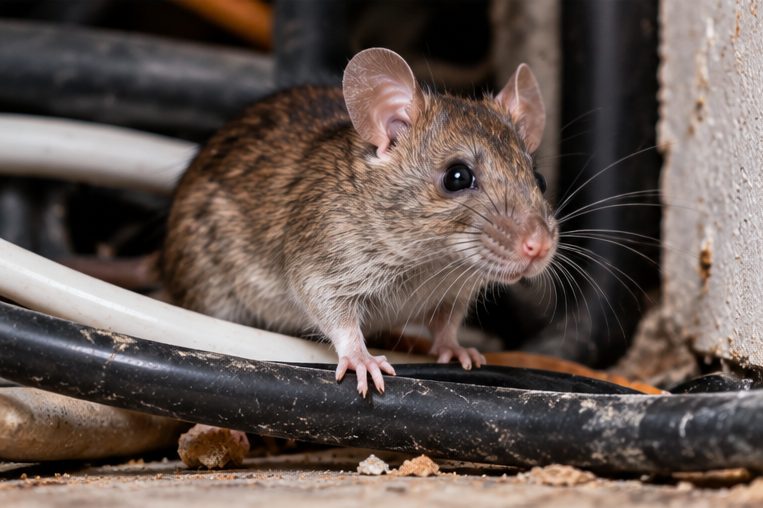
When the house was divided, water, waste, gas and cables had to reach every new kitchen and bathroom. The openings cut for them through floors and walls were often filled roughly or left as they were, and the boxing round them frequently stops short at the floor or ceiling. Those runs are vertical, which is what lets a mouse from the lower ground floor appear on the second. Proofing pipe and utility gaps describes the work.
Basement doors and rear areas

A door at the bottom of an outside stair takes weather from every direction and wears along its bottom edge and at the foot of the frame. The gap that leaves is at ground level, sheltered, and more often than not next to the bins. Old coal chutes, disused vents and the opening where a waste pipe leaves a basement wall belong on the same list. The gap a rat can use is smaller than most people picture.
Lightwell gratings and airbricks

The sunken area at the front of a Victorian house is usually covered by a metal grating at pavement level, and it collects leaves, wrappers and takeaway boxes. A broken or badly seated grating drops a rat into a space with a window and a door in it. Airbricks in the same wall ventilate the floor void and have to keep doing so, so a cracked one is replaced or covered with something that still passes air. Stopping rats at air bricks sets out the choices.
Treat First, Then Proof
The order is not a formality. Close a gap that rats or mice are still using in a building like this and they are shut inside a floor void, a riser or pipe boxing, where they gnaw a new way out and may die somewhere nobody can get to. Book rat control or mouse control first; before or after treatment explains why.
What the Hour Covers
The service is up to one hour of work on small holes that can be reached: in a flat, the openings where pipes rise behind the units, the ends of boxing in a bathroom and the gaps at the back of a meter cupboard; in a basement flat, the foot of the rear door and a pipe entry or two.
What it does not take in is building work: rebuilding crumbling brickwork, hanging a new door, replacing a lightwell grating or repairing a drain. A drain fault is for a drainage contractor after a survey, and you will be told plainly when the building needs a different trade rather than an hour of sealing.
Booking Proofing in a Kilburn Flat
What to tell us
When you book rodent proofing, say whether it was rats or mice, when treatment finished, and whether the property is a flat, a let room or a whole house. List the gaps you know about — behind the kitchen units, at the basement door, around a soil pipe — and say whether they are inside your home or in the shared parts.
Getting ready
Empty the cupboard under the sink, open the meter and boiler cupboards, and move stored boxes away from the walls of a basement or under-stairs cupboard. Outside, shift bins back from the rear door and clear the lightwell. A gap that cannot be reached cannot be sealed.
After the work
You will hear which gaps were closed and what needs another trade or the freeholder. If gnawing or fresh droppings appear beside a sealed spot, get in touch; which holes rodents are actually using tells a live hole from an old one. Rodent Proofing Brent covers the borough, and the terraces of Kensal Green have the same weak points.