Big Rooms, Heavy Furniture and Wool
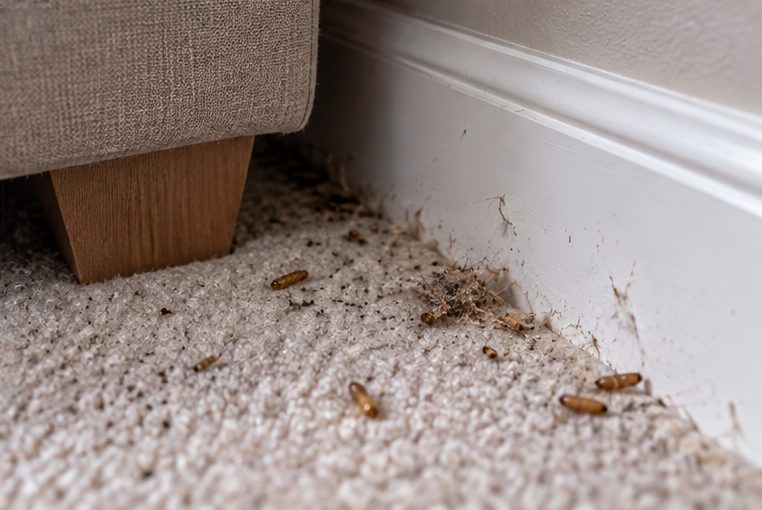
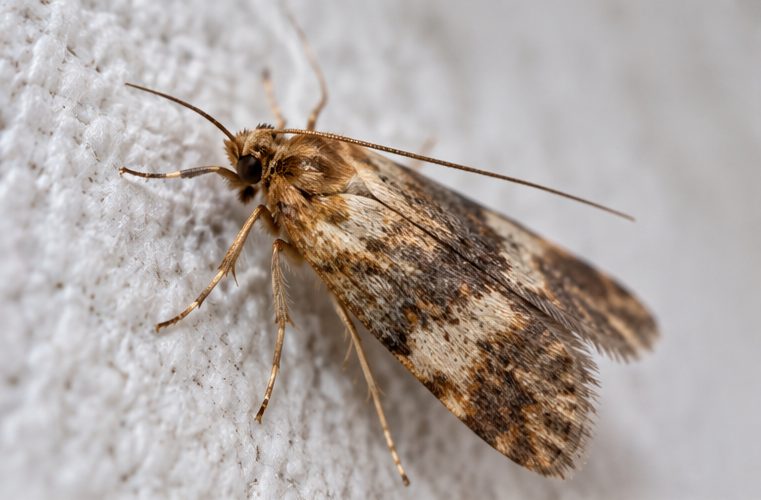
It is the larvae that eat, not the adult moths, and what they are after is keratin: wool, silk, fur and feathers. In a tall Victorian room the useful thing to know is that they avoid light and footfall. The middle of a floor is walked across daily and stays fine; the strip of carpet behind a sofa that is never pulled out, the square under a bookcase, the bay behind long curtains and the corner of a rug weighed down by a table are where the pile thins.
Because so much of a big room is furnished rather than used, the first sign is often found during a clear-out or a redecoration rather than day to day. Why damage turns up under furniture goes into the pattern, and holes appearing in a carpet helps separate moth damage from wear.
Communal Stair Carpet in a Converted House
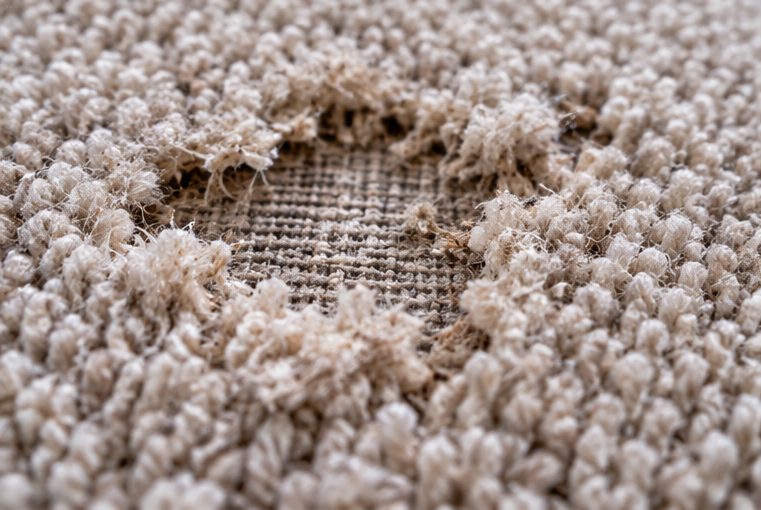
Many Kilburn conversions kept a wool runner or a fitted carpet on the original staircase, and it is nobody's room. Larvae can work along its edges and under the nosings for years, and adults then find their way through open flat doors into a hallway cupboard or a wardrobe upstairs. If a flat keeps producing moths after its own rooms have been dealt with, the stairs are worth a look.
Communal carpet is normally the freeholder's or the managing agent's responsibility, not an individual leaseholder's or tenant's, so report it in writing and ask for the stairs and landings to be dealt with alongside the flats. Whoever is arranging it can book with us; Pest Control Kilburn sets out how shared buildings here are usually handled.
Clothes and Blankets Stored in a Let Room
Where a room is somebody's whole home, storage goes under the bed and on top of the wardrobe: winter coats in vacuum bags, a suitcase of jumpers, blankets that come out when the heating is stingy. Wool put away unwashed is better food than wool that has been cleaned. If you are getting moths in a bedroom, empty those cases before you assume the carpet is the source, and see what moths do to clothes and furniture.
Checking a Room Before You Book
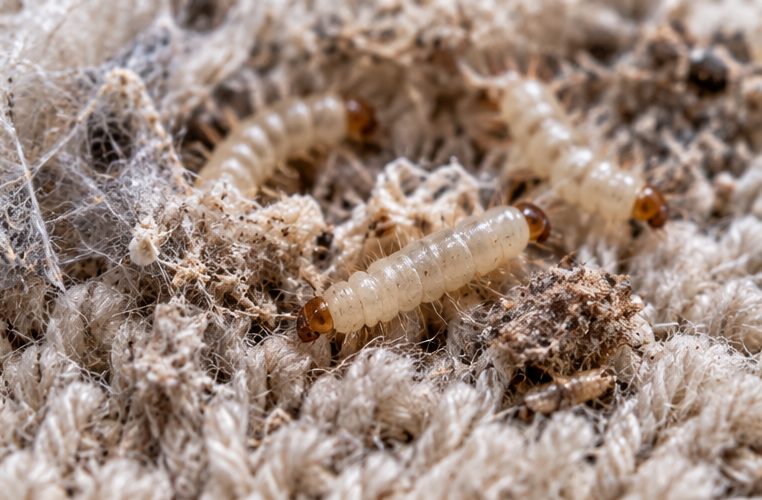
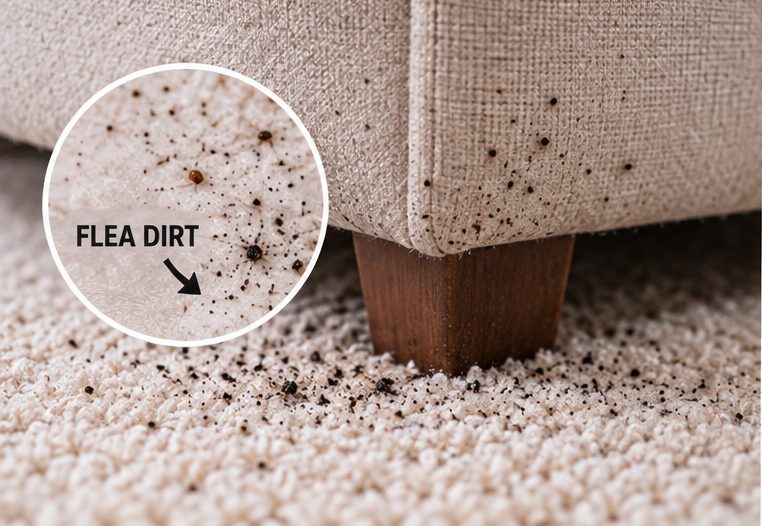
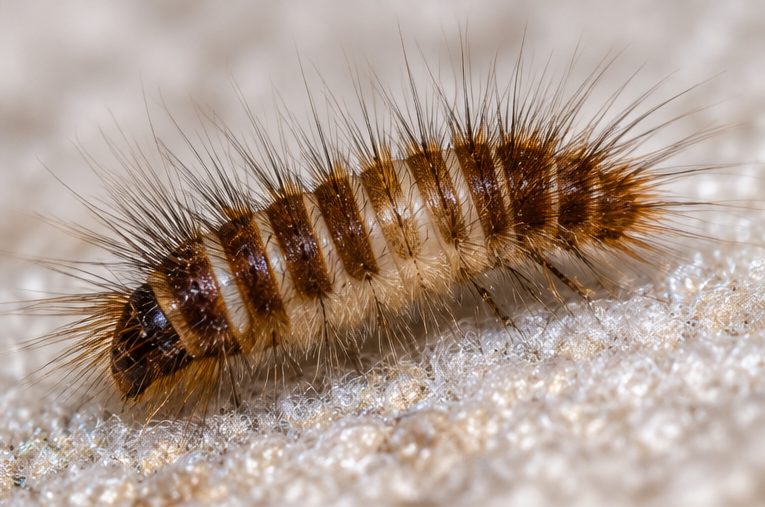
Lift the corner of a rug, run a hand along the carpet against the skirting, and pull out whatever furniture you can move. You are looking for thin or bald patches, loose tufts, fine silky tubes in the pile and small cream larvae; the larvae guide shows them clearly. Short bristly brown grubs and little empty skins mean carpet beetles in Kilburn instead, and anything that bites you is neither, so check for fleas.
- Vacuum right into the edges and under everything that moves, then empty the cleaner into an outside bin
- Bag stored woollens where they are, rather than carrying them through the flat to sort
- Wash or dry-clean what can be cleaned, and seal anything too far gone before it leaves the room
- Do not have an old or inherited rug thrown out in a hurry; ask a specialist rug cleaner what can be saved
Around the Visit
When you book, list the rooms with damage or larvae and say whether it is a fitted carpet, a rug or a wardrobe, and whether the communal stairs are involved as well. Clear floors and wardrobe bottoms beforehand so they can be reached; we will go through the rest with you, and the preparation guide gives the shape of it. Odd adults can still appear for a period afterwards, and how long depends on how much was affected. Fresh larvae or new damage after the time we give you is a reason to call back.
Keeping Wool Safe in a Kilburn Flat
- Shift the sofa and the bookcase a few times a year and vacuum the carpet they stand on
- Turn rugs end for end so the same edge does not sit in the dark for years
- Put winter clothes away clean and sealed, not folded into an open case under the bed
- Raise communal stair carpet with the freeholder or agent early, before it feeds every flat in the house
There is more in how to stop carpet moths coming back and the Brent advice on protecting carpets and clothes. The borough page is Carpet Moth Control Brent, and the same wool carpets turn up in the larger period homes of Dollis Hill.