Why Spiders Build Up in Kilburn Conversions
Spiders stay where they can eat. A long back garden, some of it shared and half-wild, supports plenty of insect life, and the older the building the more ways in at ground level. The parts of these houses that sit between garden and home take the brunt of it: the lower-ground rooms, the cellar under the front steps, the area at the foot of the lightwell and the passage through to the bins. What attracts spiders into a property explains why the food supply matters more than anything else.
Shared cellars, stores and bin areas
A cellar shared by several flats holds bicycles, meters, suitcases and boxes, and nothing in the corners gets moved. Webs gather along the joists overhead and behind whatever is stacked against the walls, and the door at the top of the cellar stairs lets spiders wander up into the hallway. A brick bin store by the front railings does the same outdoors, with food waste drawing flies the spiders live on.
Lightwells and sash window frames

A lightwell traps damp leaves against the wall and shelters everything in it from the wind, which suits web-builders the year round. Above it, original sash windows have boxes, staff beads, weights and shrunken joints, giving small dry cavities behind the frame. A web strung across the corner of a sash, or a dusty funnel behind a shutter box, usually means the spider is living in the frame rather than passing through.
False Widows Around Old Frames

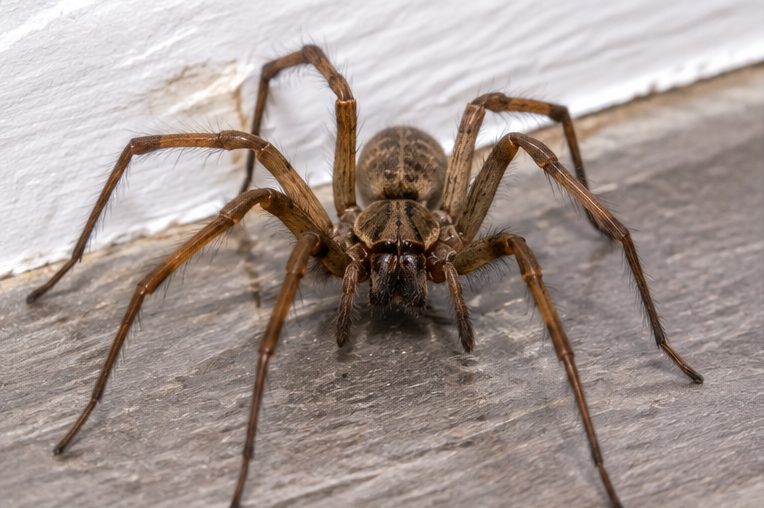
The noble false widow is glossy and dark brown with a rounded body and pale markings on its back, and it turns up in gaps round window frames, in sheds and behind outdoor fittings. It is not considered dangerous and bites are uncommon; a bite is usually likened to a bee or wasp sting. If one becomes badly swollen or looks infected, speak to a pharmacist or GP, and call 999 for signs of a severe allergic reaction. Are there dangerous spiders in Brent homes? sets out what is and is not a risk.
Autumn House Spiders in a Shared Building
From late summer, large male house spiders leave the cellar, the shed and the gaps in walls to go looking for a mate, and they appear in a bath, on a communal staircase or crossing a bedroom floor after dark. A few each September is ordinary in a house with a garden and a cellar, and is not by itself a reason to book anything. A genuine build-up looks different: webs and egg sacs coming back to the same room week after week whatever you do. Why spiders keep appearing in the same rooms describes that pattern, and where spiders hide inside homes says where to look first.
What Treatment Covers in a Converted House
Treatment is for rooms inside your own flat where spiders and webs keep rebuilding, and it can bring those numbers down. It cannot stop spiders arriving from a garden full of insects, and the communal parts of the building — the cellar everyone uses, the stairwell, the bin store, the outside of the frames — are for the freeholder or managing agent to keep on top of, so persistent webs there are worth reporting. Whether pest control can reduce spider problems is honest about the limits.
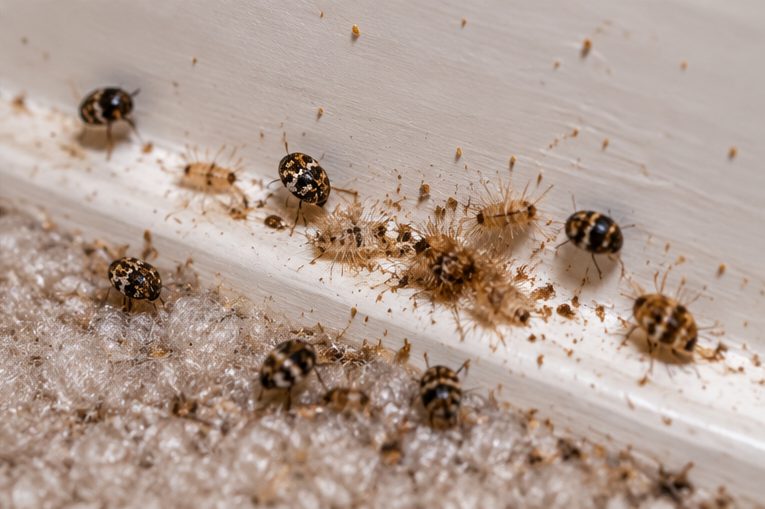
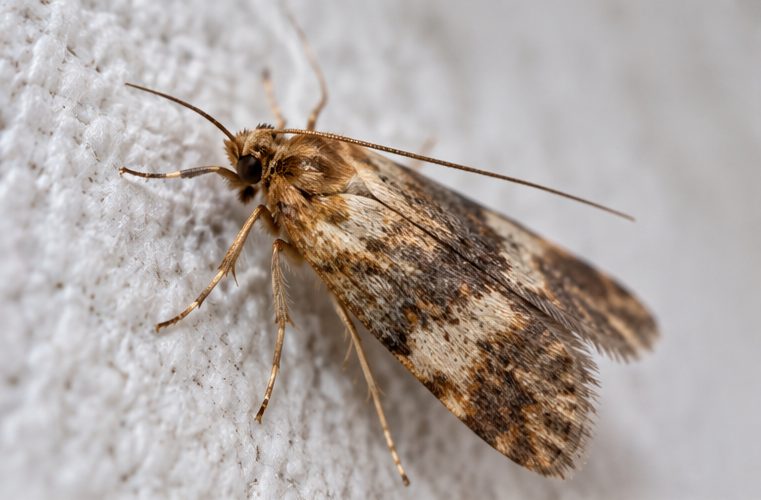
Where spiders are thriving on another pest indoors, that has to be sorted out too. Stored wool and offcuts of old carpet in a cellar will support carpet beetles, and a quiet room with a wool rug can hold carpet moths. Whether lots of spiders mean another pest problem looks at that link.
Before you book
- List the rooms inside your own flat where webs keep returning, leaving out the hall and the stairs
- Say whether a cellar, store or basement room is yours alone or shared with the other flats
- Pull boxes and stored things away from the walls and corners of those rooms
- Note where you have seen false widows, and photograph one from a safe distance if you can
Spiders from the garden will still wander in from time to time, particularly in autumn. Should the treated rooms fill up with webs again, call us back and say which ones.
Fewer Webs in a Kilburn Flat
Clearing and light do most of the work here. Reducing spiders around windows and doors goes into more detail, Spider Control Brent covers homes across the borough, and why spiders collect in lofts is worth reading if yours is the top flat.
- Sweep webs and egg sacs off cellar joists, lightwell walls and the bin store every few weeks
- Keep stored things in lidded crates rather than open cardboard, above all in a shared cellar
- Fill the gaps round sash boxes and draught-proof the lower sash, which keeps insects out as well
- Switch off the light over the front steps and back door when not needed, or fit a warmer-coloured bulb
- Clear leaves out of the lightwell so it does not sit damp all winter