

Where the Colony Really Sits in a Cricklewood Yard

The nest is almost always outdoors. The sand bed under patio slabs, the joint where a path butts against the house, the soft mortar at the base of a low garden wall and the warm ground beside a back step are all worth a look. Fine grains of excavated soil heaped over a crack are the clearest evidence, and their reappearing after rain tells you the tunnels below are still being worked. Ground that suits a colony keeps it for years, which is why the trail returns to the same door each summer instead of moving on. Where ants nest around houses lists the other places, and how to find an ant nest shows how to trace one without taking the paving up.
Thresholds and drilled pipe holes
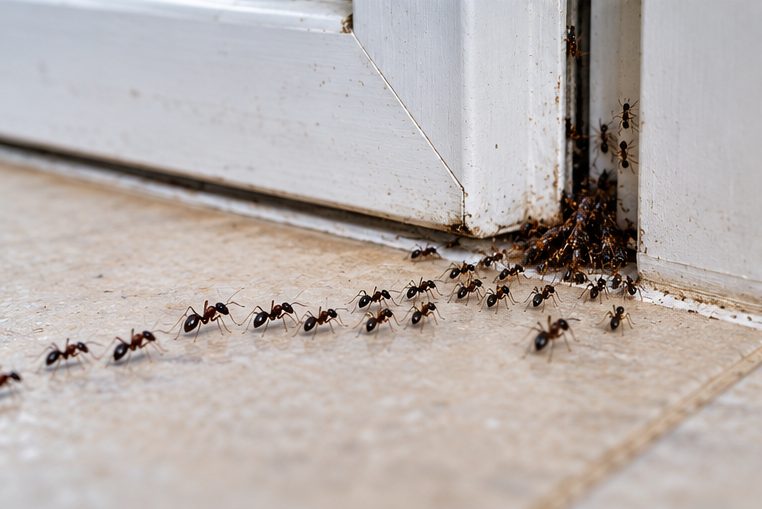
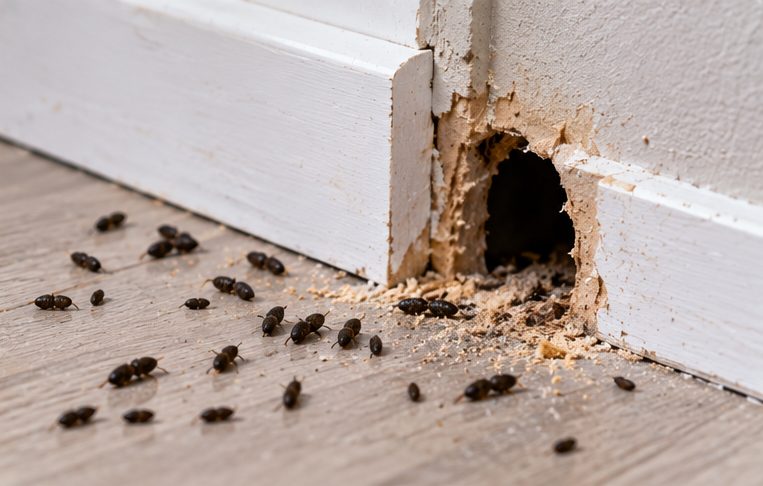
Wherever the nest is, the way in is at floor level. The worn threshold under a back door, the mortar joint where a patio meets brickwork, an air brick low in the wall and the holes drilled for a waste pipe, a condensate pipe or a boiler flue all open into the same place — the void behind the kitchen units. Follow the trail indoors until it slips behind a skirting or under a kickboard, then step outside and study that same point from the other side. Can ants nest inside walls? deals with trails that seem to start nowhere.
Warm Kitchens in the Flats Above the Shops
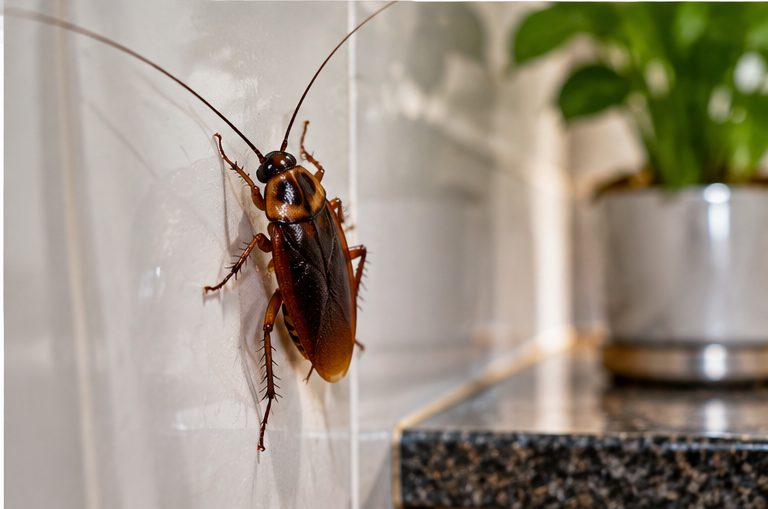
Flats over the Broadway units and in converted houses are a different question, because the soil is a long way down. A trail on a first or second floor has climbed a pipe boxing, a cable run or the back of a run of units, following warmth and whatever has been spilled behind an appliance. Very small, pale yellowish ants indoors through the winter are not garden ants at all, but a species that nests inside heated buildings and behaves quite differently — Pharaoh ants vs garden ants explains why that matters before anything is bought for them. Small brown insects that scatter from beneath a kickboard when the light goes on are cockroaches rather than ants.
Flying Ant Days Over a Hard Yard
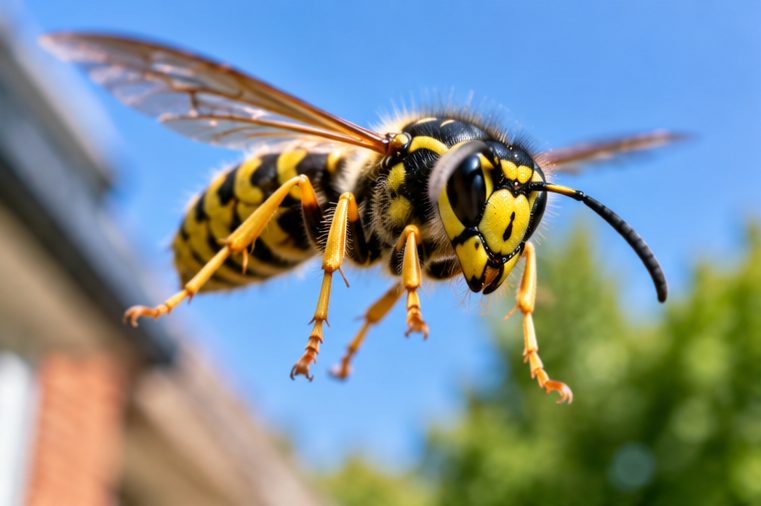
For a few close, humid days in July or August, colonies release their winged queens and males together, and a paved yard between the terraces can look as though it is steaming. Outdoors that passes in a day or two and asks for nothing beyond keeping the back door shut. Winged ants coming up inside the building — through a floorboard gap, from behind a skirting or around an old hearth — point instead to a nest under the floor, and that is worth mentioning when you book. Why flying ants suddenly appear indoors explains the timing. Insects using one fixed opening in the roofline for weeks on end are a wasp nest and a different job altogether.
Booking Ant Control in Cricklewood
- Say whether it is a house or a flat, and which floor the kitchen is on
- Describe the entry point: back door threshold, air brick, drilled pipe hole, patio joint or behind the units
- Stop spraying the trail beforehand — warm soapy water on the worktop is enough, and the ants need to stay traceable
- Note where the trail goes once it is outdoors, and whether there is loose soil heaped over a crack
- Lift pet bowls overnight, keep sweet food shut away and empty the yard bin more often in hot weather
Ants may still be visible for a while afterwards, and how long that lasts depends on the size of the colony and how far it runs under the paving; how long ant treatment takes goes into what affects it. If activity has not eased off, get back in touch and describe what you are seeing and exactly where.
Keeping Ants Out of a Cricklewood Kitchen
With the colony dealt with, the jobs worth doing are all at ground level around the doors. How to stop ants entering your home has the detail, Ant Control Brent covers the rest of the borough, and nearby Kilburn has the same arrangement of yards and back doors.
- Have the mortar joint where the patio meets the brickwork repointed, and pack out any daylight under the back door
- Re-bed slabs that rock and top up the joint filler across the patio before the weather warms up
- Fill the drilled holes around waste and condensate pipes with a proper sealant, inside and out
- Stand pots, compost bags and stacked garden chairs clear of the wall so the ground underneath dries out
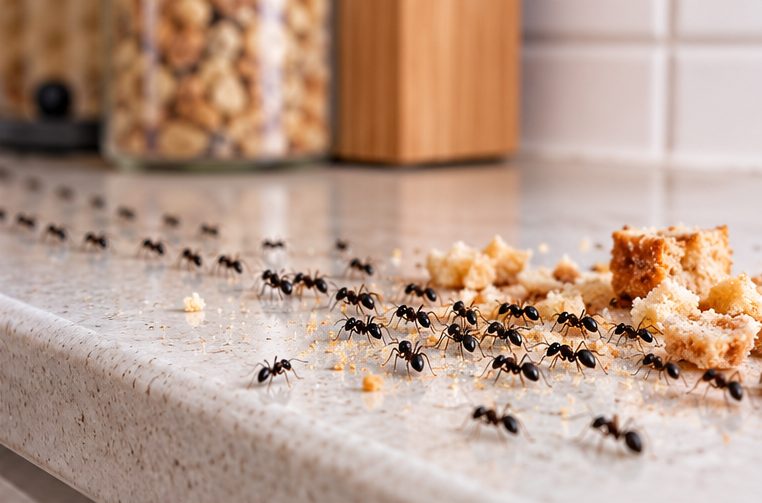
- Wipe the worktop and the front of the units at night, since a trail is held together by the scent left on what has already been found