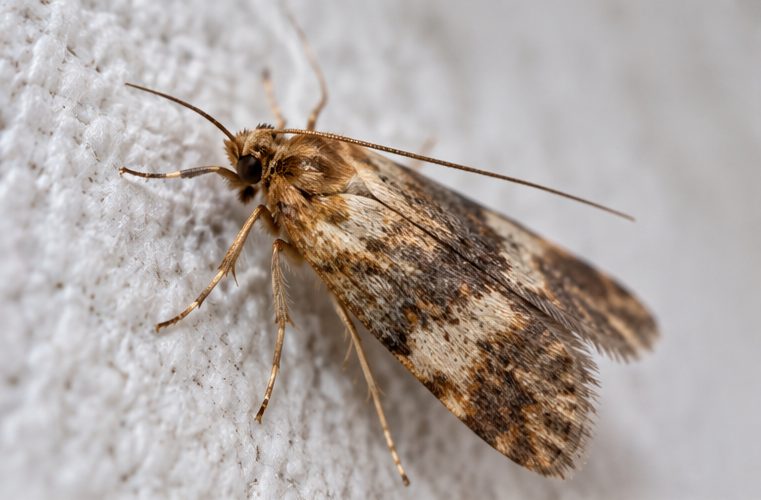

Wool Carpet That Has Been Down a Long Time
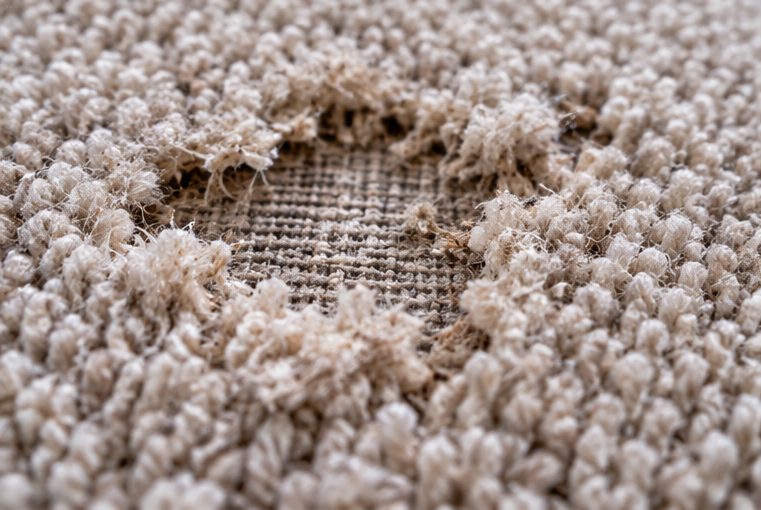
Carpet laid twenty or thirty years ago in a terrace or a larger house tends to be wool or a wool mix, and it runs on under the skirting and under furniture that has stood in one place ever since. Larvae eat the pile down to the backing in patches, and because the surface above them looks untouched the first real evidence is often a bald area found when something is finally moved. The signs guide shows what to look for.
The Bay, the Alcove and the Perimeter
Damage gathers in the strips of floor that nobody walks on or cleans: the carpet under the seat in a bay window, the run beneath a bookcase in a chimney alcove, the foot of a heavy wardrobe, the last few inches against the skirting where a vacuum head will not go. This guide explains why the quiet parts of a room suffer first.
Rugs in a Flat
A converted flat with boards or laminate and a wool rug on top has the same problem in miniature, and the part that matters is the side you never see. Turn a rug over now and then and look at the back and the fringe; a rug rolled up and stood in a cupboard or a hall for a season can come out with the damage already done.
Finding the Room They Are Actually Breeding In
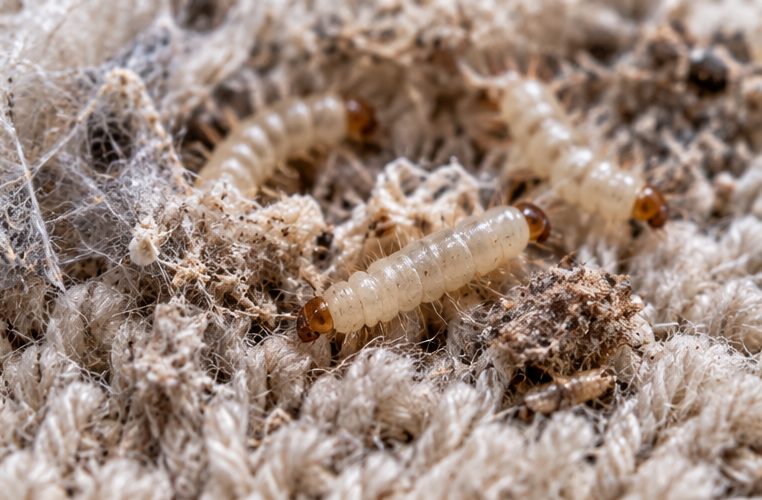
Adults drift about the house and gather at windows and lamps, so where you see a moth says very little. Damage does not drift, which makes it the thing to follow. Go through the carpeted rooms one at a time with a torch and look for silky webbing, small pale larvae and thin cases in the pile.
- Pull out the base of a wardrobe and look at the carpet underneath it
- Run a finger along the gripper edge behind an armchair and along the skirting
- Lift the corner of a rug and check the underside and the floor below
- Look inside the cupboard under the stairs and under a bed with drawers
- Check the landing corners and the back of a spare room that is barely used
The hiding places guide goes through the same search in more detail. Knowing which rooms are involved also settles the price, because the job is charged room by room.
Wardrobes, Blankets and What Is Really a Clothes Moth
Holes in stored jumpers and a thinning carpet are usually two halves of the same family, and both are treated in the same way and at the same price. Wool coats, blankets and suits left hanging through the summer, and anything put away unwashed, are what keeps a wardrobe population going. This comparison tells the two apart, and the guide to damage covers upholstery and felt as well.
What Helps This Week
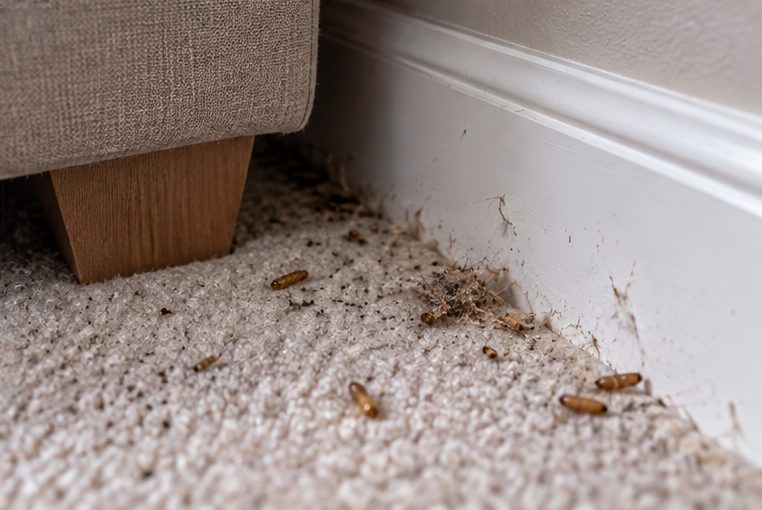
- Vacuum the room edges and under everything you can move, then empty the cleaner outside into a sealed bag
- Wash or dry-clean affected wool as warmly as the label allows, and keep clean items sealed until we come
- Move a rug you are worried about outside for a look rather than into another room or the loft
- Treat pheromone traps as a way of watching the numbers, not of clearing them: they only catch males
- Tell us about an antique or valuable rug when you book, since a pest treatment is not a clean or a repair
Booking, Rooms and Preparation
When you ring, say which rooms have damage, what the floors are - fitted wool, a wool mix, rugs on boards - and whether there are wardrobes or storage boxes involved, because those sit inside the room they are in rather than being counted separately. Clear the floors as far as you can and move the furniture you are able to move so the edges are reachable. The preparation guide describes what that looks like in practice, and we will tell you what to do about the rooms next door if they are clear.
Protecting Wool in a Cricklewood House
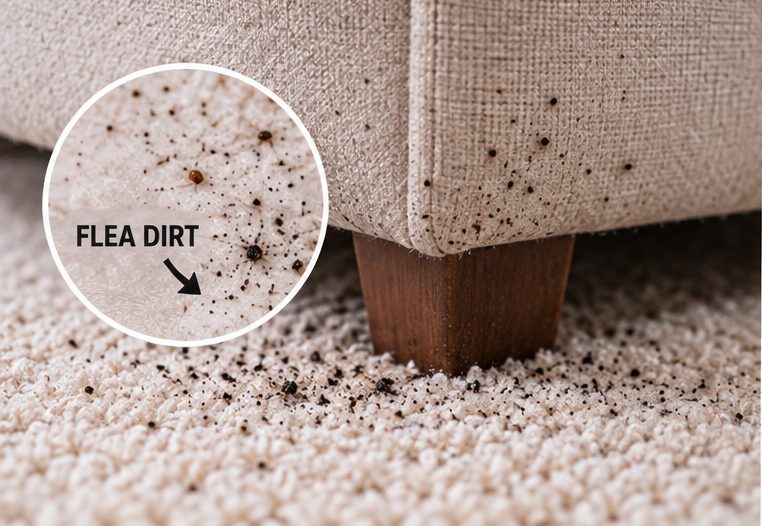
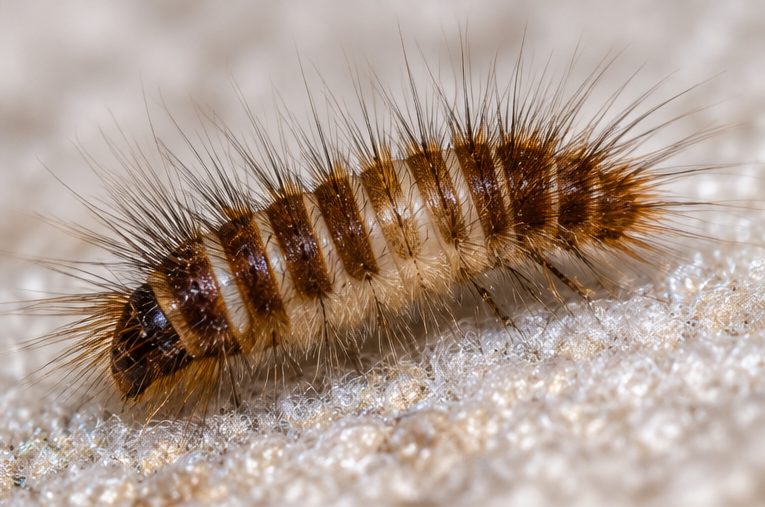
Long-term, the useful habit is disturbance. Move the furniture and vacuum properly underneath it a few times a year, take rugs up and beat or vacuum both sides, wash wool before it is put away and keep it in sealed boxes or bags rather than loose on a shelf. The prevention guide has more, the borough page is Carpet Moth Control Brent, and the Brent carpet moth advice covers protecting textiles. If the larvae you find are bristly and brown instead of smooth and pale, it is carpet beetles in Cricklewood; larger period houses in neighbouring Dollis Hill have the same carpets, and bites rather than holes are more likely fleas.