
The Rooms Where Webs Keep Coming Back

Spiders settle where two things line up: food arriving regularly, and nothing being moved. In these streets that means the garage of a larger house, a shed on the alley boundary, and the store room or old scullery at the back of a ground-floor flat. A web says nothing about how clean a house is — it says small flying insects pass that corner often enough to be worth the silk. What attracts spiders into a property sets out what really decides the numbers.
The space behind stacked boxes
The best spider habitat in most homes is a foot deep and never looked at: the gap between a wall and a stack of cardboard boxes. Cardboard holds its shape, leaves voids between the flaps and gets shifted about once a decade, so webs, shed skins and egg sacs collect behind it undisturbed. Suitcases under a bed, crates in an eaves cupboard and a shelf of paint tins in the garage do the same job. Clearing one boxed-up corner achieves more in an afternoon than any amount of sweeping at ceiling height. Where spiders hide inside homes covers the rest of the house.
Sheds, alleys and gardens full of insects
The gardens here back onto one another with an alley between them, and between the ivy on the walls, the compost heap and the mature trees towards Gladstone Park there are insects on the wing from spring through to autumn. An outside light by a back door or above an alley gate gathers them into one place, and a spider only has to build where they collect. It is why the web on the outside of a shed window fills faster than anything indoors.
False Widows Around Frames, Sills and Outside Lights

The noble false widow is glossy and dark, with a bulbous abdomen and pale markings on top, and it has been widespread across London for years. It favours gaps around window and door frames, the underside of a sill, the back of an outside light fitting and the inside of a shed. Bites are uncommon and are usually likened to a wasp sting. Speak to a pharmacist or GP if a bite swells badly or looks infected, and call 999 if there are signs of a severe allergic reaction. Are there dangerous spiders in Brent homes? has the detail.
The Big Spider in the Hallway in September
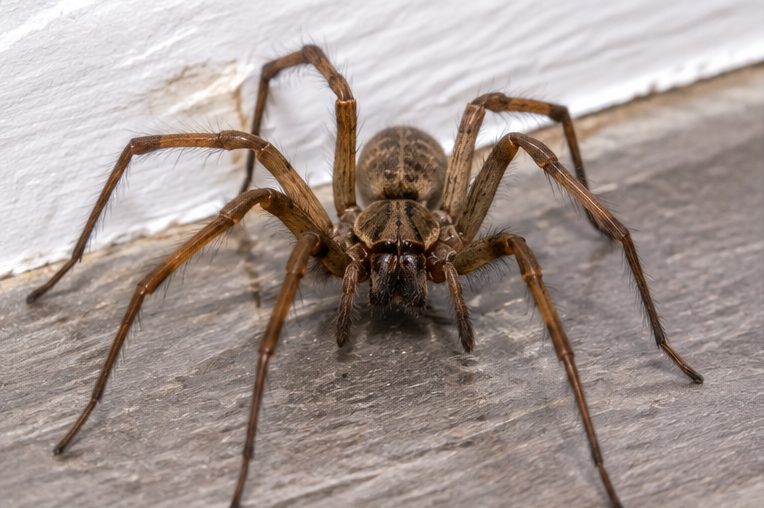
From late August into October, large fast spiders show up on floors, in baths and crossing a hall at night. They are mature male house spiders that have left the shed, the garage or a wall cavity to find a female, and a handful over a few weeks in a house with a garden is the season rather than an infestation. What is worth treating looks different: webs and egg sacs going back up in the same room week after week, right round the year. Why there seem to be so many spiders in the house explains the autumn wandering, and why spiders keep appearing in the same rooms draws the line between the two.
What a Treatment Changes, and What It Does Not
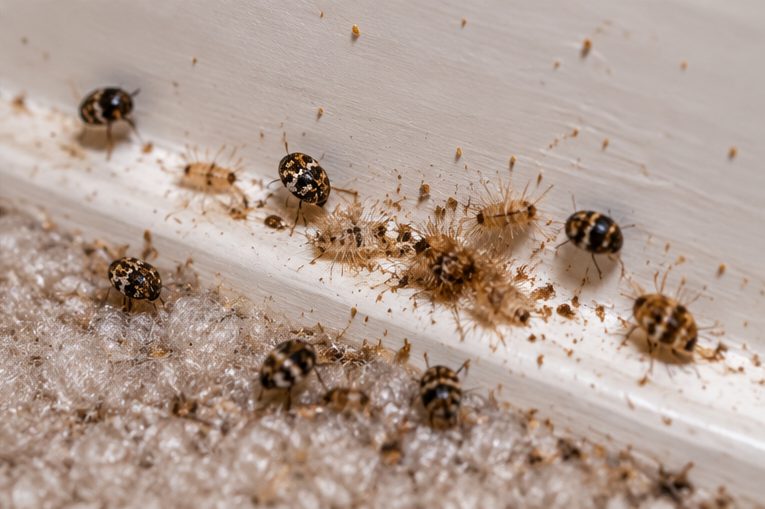
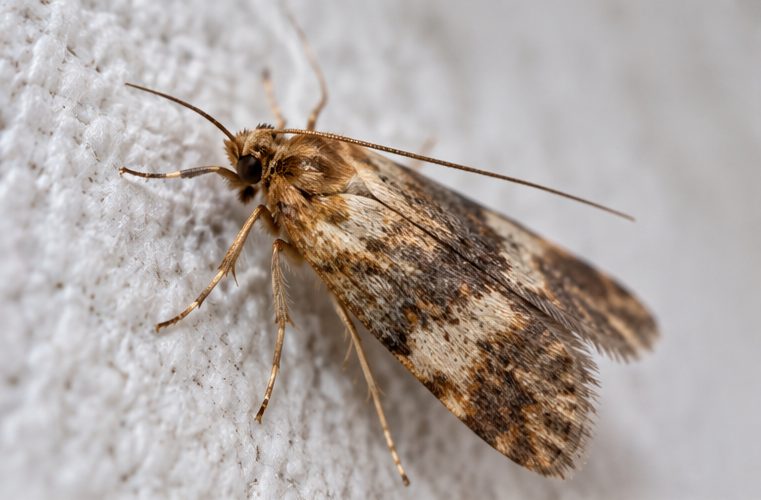
Treatment is aimed at the rooms where spiders have built up, and it can bring those numbers down and slow how quickly webs return. It cannot seal a garage off from a garden, and it does nothing about the supply of insects that brought the spiders in, so nobody should be promising you a spider-free house. What pest control can do about spiders is straight about the limits. Where one room is unusually busy it is worth asking what they are eating: carpet beetle larvae in the fluff along a skirting and carpet moths in a stored wool rug will both keep a spider population fed, and whether lots of spiders mean another pest problem looks at that link.
Before the visit
- List the rooms where the webs keep returning — a garage, a shed, a store room, a back bedroom
- Say whether the garage is attached to the house or stands on its own, and how it is entered
- Pull boxes and stored furniture a hand's width off the walls so the corners can be reached
- Mention where false widows have been seen, and send a photo with the enquiry if one can be taken safely
- Vacuum down old webs and egg sacs first, and empty the vacuum into the outside bin
Fewer Webs in a Cricklewood Garage or Store Room
None of this makes a garden-backed terrace spider-free, but it changes how quickly a room fills up again. Spider Control Brent covers the rest of the borough, and neighbouring Dollis Hill has the same run of garages and outbuildings.
- Store things in lidded plastic crates on a shelf rather than cardboard stacked against a wall
- Fit a brush strip or seal under the garage door and fill any daylight around the frames
- Switch the back door or alley light off when it is not wanted, or use a warmer-coloured bulb so fewer insects gather
- Cut ivy and climbers back off the shed and the window frames, and keep the shed door closed
- Sweep the corners and ceiling junctions of the rooms that always collect webs two or three times a year