Why an Old Back Yard Keeps the Webs Coming Back
Two things decide how many spiders a place holds: how much there is to eat and how seldom anything disturbs them. The back of a terrace supplies both generously. Webs are not a verdict on how clean a house is; they are a record of where small flying insects pass often enough to be worth ambushing. What attracts spiders into a property sets out why the food supply matters more than anything you can scrub.
Old garden walls and the alley behind
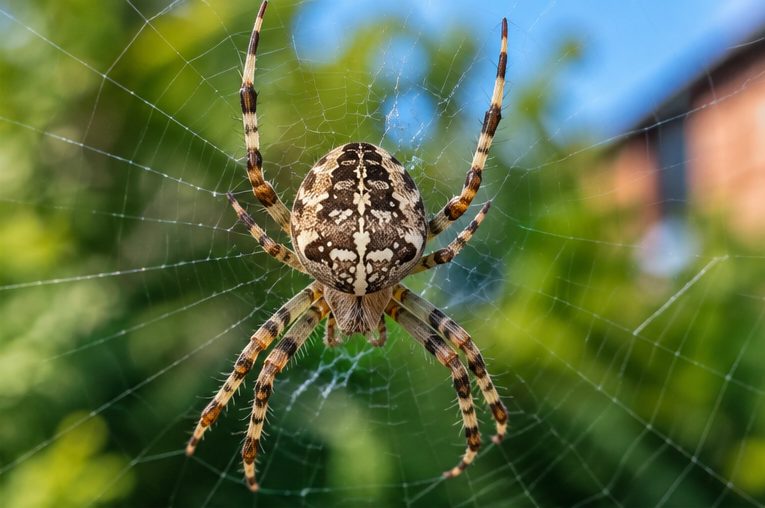
A brick wall that has stood for a hundred years is not a flat surface. Mortar has weathered back between the courses, copings have shifted, and there is usually ivy, a climber or a leaning shed somewhere along it. Every one of those gives shelter by day and an anchor point by night. Where an alley runs behind the yards, the walls face each other across a narrow strip that stays still and damp, which is about as good as it gets for a web. Outside lights and lit windows along that back elevation concentrate the insects and therefore the webs.
Cellars, sheds and what is stored in them
Some of these houses have a cellar under the front room, reached by a door under the stairs, and it stays cool and dim all year with hardly anyone in it from one month to the next. Webs gather on the joists overhead, in the corner behind the meter and across whatever leans against the walls. A garden shed does the same job above ground. In both places the real culprit is stored cardboard: it holds its shape, leaves gaps behind and between, and is almost never moved. Where spiders hide inside homes is the place to start looking.
False Widows on Frames and Outside Fittings
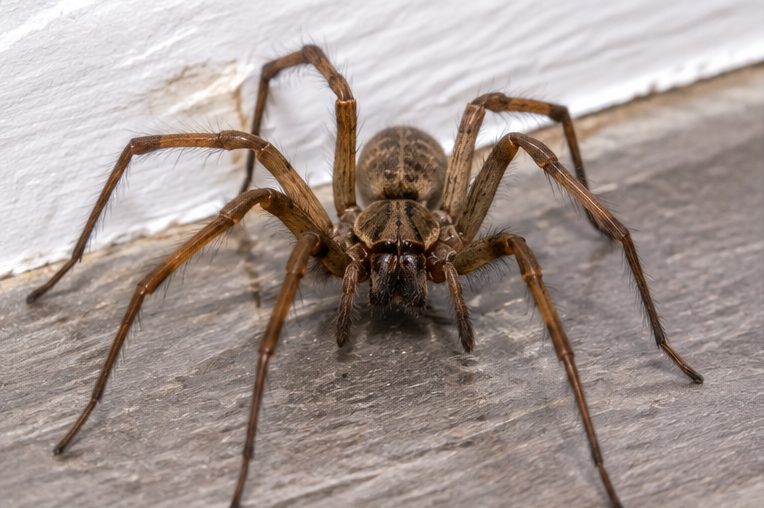
The noble false widow is glossy and dark brown, with a rounded body and pale markings across the back, and it likes precisely the places this housing offers: the gap beside an old window frame, the underside of a sill, the back of an outside light, a shed corner. It is not regarded as a dangerous spider and being bitten by one is an unusual event; where it does happen, the feeling is generally compared to a bee or wasp sting. Speak to a pharmacist or GP if a bite swells badly or starts to look infected, and call 999 for signs of a severe allergic reaction after any bite or sting. Whether any spider in Brent can genuinely hurt you puts it in proportion.
The Big Spiders That Cross the Floor in Early Autumn

From late August adult male house spiders leave the gaps they have spent the year in and go looking for a female, which is why one turns up in the bath, on the stairs or halfway across a rug after dark. They are not building anything, they have not moved in, and in a house with a yard and a cellar a few of them over an autumn is simply the time of year. The pattern worth acting on looks different: webs, shed skins and egg sacs returning to the same room week after week, whatever you do about them. Why spiders keep appearing in the same rooms draws that line, and why there seem to be so many spiders explains the seasonal swing.
What a Room Treatment Does, and What It Does Not
Treatment is aimed at rooms inside your own home where spiders keep building up, and it can bring those numbers down. It cannot cut a terrace off from its garden, and it does nothing about the insects coming off the walls and the alley at dusk, so anybody promising a spider-free house is overstating the case. What pest control can do about spiders is honest about the limits, and reducing spiders around windows and doors covers the part you can do yourself.
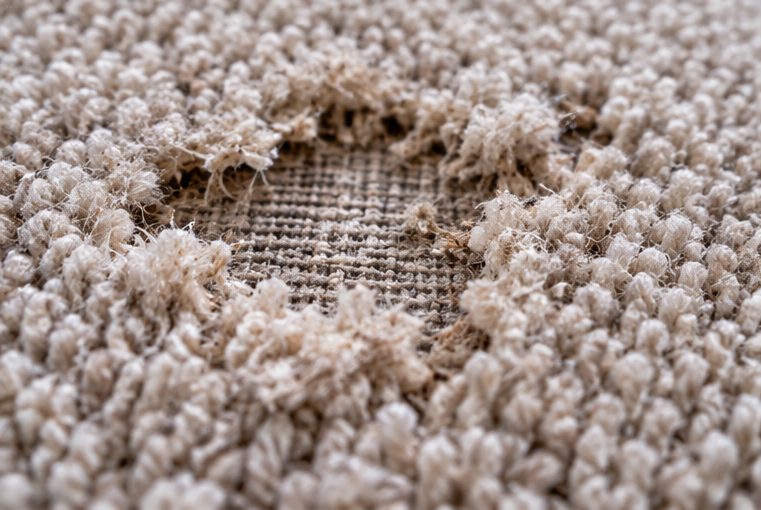
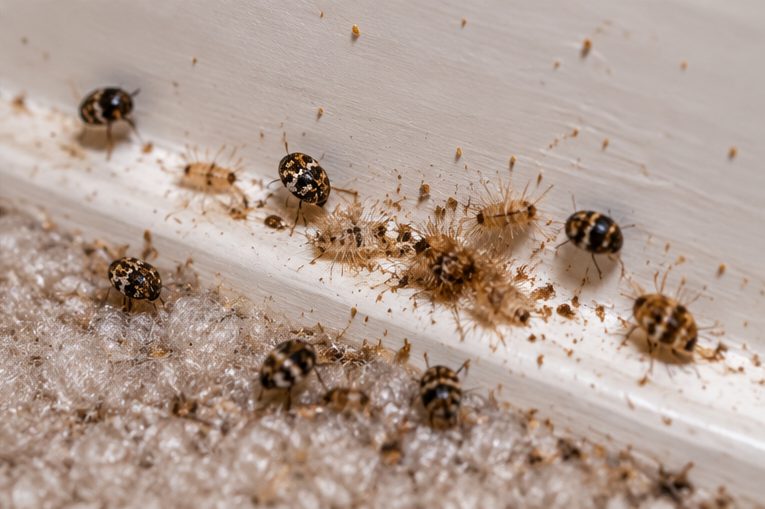
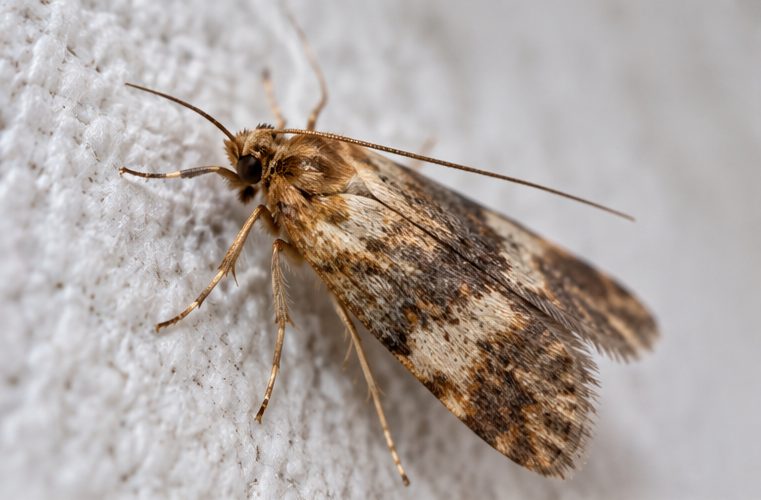
It is also worth asking what the spiders are living on indoors. Moths or small beetles breeding in a wool rug, in stored clothes or in the fluff that collects in the gaps of an original floor will keep a spider population fed all year, so carpet moths and carpet beetle larvae are both worth ruling out first. Whether lots of spiders mean another pest problem looks at that link properly.
Before you book
- List the rooms inside your home where webs keep returning, leaving out the hall, the landing and the stairs
- Say whether a cellar is included, how you get down to it and whether it is used for storage
- Say whether a shed or outbuilding is part of what you want looked at, so the count is agreed first
- Pull stored boxes and crates away from the walls and corners so those areas can be reached
- Photograph anything you think is a false widow, from a safe distance, and send it with the enquiry
Spiders from the yard, the walls and the alley will still wander in afterwards, particularly in autumn. If the treated rooms start filling with webs again, ring back and tell us which ones.
Fewer Webs in a Kensal Green Terrace
Clearing, lighting and a little tidying at the edges do more over a year than anything else. How to stop spiders coming back goes further, why spiders gather in lofts covers the roof space, and Spider Control Brent covers homes across the borough; the terraces in neighbouring Willesden have much the same arrangement at the back.
- Brush webs and egg sacs off cellar joists, shed corners, window reveals and the wall behind the downpipe every few weeks
- Swap cardboard boxes for lidded crates, and keep them off the floor and a little away from the walls
- Switch the yard or back door light off when it is not needed, or fit a warmer-coloured bulb where the fitting is yours
- Fill gaps around old window and door frames, which keeps out the insects as well as the things that eat them
- Cut ivy and climbers back off the frames and the top of the garden wall, and keep the cellar door and shed shut