Why Spiders Gather in Neasden Garages and Workshops

Spiders go where the food is and stay where nothing disturbs them, and an outbuilding gives them both. Insects walk in under the door and through the gaps round the frame; the roof timbers, shelf brackets and stacked materials inside give a web plenty to hang from. Webs strung along the rafters and heavy dust behind the boxes are the mark of a population living there, rather than one spider that wandered in. What attracts spiders into a property explains the pull.
The rooms a house keeps for storage
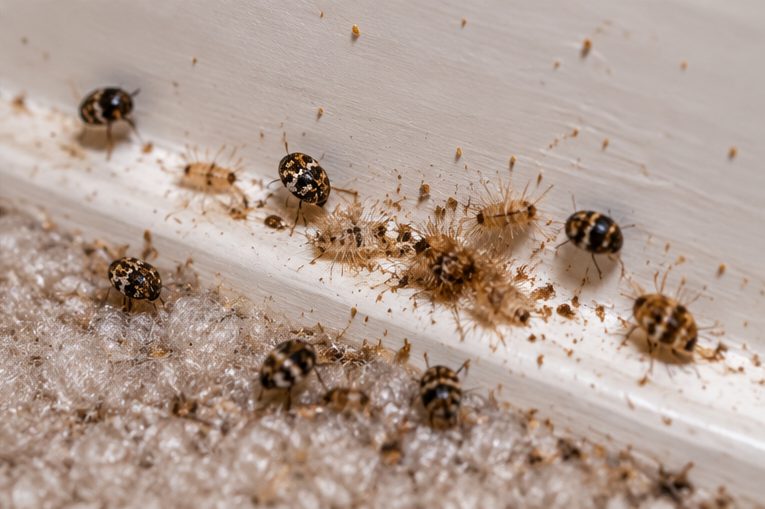
Indoors the same thing happens wherever nobody sits: a box room stacked to the ceiling, the cupboard under the stairs, the corner of the loft by the hatch. Cardboard, old fabric and undisturbed corners suit spiders and also suit the small insects they feed on, so a storage room can be quietly busy while the rest of the house is fine. Small bristly larvae along a carpet edge in there point to carpet beetles as the real occupants. Why spiders gather in lofts covers the loft end of it.
False widows around frames and outside walls

The noble false widow is a glossy dark spider with a rounded body, usually found around window and door frames, under sills, and in sheds and garages. It can bite, though bites are uncommon and most are described as being like a bee sting. If a bite swells badly or looks infected, speak to a pharmacist or GP, and call 999 if there are signs of a severe allergic reaction. Are there dangerous spiders in Brent homes? has more on what actually lives here.
The September Wanderer Is Not an Infestation
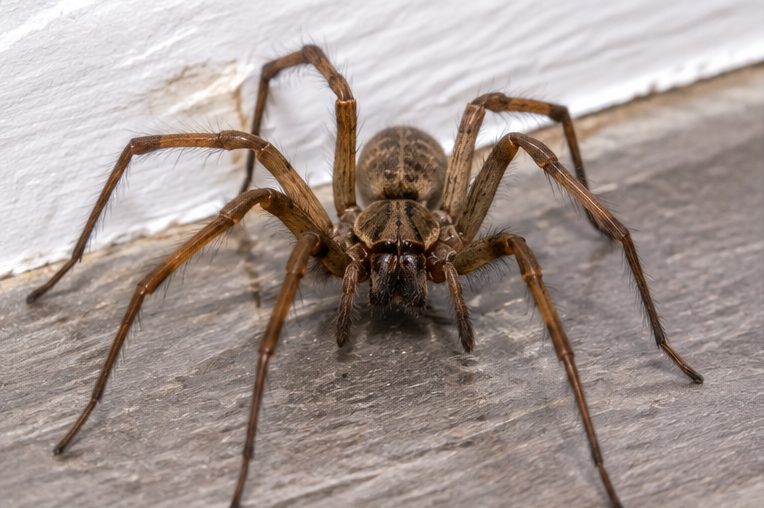
From late August the big male house spiders leave their webs to go looking for a mate, which is why they turn up crossing the carpet at night or sitting in the bath. They have not moved in; they are passing through, and a handful over a few weeks is ordinary in a house with a garden, a garage and a shed. What is worth treating looks different — webs, egg sacs and spiders returning to the same room or outbuilding however often you clear them, which is the subject of why spiders keep appearing in the same rooms.
What Spider Treatment Does and Does Not Change
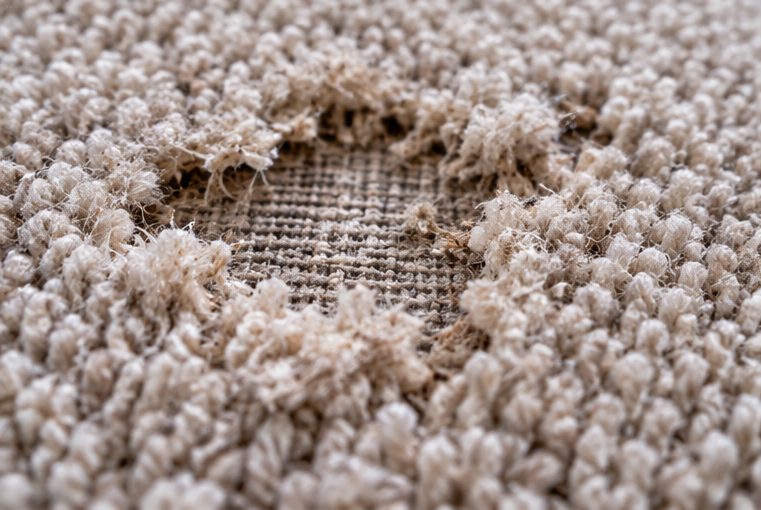
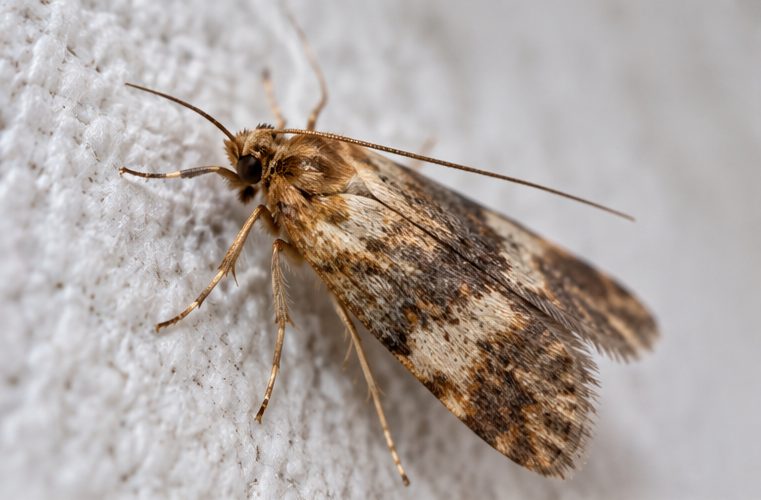
Being straight about it: treatment brings the numbers down in the rooms and outbuildings it is applied to. It does not turn a garage into a sealed box, it will not stop a spider walking in from the garden, and it does nothing about the insect supply that drew them there. Where the reason for so many spiders is another pest in the building, that has to be dealt with too — whether lots of spiders mean another pest and what pest control can do about spiders go into it properly. Moths lifting off a rolled-up rug in the same room are a sign of carpet moths, not of anything the spiders have done.
Before the visit
- List the rooms and outbuildings where webs keep returning, leaving halls and landings out of the count
- Pull stored boxes a little away from the walls and corners so those surfaces can be reached
- Say whether the garage has an internal door into the house, and whether the shed has power to it
- Mention where you have seen false widows, and whether anyone in the house has been bitten
Fewer Webs in a Neasden Garage, Shed or Box Room
Clearing webs and cutting off the insect supply does more across a year than anything else. Reducing spiders around windows and doors has the detail, and Spider Control Brent covers homes across the borough.
- Brush down rafters, shelf corners and the tops of door frames in the garage and shed every few weeks, egg sacs included
- Move stored things out of open cardboard and into lidded crates, which give far fewer anchor points
- Fit a brush strip under the garage door and fill the gaps round the frame of a side door
- Leave the outside light by the back door off when it is not needed, or fit a warmer-coloured bulb that draws fewer insects
- Cut back shrubs and climbers that touch the window frames, the shed wall and the garage