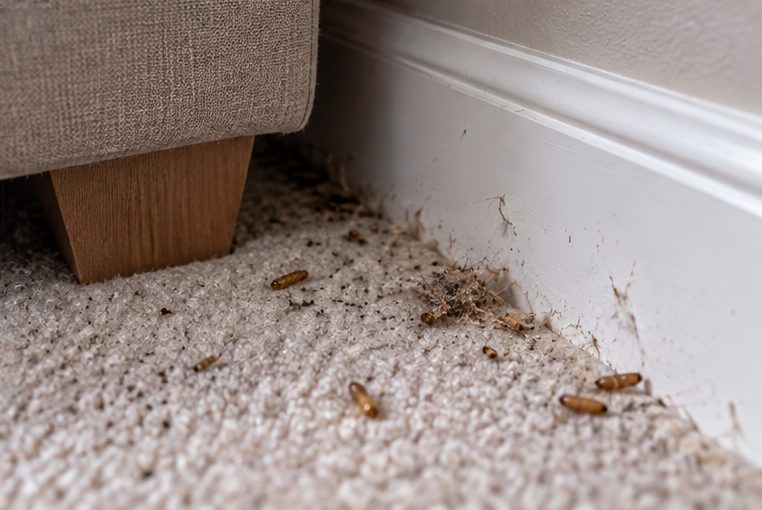

The Room You See Moths In Is Rarely the Room to Treat
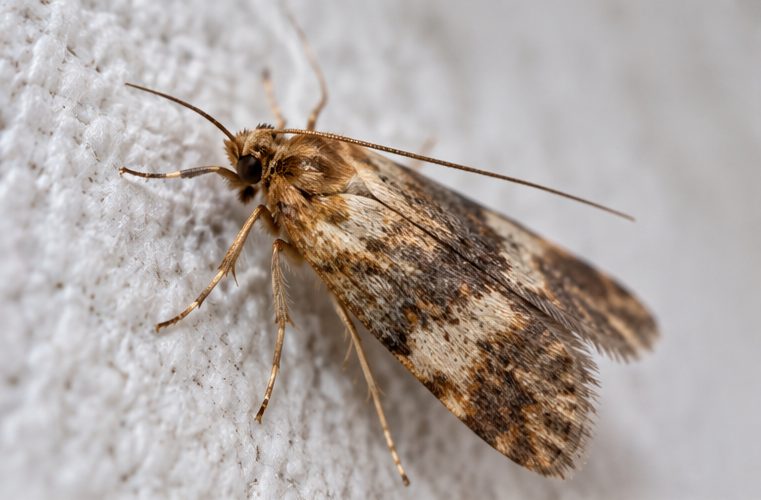
Adults fly badly but they do drift, and they end up wherever the light and the warmth are - a landing window, a lampshade in the sitting room, the glass of a bathroom door. None of that tells you anything about where the eggs were laid. Larvae, by contrast, stay where they hatch and eat what is underneath them, so the damage is fixed in place and is the only honest map you have. Follow the damage, not the moths.
That distinction also explains a pattern that confuses people in a large house: moths appearing in a bright, well-used room whose carpet is immaculate, while the real work is going on two doors away under something heavy. The guide to damage under furniture sets out why the quiet floor goes first.
A Room-by-Room Method That Takes an Afternoon
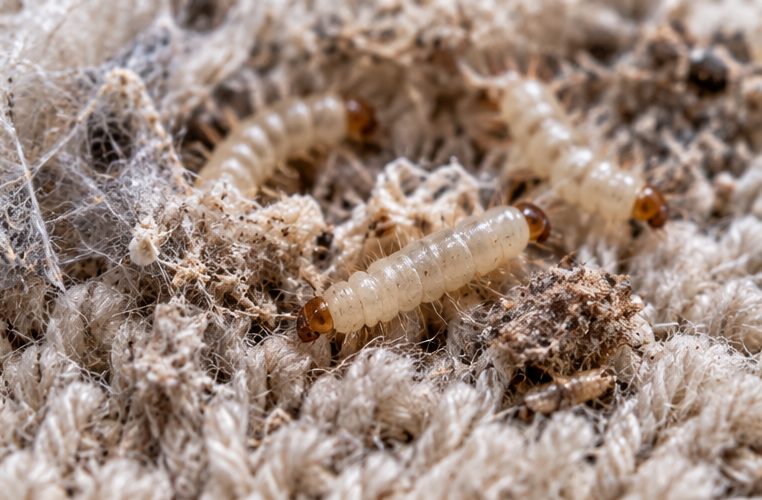
Write down every room with wool or a wool mix in it, including the ones you would rather not empty, and go through the list in order rather than wandering about. Do it in daylight with a torch as well, held low so the beam rakes across the pile instead of shining down onto it; raking light shows a thin patch that overhead light hides completely. Give each room a mark on the list - nothing, suspicious, or definite - and resist fixing anything until the whole sweep is finished, because the last room is quite often the worst.
What to move and lift in each room
- Slide a wardrobe or a bookcase forward far enough to see the strip of floor it has been standing on
- Take the drawers out of a divan base and look at the carpet the base has been sitting on
- Turn a rug back from one corner a metre at a time and read the underside before you look at the floor
- Run a fingertip along the gripper in the angle between carpet and skirting, and behind the radiator brackets
- Open the eaves cupboard behind a loft-conversion knee wall and pull the stored boxes and bags right out
- Look inside the wardrobe at floor level, under the hanging coats, rather than only at the rail
What you are hunting for is silky tubing and loose webbing in the pile, small cream larvae inside it, gritty debris, and pile that comes away in tufts when you rub it. The larvae guide shows them at the right scale, the signs guide covers the rest of the evidence, and the guide to where they hide is worth reading before the sweep rather than after it.
When Nearly Every Room Has Wool In It
A house full of natural fibres does not mean a house full of larvae, and treating every carpeted room as a precaution is rarely money well spent. Book the rooms where you found something, plus any room that opens directly off the worst of them, and leave the rest under observation for a few weeks. If you genuinely cannot decide about a room, say so when you book and we will look at it while we are in the house. Holes in stored jumpers and a thinning carpet are usually the same family at work, so a wardrobe belongs to the room it stands in rather than being counted on its own, and the comparison of the two names explains why the job is the same either way.
What a Treatment Does to a Rug, and What It Does Not
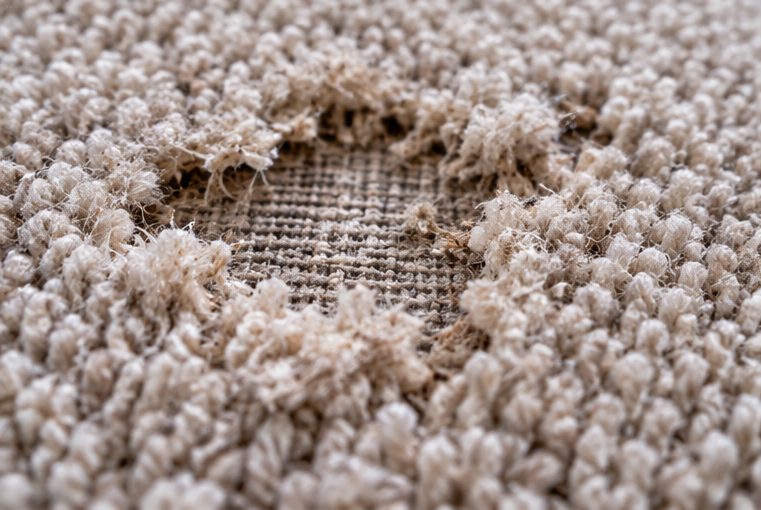
Pest control deals with the insects. It is not a clean, it is not a repair, and it will not bring back pile that has already gone: a bald patch stays bald and a rug that has lost its edge stays lost. Tell us about anything hand-knotted, antique or sentimental when you book so it is handled with that in mind, and take questions about washing, reweaving or restoring to a specialist rug cleaner afterwards, not before - there is little point restoring a piece while the larvae are still in the floor beneath it.
Two things people do with a worrying rug make matters worse. Rolling it up and standing it in a cupboard or the loft gives the larvae darkness and quiet and takes the problem to a new part of the house. Carrying it into another room does the same on a smaller scale. Leave it where it is until we have been, or move it outside for daylight and a good look. The guide to damage beyond carpet covers upholstery, felt and stored textiles, and the wider question of protecting the wool in a house like this is set out on Pest Control Dollis Hill.
Preparing the Rooms and Booking Them
Give us the room list, say for each one whether it is fitted wool, a wool mix, rugs on boards or a wardrobe of stored clothes, and mention any valuable textile. Before the visit, clear the floors as far as you reasonably can, move what you are able to move so the perimeters are reachable, vacuum the edges with a narrow tool and empty the machine outside into a sealed bag. Wash or dry-clean affected wool as warmly as its label allows and keep it bagged until we have been. The preparation guide describes what that looks like in practice.
Afterwards, and the Next Twelve Months
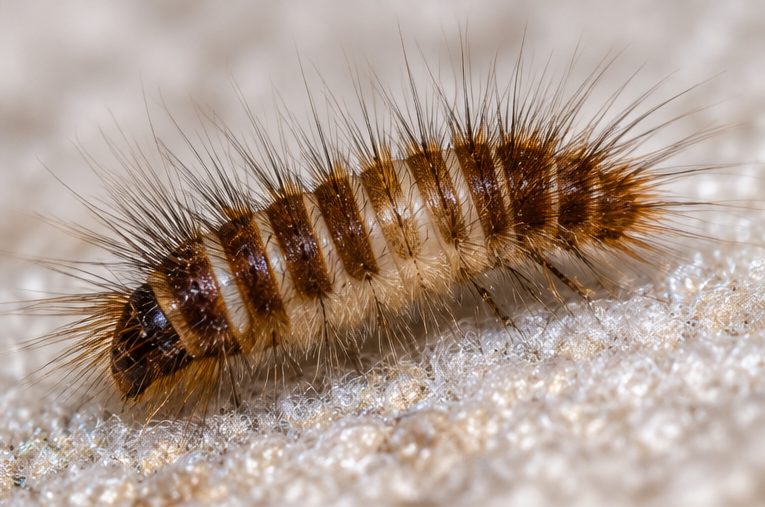
Expect the occasional adult for a while and keep vacuuming the edges; how long things take to settle depends on how much was affected, which the timescale guide explains. Fresh webbing or a new thin patch once that period has passed is a reason to ring rather than to wait. Longer term, the useful habit is disturbance: shift the heavy furniture a few inches twice a year so no strip of wool spends twelve months in the dark, and treat pheromone traps as a way of watching numbers rather than reducing them, since they only catch males. The prevention guide goes further, Carpet Moth Control Brent covers the borough, and the Brent carpet moth advice is a wider read. Bristly brown larvae and empty skins instead of webbing mean carpet beetles in Dollis Hill, while marks on skin rather than holes in wool point at fleas or something else biting. Period houses in neighbouring Cricklewood hold the same carpets.