
What a Kensal Green Front Path Offers a Colony

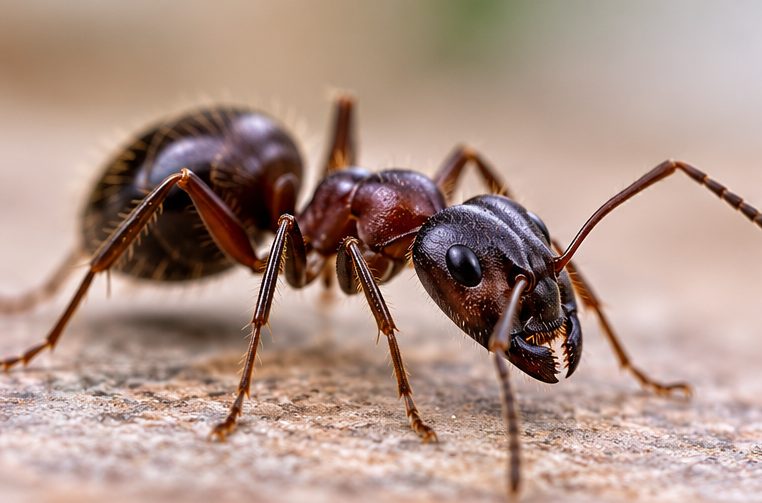
Black garden ants want ground they can tunnel through that drains freely and warms up quickly, and they are not fussy about how old it is. The sand bed beneath an encaustic path, the loose material under a low front wall, the strip of dry earth between the path edge and the bay, and the crumbling mortar at the base of the steps all qualify. A colony can hold the same position for years, which is why the trail arrives at the same door every summer instead of wandering. Fine granular soil pushed up in small heaps between tiles or slabs in June is the giveaway. Where ants nest around houses has the wider list, and how to find an ant nest shows what to watch for without lifting anything.
The thresholds ants actually cross
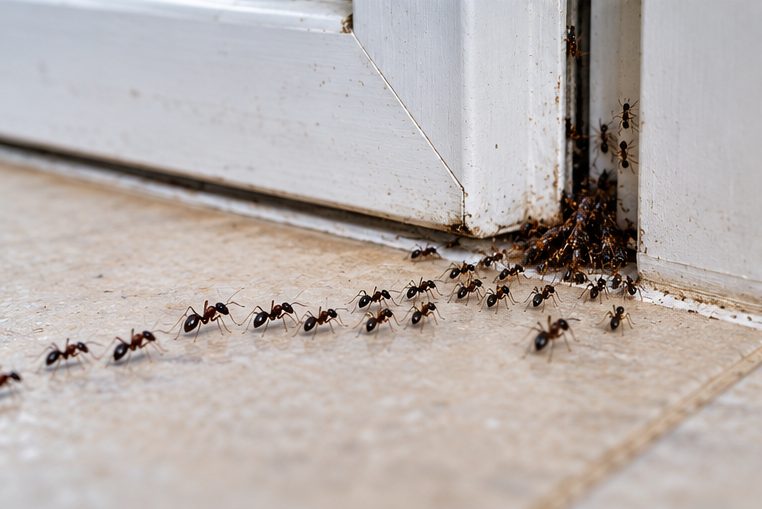
Ants almost never come in at head height. Look at the worn stone or tiled doorstep, the gap under a front door that has dropped a little, the hole where a waste pipe or a boiler condensate pipe leaves the wall, an air brick at floor level and the joint where the path butts up against the brickwork. Follow the line indoors to the point it vanishes into a skirting, then go out and look at exactly that spot from the other side; the answer is usually within a foot of it. Why ants keep coming into the kitchen explains what draws them the last few feet.
Back Yards, Rear Walls and the Alley Behind
The back of these houses is a small yard or garden with brick walls on three sides and often an alley beyond, and the same materials repeat there: paving on sand, a path down one side, bare earth at the foot of a wall, a step down from the back addition. Old brick walls are ideal, because soft mortar joints give a colony a dry, sheltered run right up to the level of the ground floor. A trail that climbs a rear wall and stops at a first-floor window is not lost — it is heading for a kitchen that happens to be upstairs. Where the yard is shared between flats, note where the ants surface rather than lifting paving yourself, and mention it when you call.
Kitchens Fitted Into the Back Rooms of Converted Flats
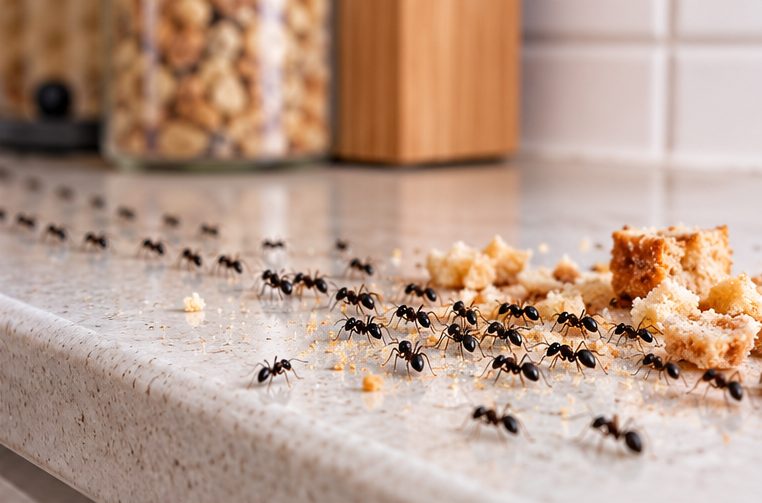
When a terrace is divided up, the kitchens usually end up in what were back rooms or in the back addition, with pipework and cables boxed in behind the units and a good deal of warmth trapped in a small space. A ground-floor kitchen there is a few feet from soil on two sides. Crumbs behind an appliance, a wet cloth left overnight and a bin under the sink finish the job. Ants in a kitchen on an upper floor are worth a closer look, because they may be following a warm pipe run inside the building rather than walking in at a door; can ants nest inside walls? covers when that happens and when it does not.
Very small pale ants, at any time of year
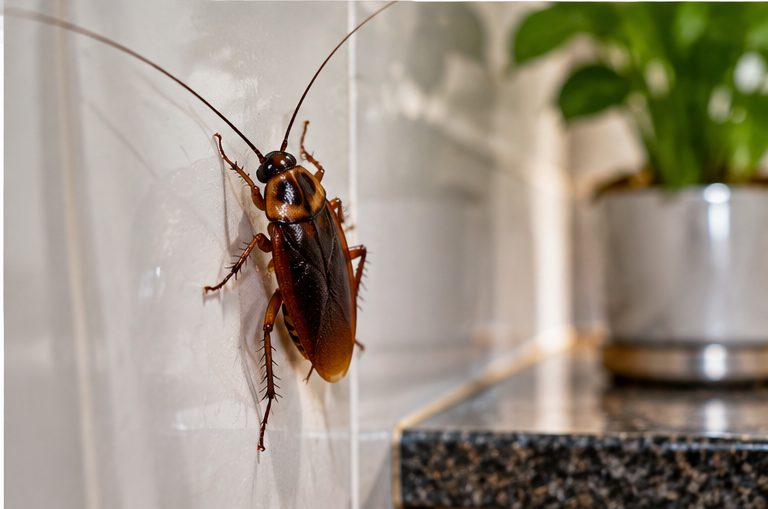
Ants barely two millimetres long, pale yellowish and faint enough to be mistaken for moving dust, are a different insect with different habits. Pharaoh ants nest inside heated buildings near hot pipes and behind units, pay no attention to the seasons and run several queens at once, so an aerosol that kills the workers on a worktop can prompt the colony to split and set up in new places. Put shop-bought products away, leave the trail where it is so it can be followed, and read Pharaoh ants vs garden ants before doing anything. Ask the flats above and below whether they have seen the same thing, since one colony can feed trails into several. Small brown insects that scatter from behind the kickboard when the light goes on are more likely cockroaches than ants.
The Two or Three Days a Summer When Ants Fly
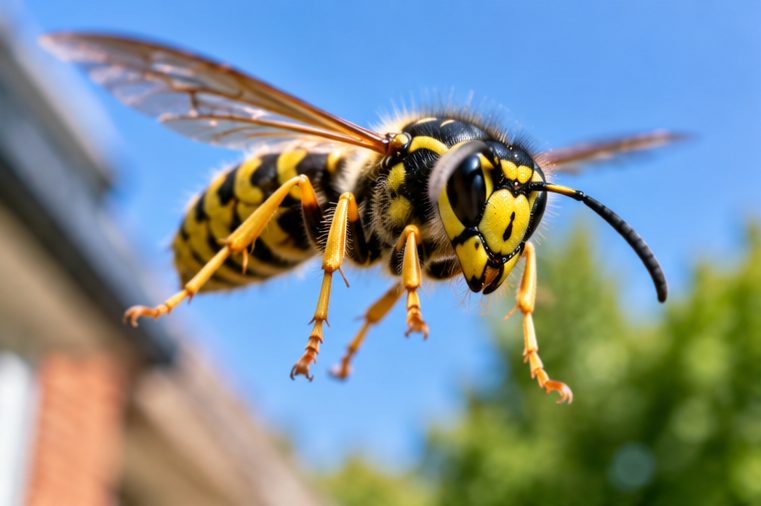
On a few close, humid afternoons in July or August, every colony in a street sends winged queens and males up together, and a front garden laid mostly to tile and paving can look as though it is steaming. Outdoors it is over in a day or so and needs nothing but a closed front door, and it does at least tell you precisely which joint the nest is under. Winged ants coming up inside the house — through a gap in the floorboards, from behind a skirting or around a hearth — mean the nest is under the building rather than out by the path, and that is worth saying when you book. Why flying ants suddenly appear indoors explains the flight itself. Insects using one fixed opening on the roofline steadily for weeks are not ants but a wasp nest.
Booking Ant Control in Kensal Green
- Say whether the address is a house or a flat, and which floor the kitchen is on
- Describe the ants: black and several millimetres long, or tiny, pale and hard to see at all
- Show us where the trail crosses into the room, and where it goes once it is outside
- Stop spraying the trail, since it needs to stay findable; warm soapy water on the worktop is enough
- Keep sugar, cereal and pet food in sealed tubs, and lift pet bowls off the floor overnight
Ants can still be about for a while after a visit, and how long that lasts depends on the species and how far the colony runs under the path or the yard; how long ant treatment takes goes into what affects it. If the trail is as heavy a while later, ring back and describe where it runs now. When an ant problem needs treatment is useful if you are still weighing up whether to book at all.
Keeping the Trail Out of a Kensal Green Kitchen
Once the colony has been dealt with, everything useful happens at ground level around the doors and the path. How to stop ants entering your home covers more of it, why ants come back after DIY treatment explains the usual disappointment, and Ant Control Brent covers the rest of the borough, including neighbouring Harlesden.
- Re-point the joint where the tiled path or the yard paving meets the house wall, and fill the gap under a dropped front door
- Brush kiln-dried sand into open joints in the path each spring, and have a rocking tile or slab bedded properly
- Seal around waste and condensate pipes where they pass through a kitchen or bathroom wall
- Keep the bin lids down, sweep the front recess where they stand, and rinse recycling before it goes out
- Leave a hand's width between the house wall and stacked pots, bags of compost or a bike cover in the yard