
Living Over a Parade of Shops

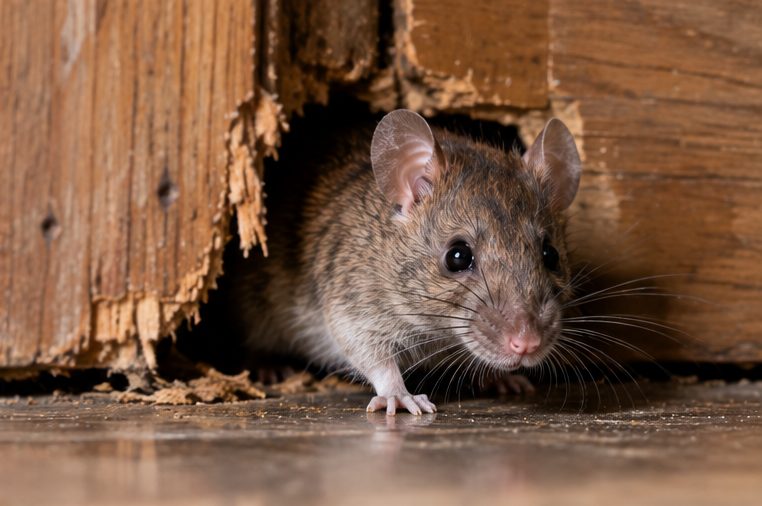
A ground floor given over to food changes the building above it. Warmth rises, deliveries come and go, and the waste goes out on a rhythm nobody upstairs controls. Between the shop's ceiling and your floor there is usually a void with pipework and old wiring in it that no one has opened in years. Mice found in a first-floor kitchen very often came up through that space rather than through anything on your own landing.
The street door and the stair
The door from the pavement is the part of the building everybody uses and nobody owns. It is propped on delivery days, it rarely swings shut on its own, and the threshold beneath it wears down faster than any other in the building. Behind it is a stair with post on the mat, meters in a cupboard on a half-landing, and bicycles and boxes on the way up. That is shelter and a route to every front door above.
What is yours and what belongs to the business
A booking made for a flat covers that flat. A shop, café or takeaway is a commercial address, quoted per site, and its owner has to arrange that themselves. The stair, the street door and the roof are normally the freeholder's or managing agent's, so put what you have found in writing to them, and to your landlord as well if you rent. Treating one flat while the floor below and the stair are left alone usually just moves the problem about.
Kitchens Fitted Into Back Rooms
Away from the main roads the terraces have been divided into flats, and the kitchen in those flats is usually somewhere that was never meant to be one: a back bedroom, or the ground-floor room of the back addition. Water and waste had to reach it afterwards, so pipes were dropped through floors, chased into walls and boxed into a corner. Every one of those openings is wider than the pipe running through it, and the units then stand against the warm, quiet wall.
The Service Runs Between Flats
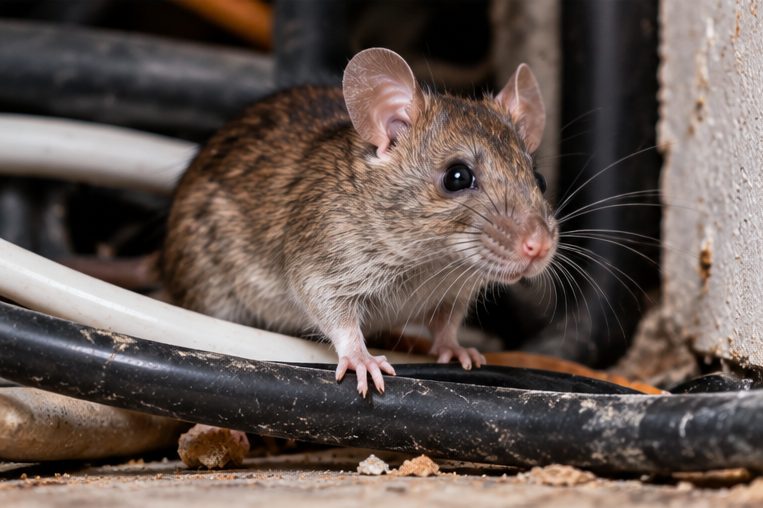
What lets a mouse move around a building like this is nearly always vertical. The soil stack and its branches, the heating pipes taken up to the flat above, cable runs added one at a time for each new tenancy, an extract duct climbing the back wall, and the boxing around them that stops short of the floor or the ceiling. Whether mice travel between flats explains why two neighbours often start hearing the same thing within a fortnight of each other, and where mice nest covers the places those runs lead to.
Where to Look in a Flat Above the Shops
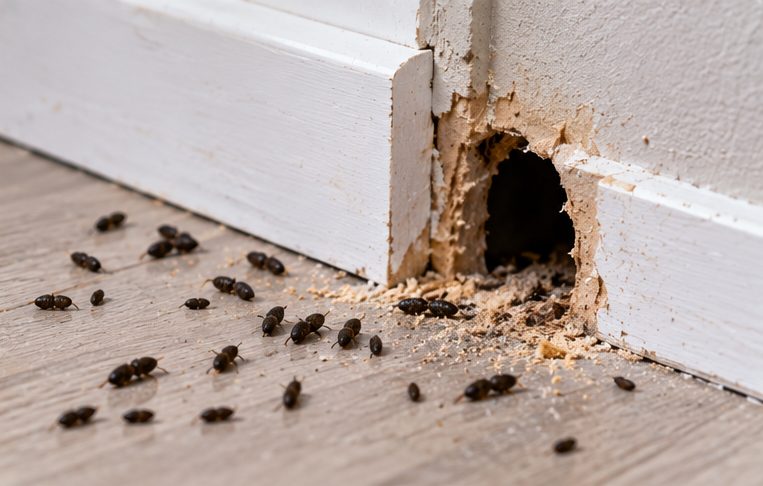
- Droppings along the kickboard at the foot of the units and inside the cupboard under the sink
- Nibbled corners on cereal, rice, flour or dry pet food at the back of a cupboard
- Droppings on the stair carpet, on the mat inside the street door, or in the meter cupboard
- Scratching under the kitchen floor or inside pipe boxing after dark rather than overhead
- A close, musty smell in a cupboard that does not clear when the door is left open
The signs of mice describes each of those properly. Larger, tapered droppings, or digging out in the yard, mean rat control in Kensal Green instead.
Worth Doing This Week
- Move dry food and pet food into tins or hard plastic boxes with a lid that clips down
- Wipe along the front of the units and under the cooker in the evening, when crumbs have collected
- Ask the other flats on the stair whether they are finding droppings, and put it in writing to the agent or landlord
- Leave gaps open for the moment: sealing while mice are active can shut one inside a floor or a ceiling
- Keep poison out of a building like this, where an animal can die in a void above a shop and be unreachable
Around the Visit
When you book
When you book mouse control, say whether it is a flat over a commercial unit, a flat in a converted terrace or a whole house, which floor you are on, and which rooms have signs. Mention what the ground floor is used for, and whether the stair or the meter cupboard has droppings in it too.
Getting ready
Empty the cupboard under the sink and any cupboard where droppings have appeared, and clear the floor in front of the units so the kickboard line can be reached. Make sure the street door can be opened on arrival, since a buzzer that does not work costs time from the visit.
Afterwards
You will hear what was found and what to do next. How long it takes depends on the building and on whether mice are still arriving from elsewhere inside it, which how long mouse treatment takes explains. Come back to us if droppings reappear after a quiet spell.
Stopping Them Coming Back to a Flat Over a Parade
The openings that matter in this kind of building are the ones that go up and down: where pipes and cables pass through a floor, the open end of pipe boxing, the hole left when an old kitchen was moved, and the gap under your own front door onto the stair. Small reachable ones are what rodent proofing in Kensal Green closes, and how to mouse-proof a property covers the rest. Where the shared parts are never dealt with, why mice keep coming back is most of the answer.
For mice across the borough see Mouse Control Brent. Neighbouring Harlesden looks at the same arrangement of flats above shops from the parade's side.